

Standard & approval
EN 682 – Elastomeric seals for gas
EN 682 · Elastomeric seals for pipes and fittings carrying gas
EN 682 sets out the material requirements for elastomeric seals in pipes and fittings carrying gas and hydrocarbon fluids. It is the relevant material standard for seals in gas and gas-carrying lines.
Field
Gas & gas-carrying lines
Subject
Material requirements
Materials
e.g. NBR, HNBR, FKM
Complemented by
EN 549 · DVGW
Overview
EN 682 is the European standard for elastomeric seals in pipes and fittings carrying gas and hydrocarbons. It specifies the mechanical and physical properties a sealing material must meet so that gas and gas-carrying lines stay tight over the long term. For seals in drinking water, EN 681 applies.
Which requirements are tested?
- Hardness and hardness tolerance
- Tensile strength and elongation at break
- Compression set and stress relaxation
- Low-temperature behaviour
- Ozone resistance and behaviour after ageing
- Volume change in test liquids (contact with gas and hydrocarbons)
EN 682 and EN 549
| Standard | Application |
|---|---|
| EN 682 | Seals in pipes and fittings of gas and gas-carrying lines |
| EN 549 | Rubber materials for seals and diaphragms in gas appliances and gas equipment |
In Germany, seals for the gas sector are frequently certified by the DVGW.
Which materials are suitable?
Oil-resistant elastomers are used for gas-carrying lines, such as NBR, HNBR or FKM. EPDM is not suitable for hydrocarbons. The right material depends on the type of gas, temperature and installation.
Which seals does EN 682 cover?
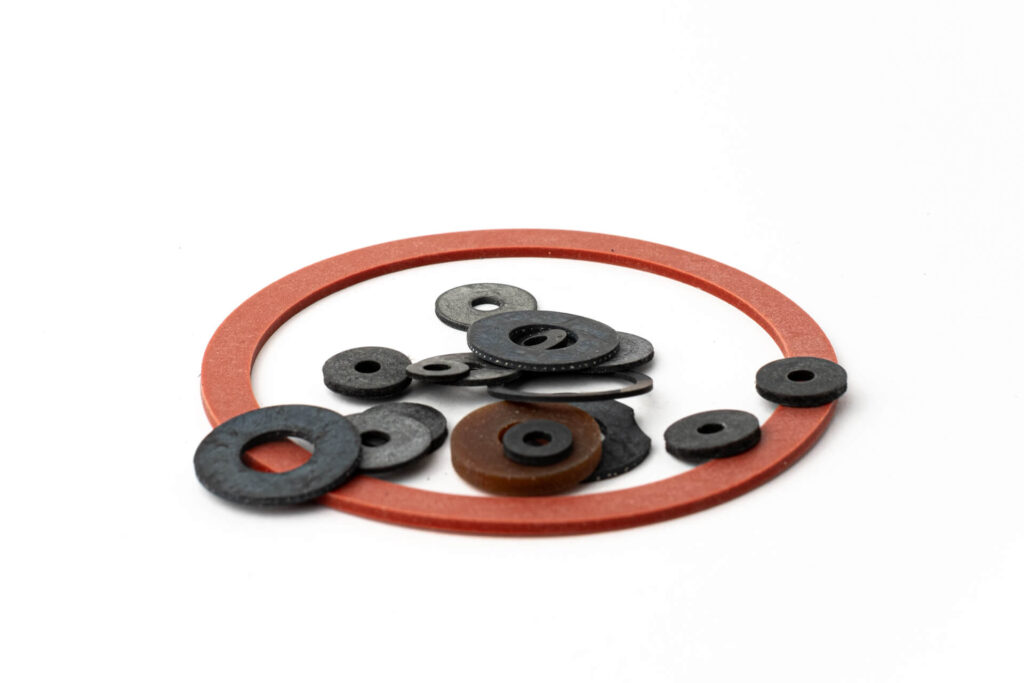
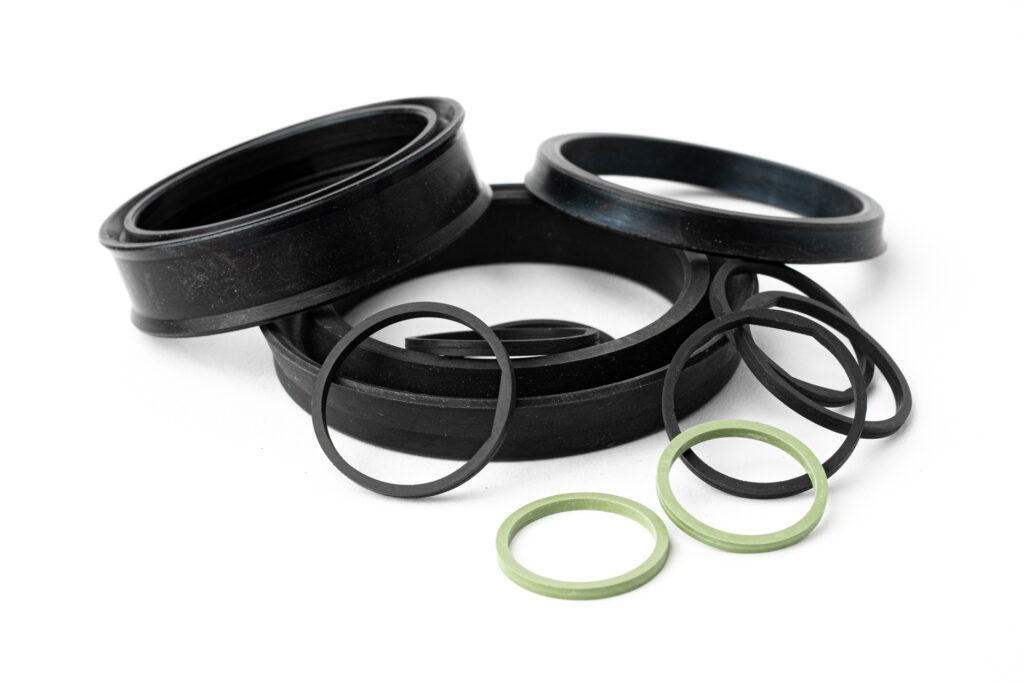
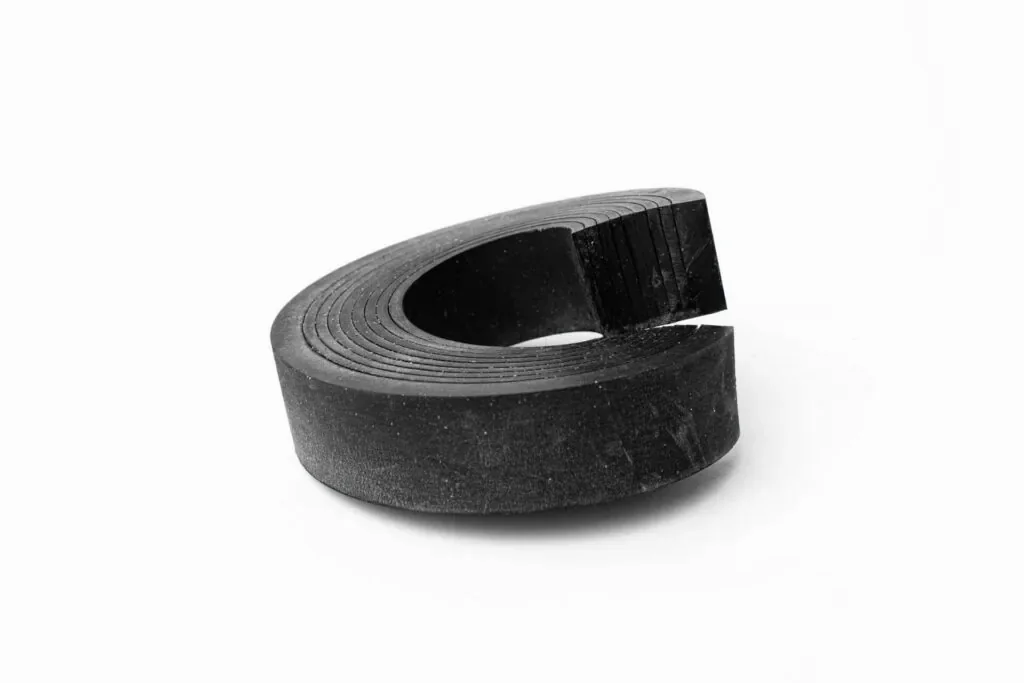
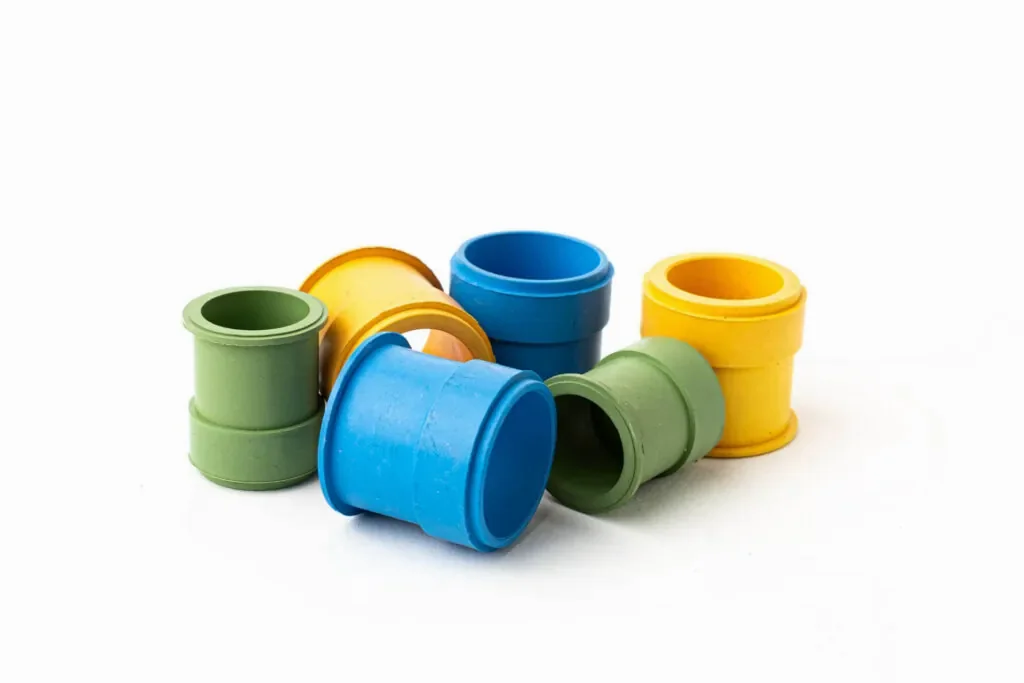
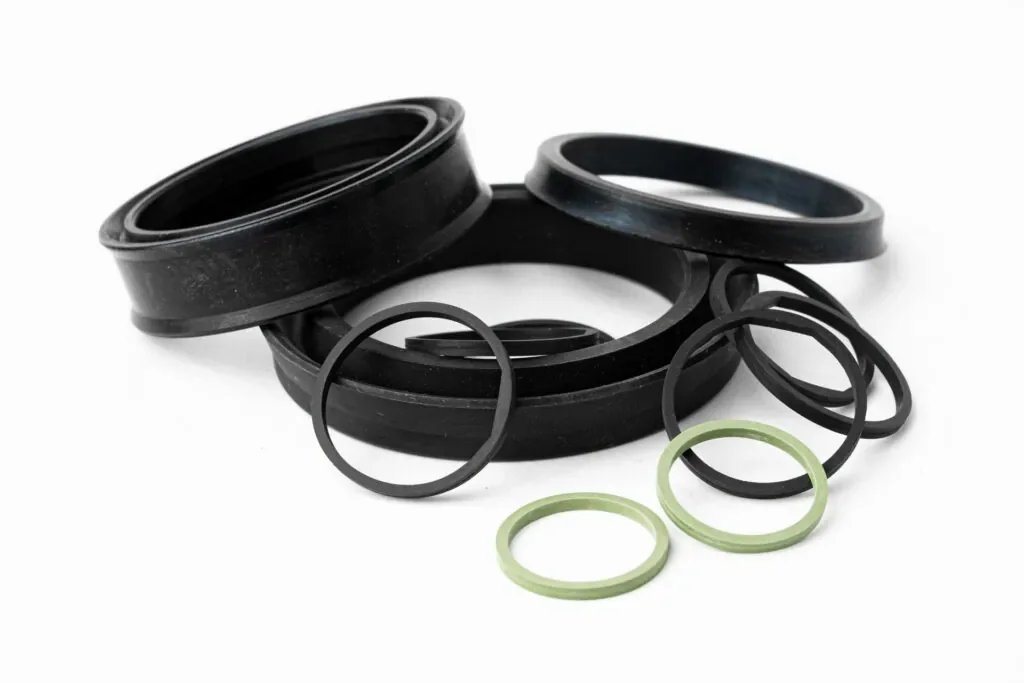
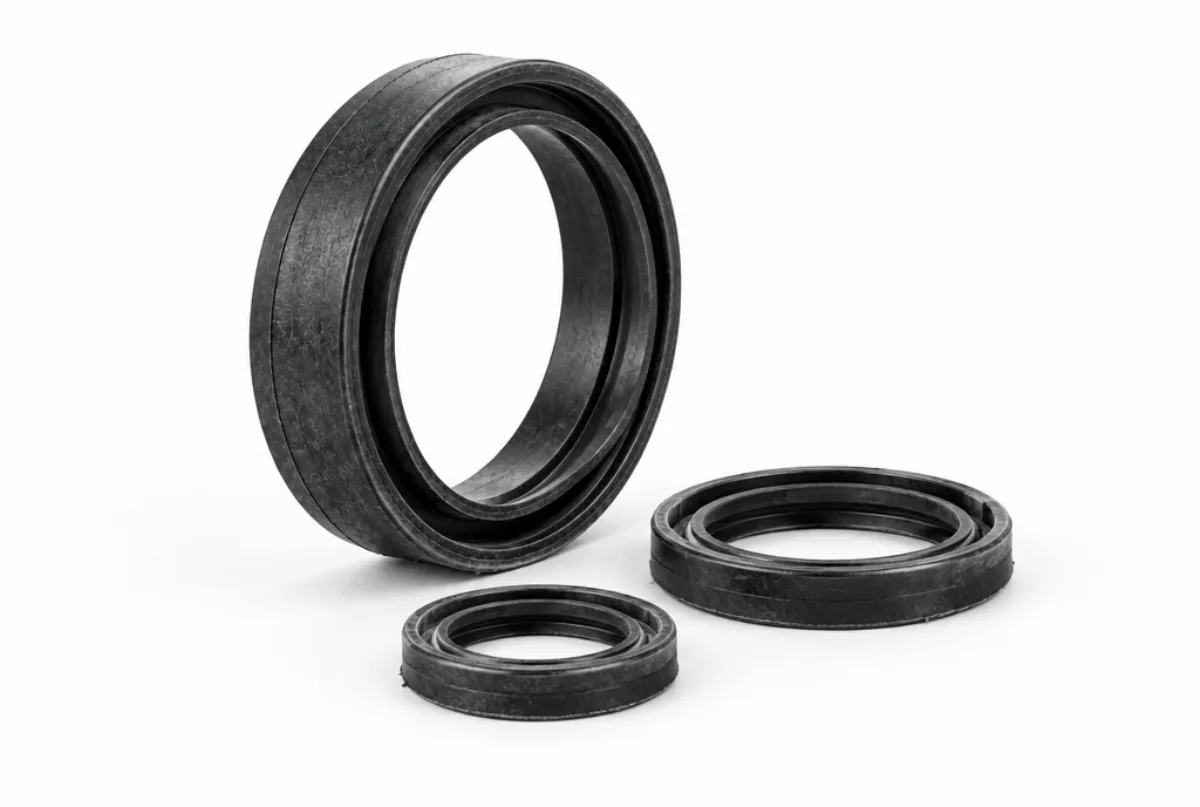
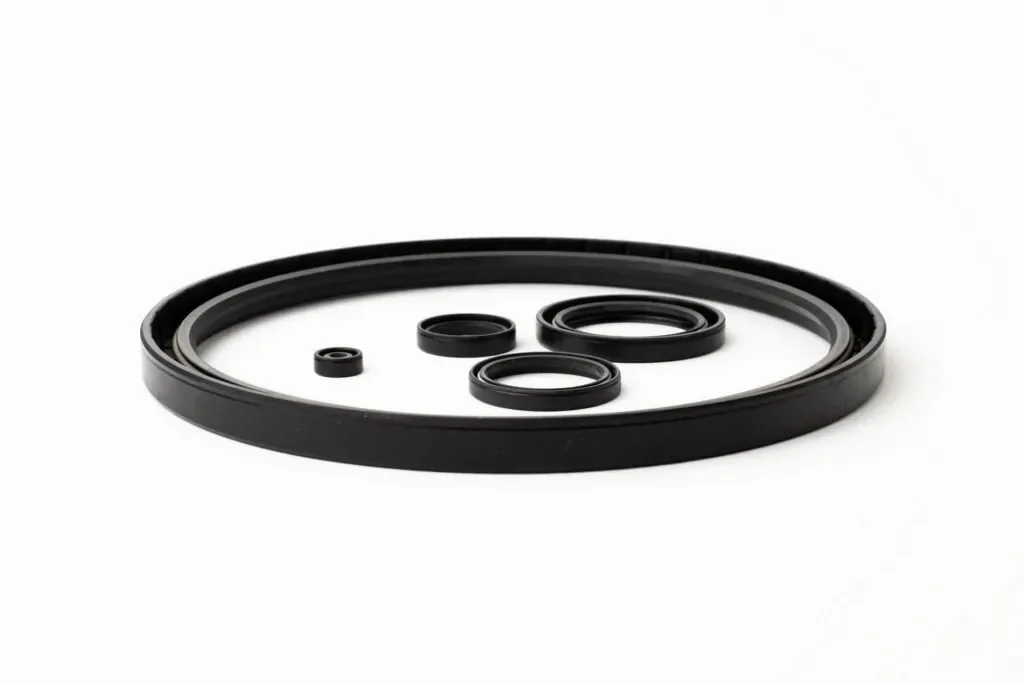
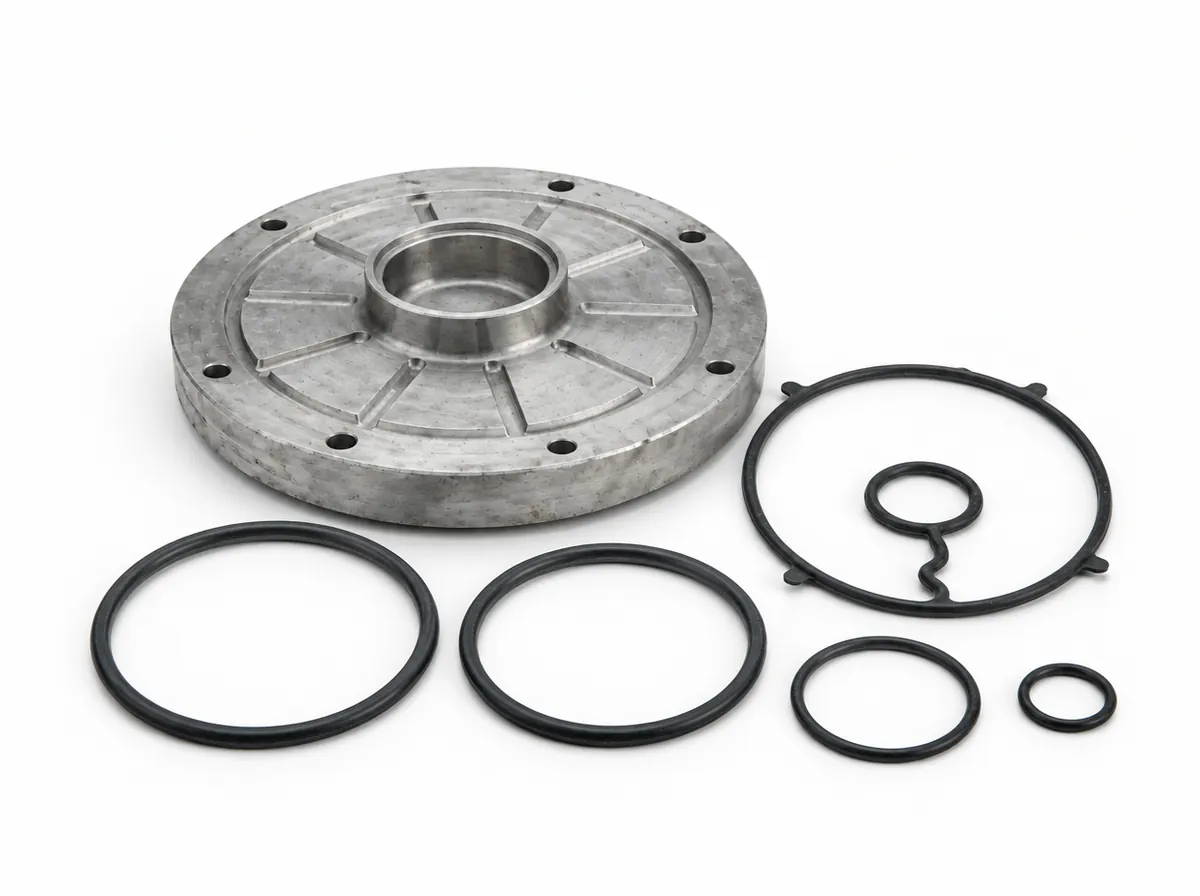
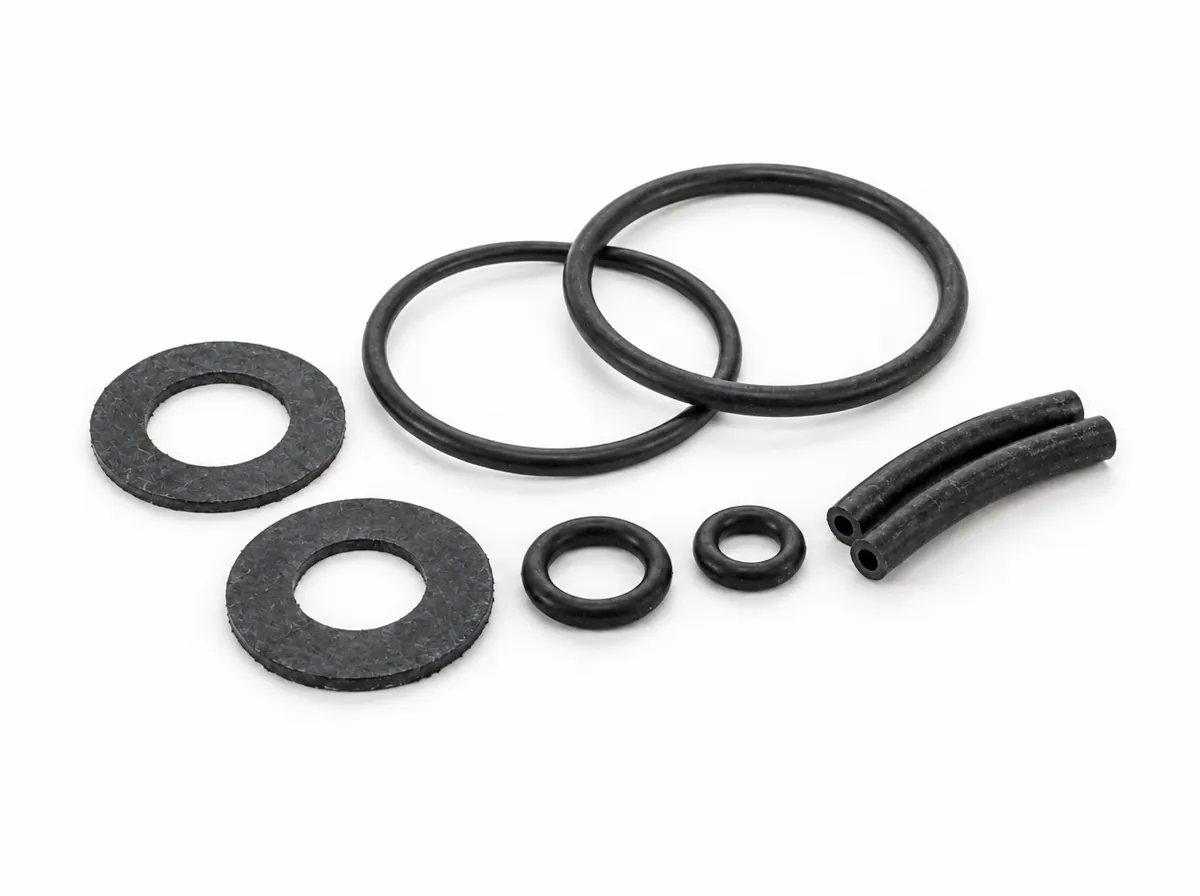
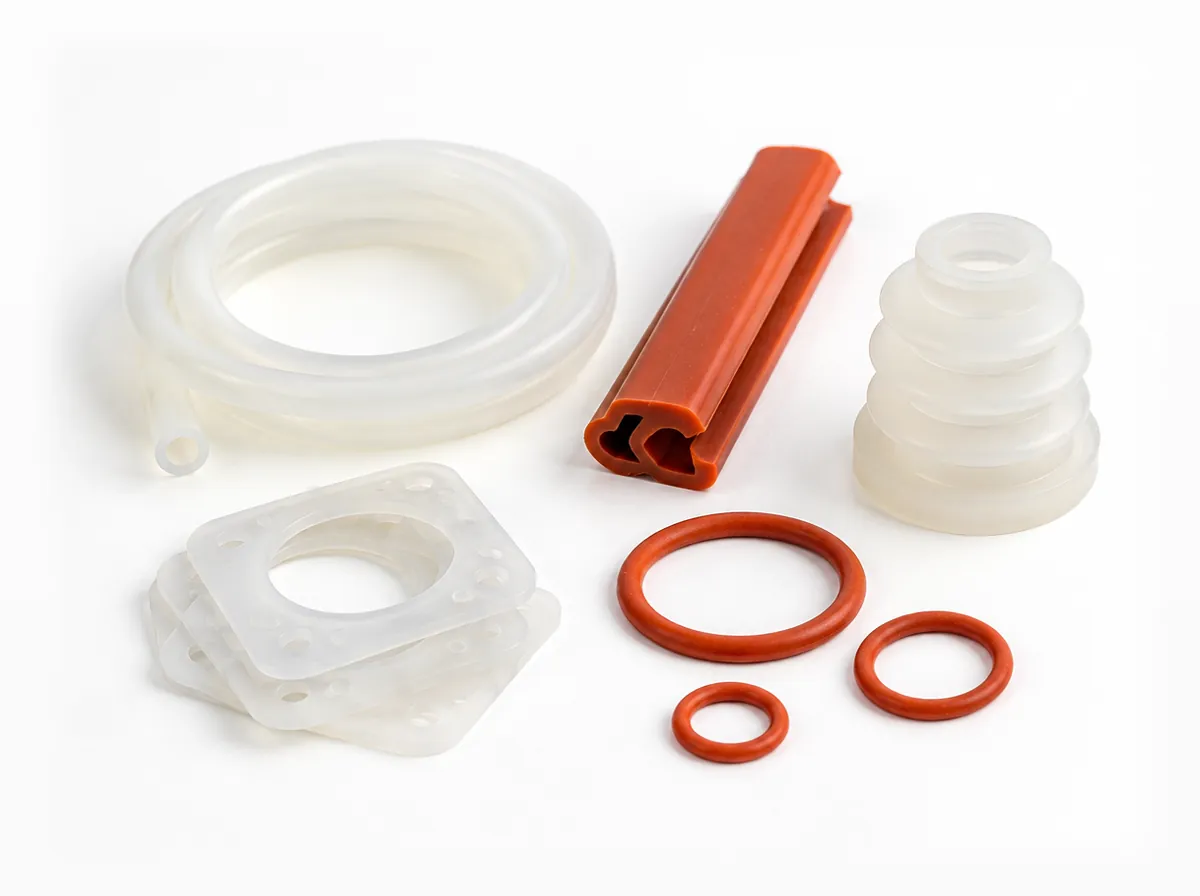
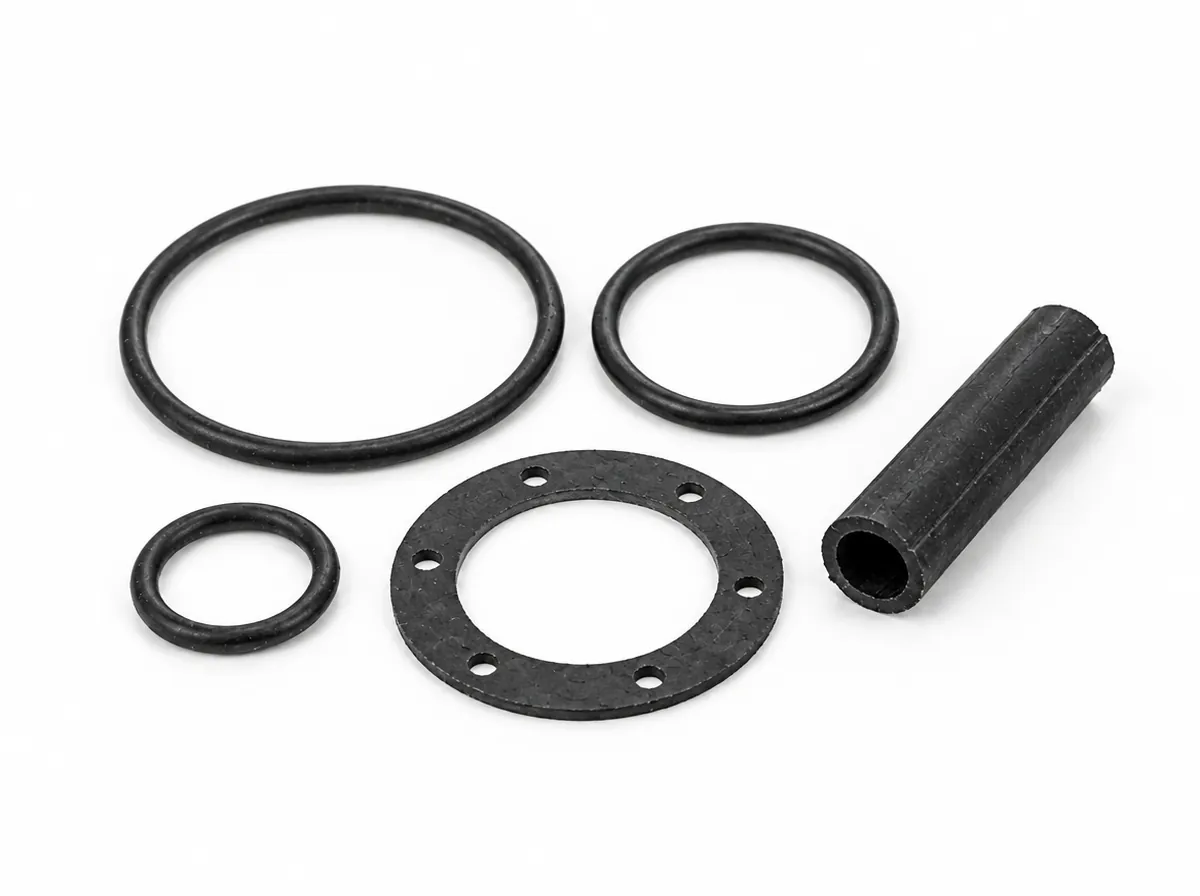
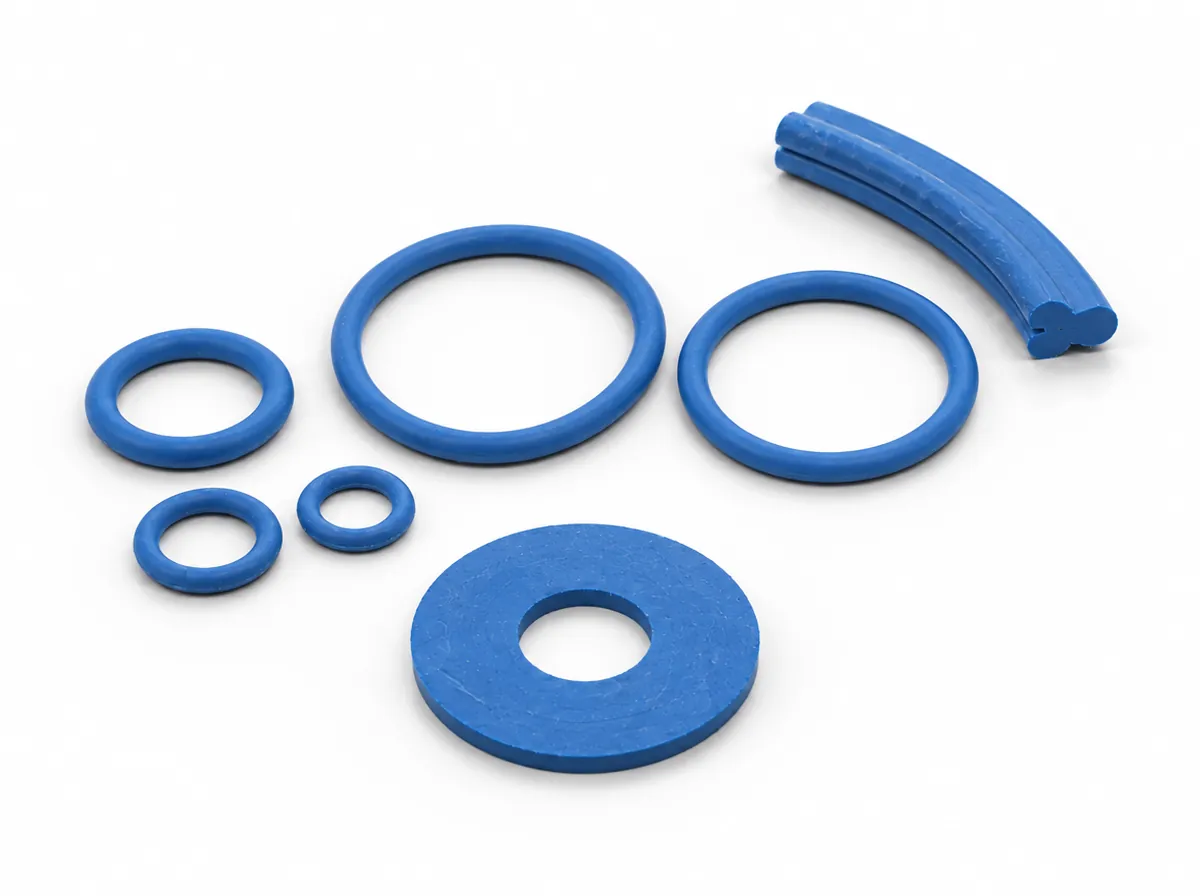
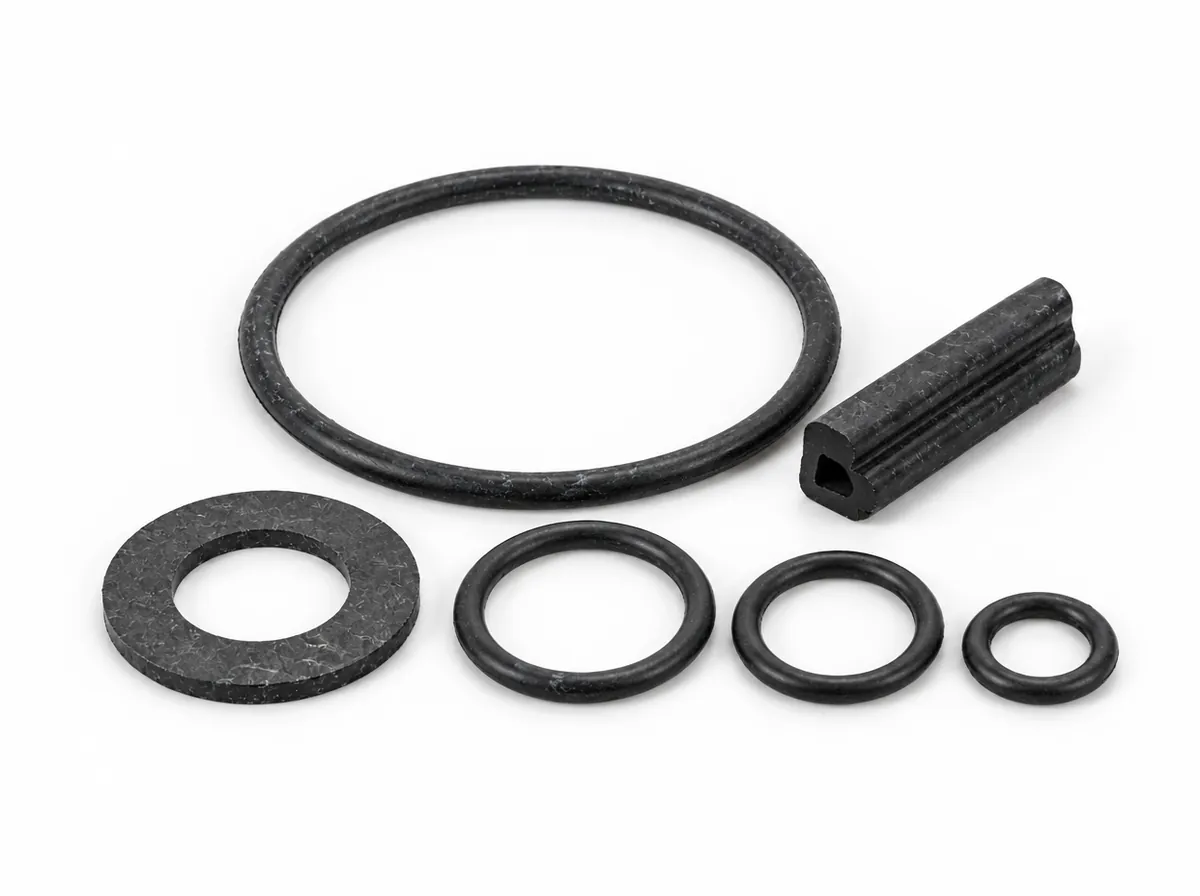
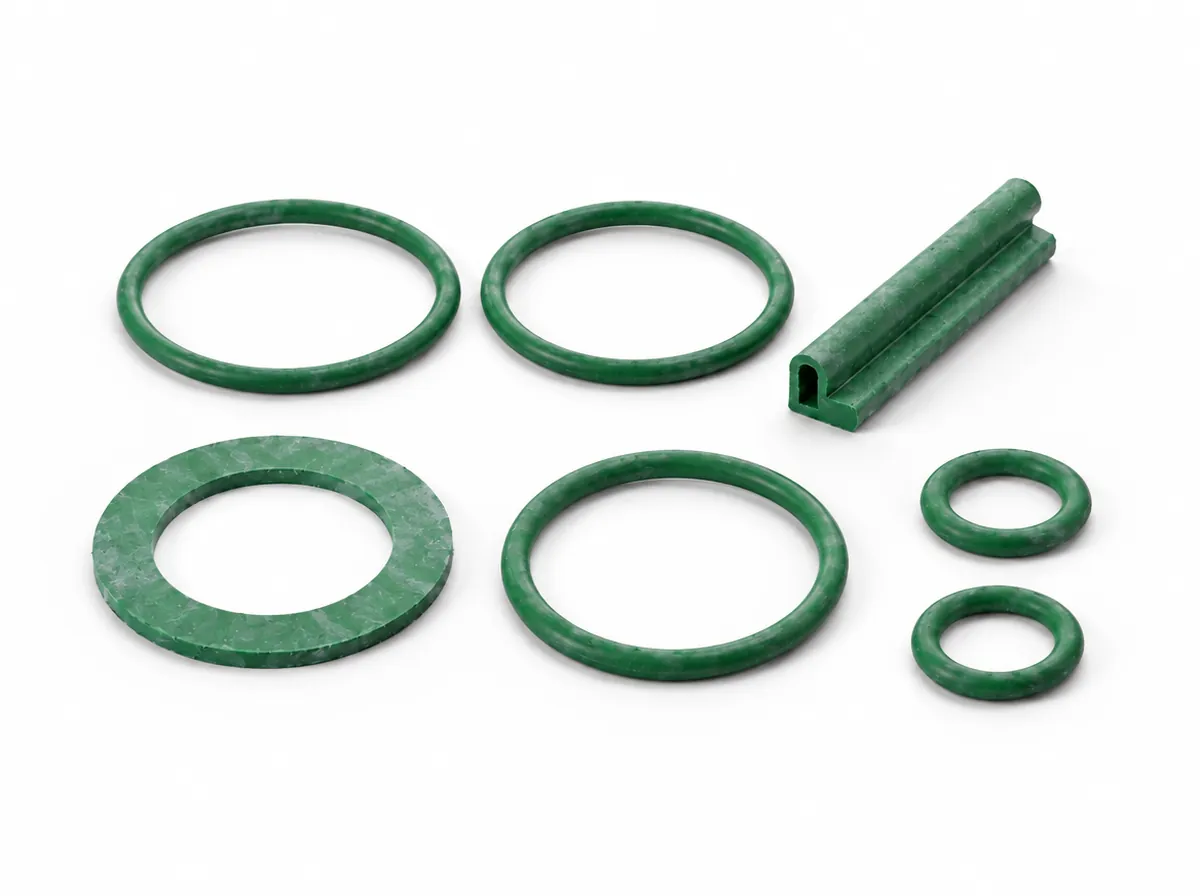
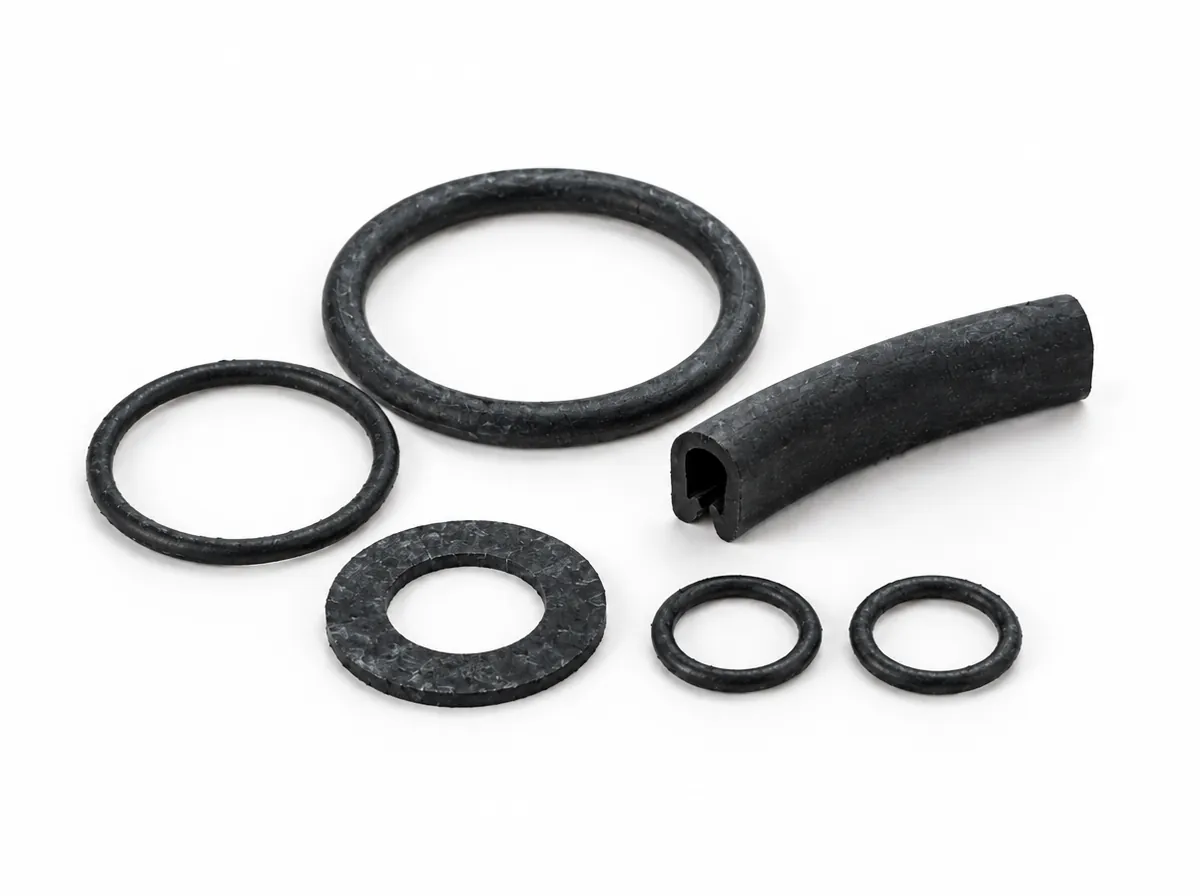
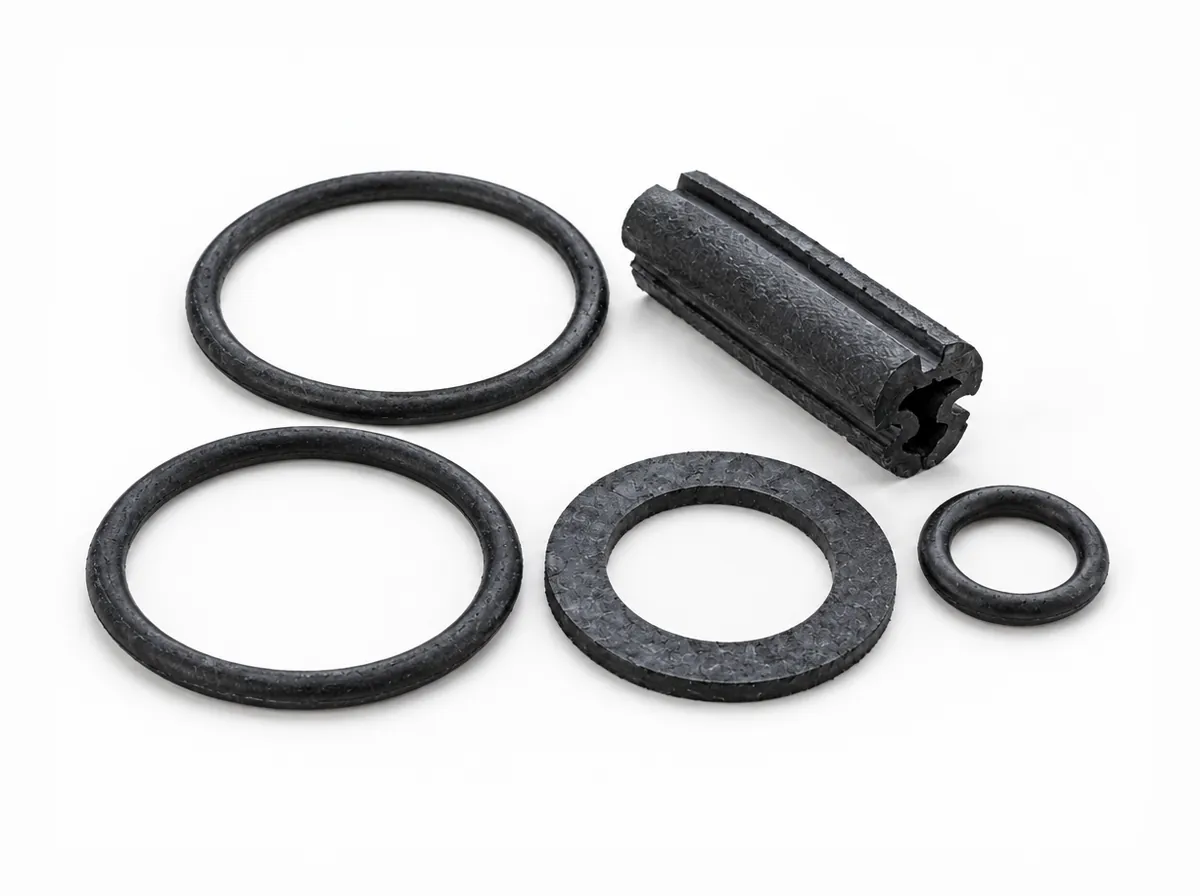
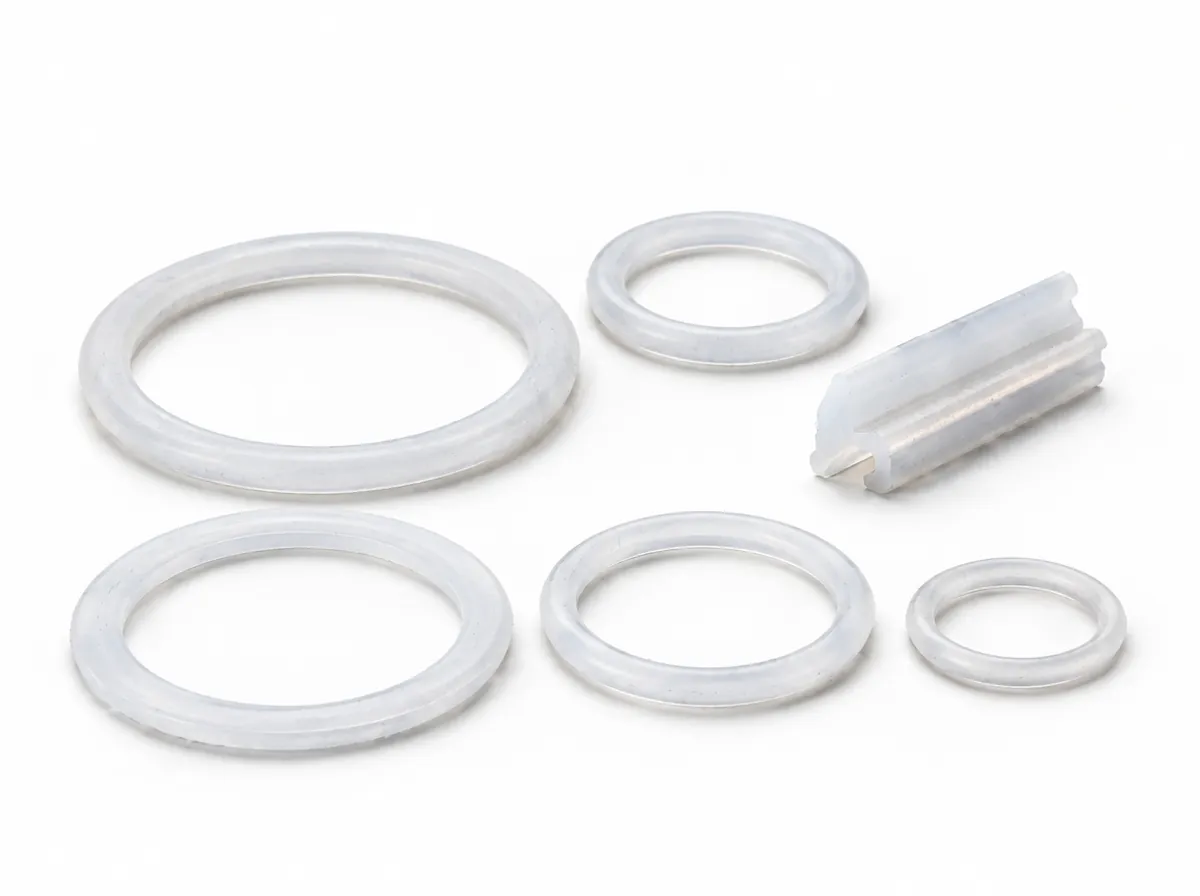
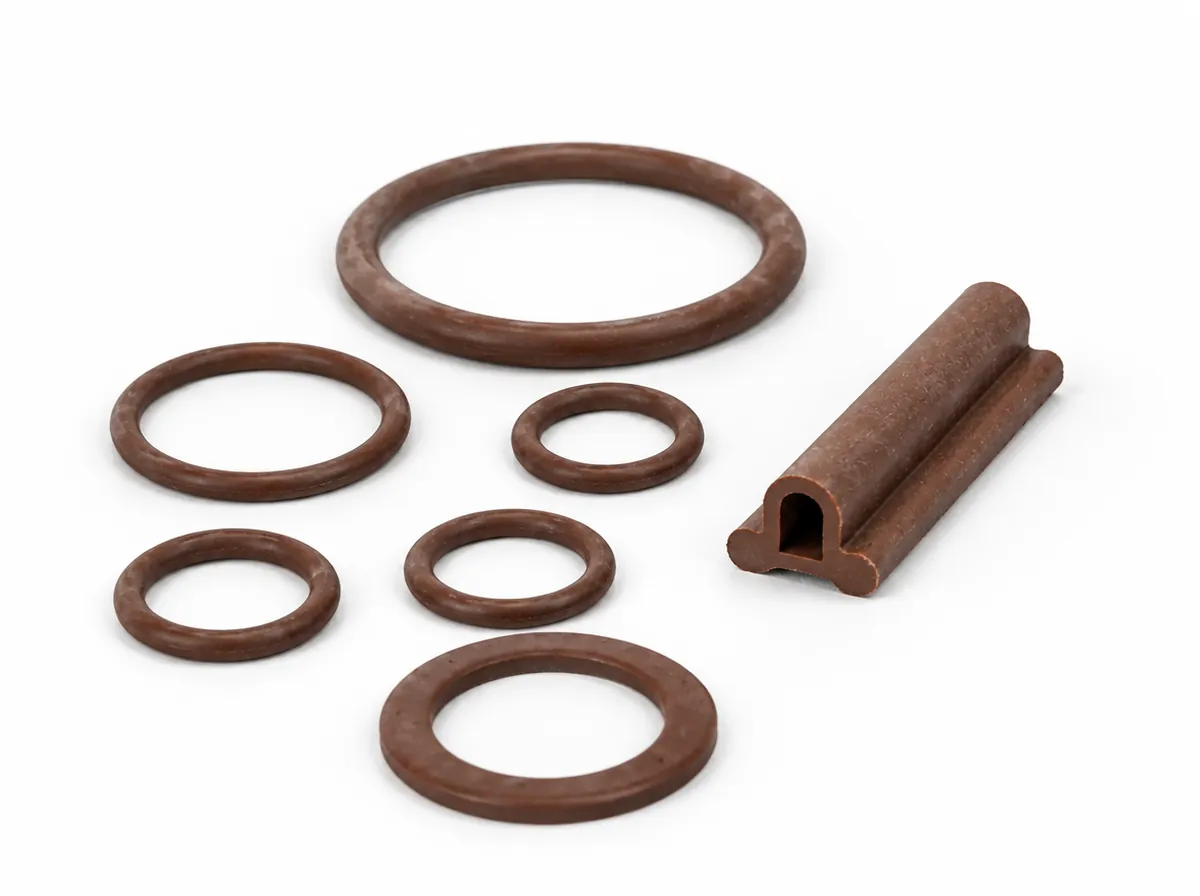
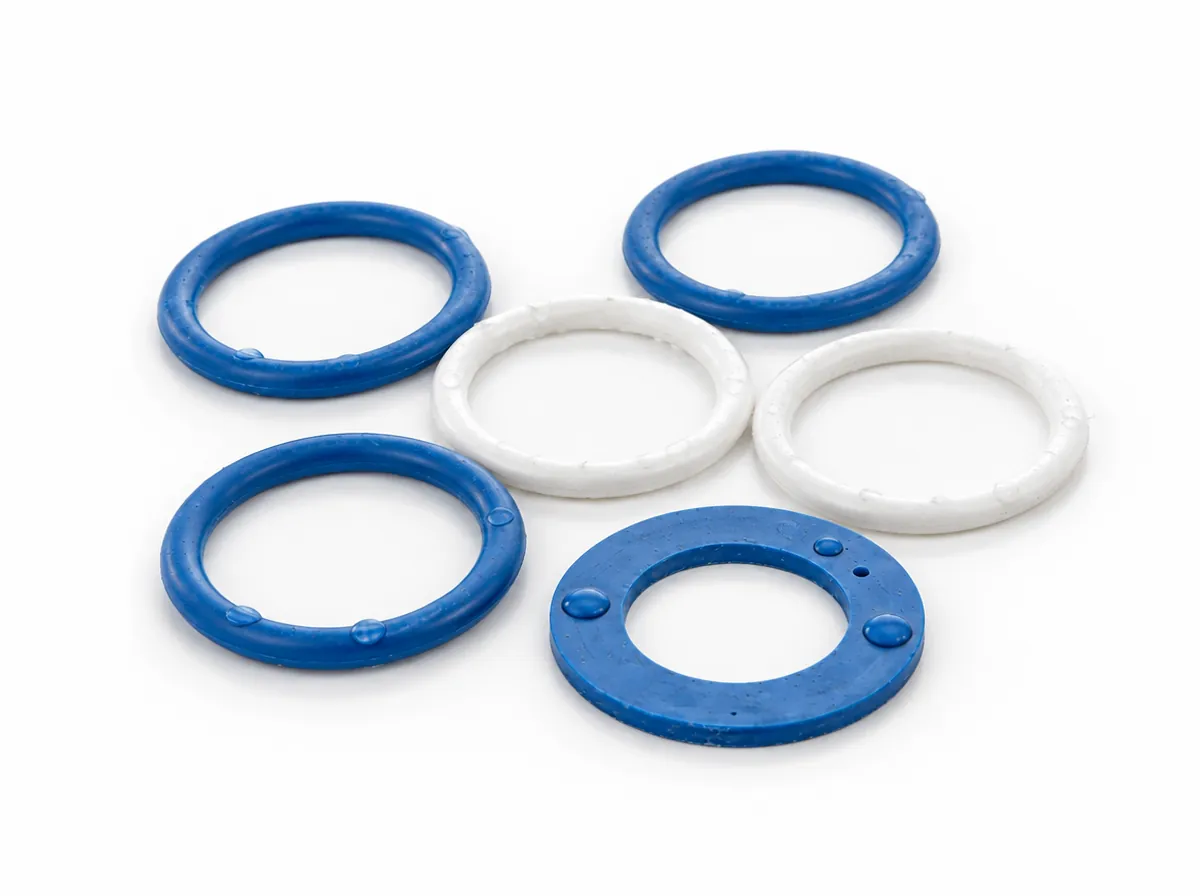
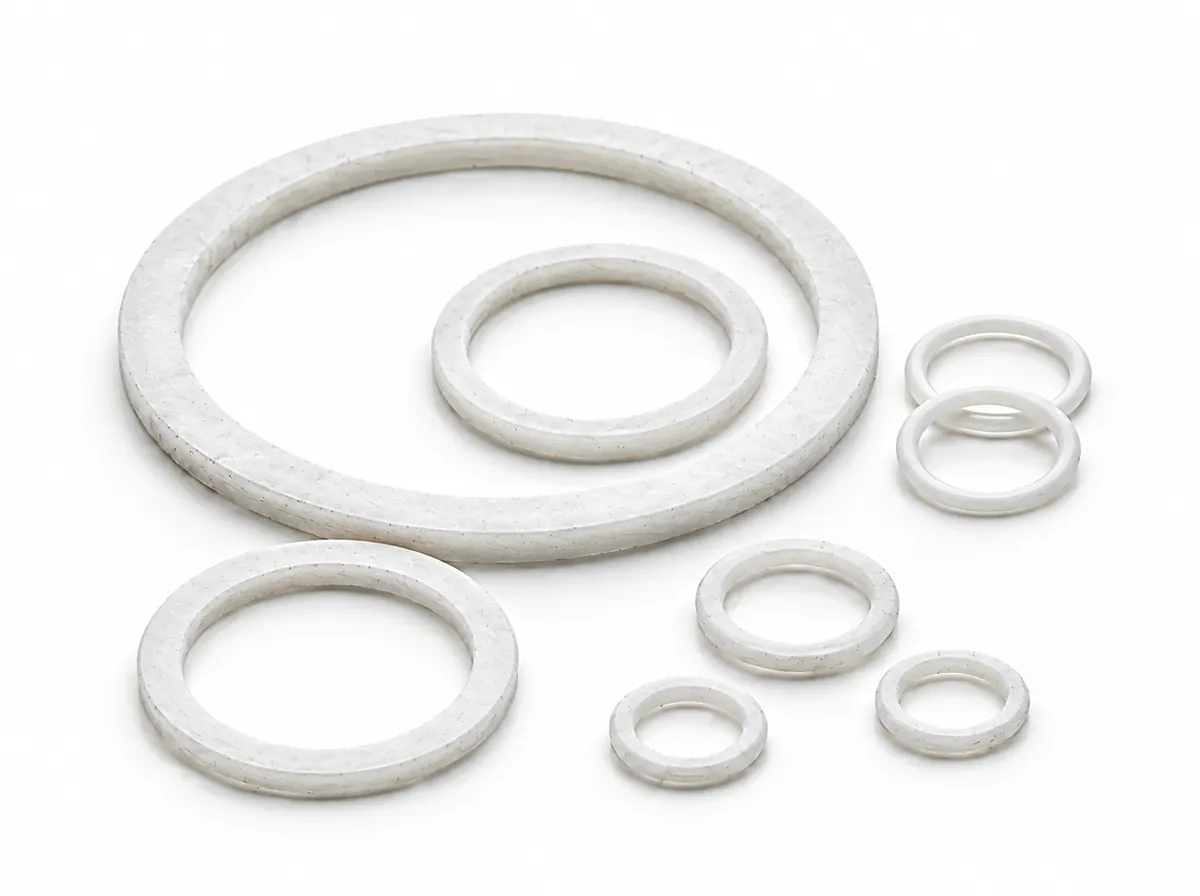
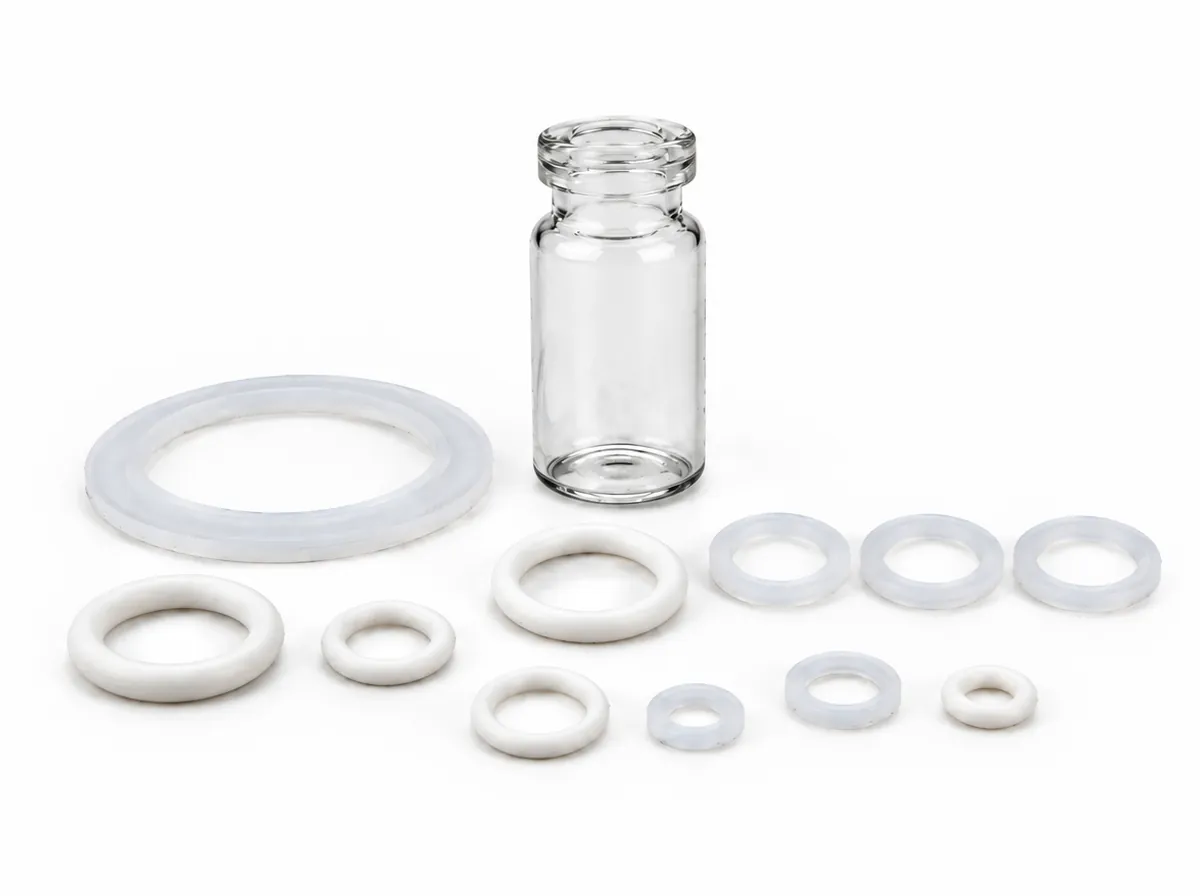
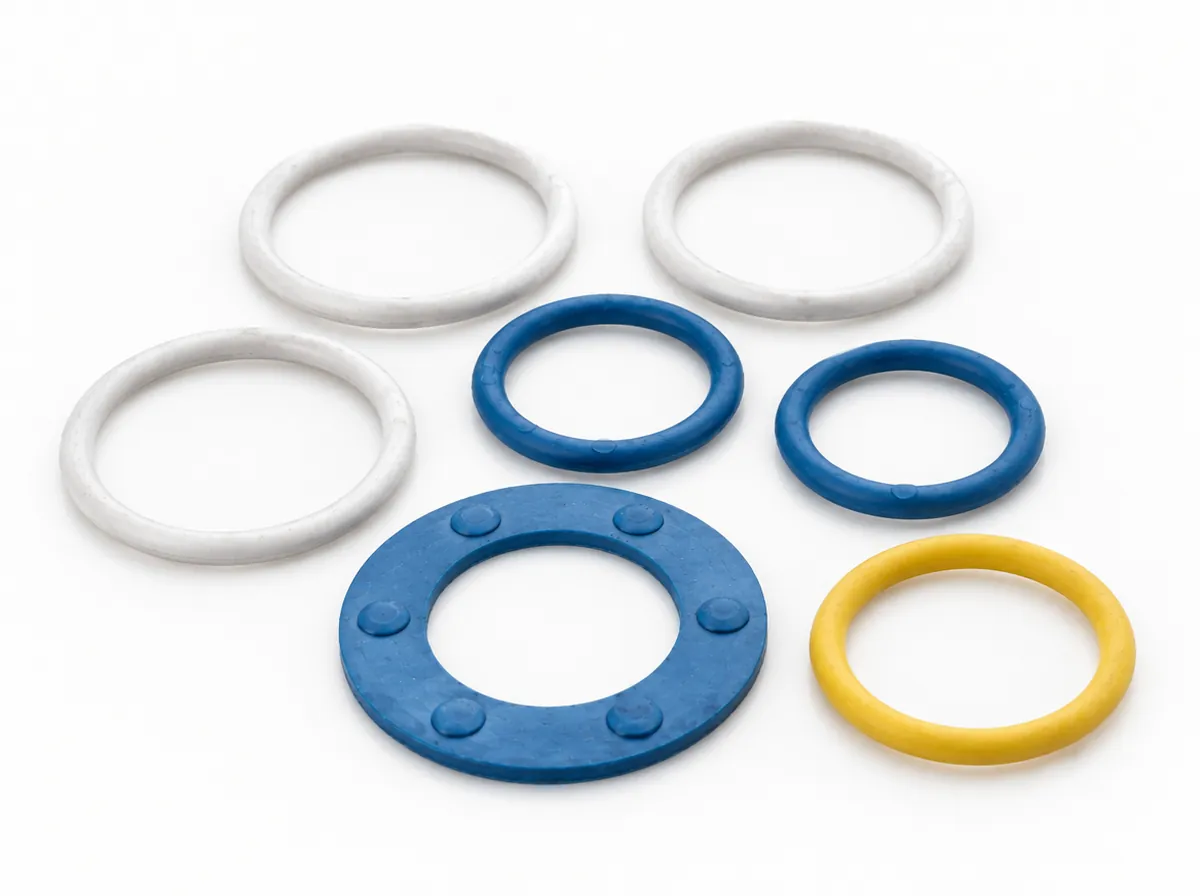
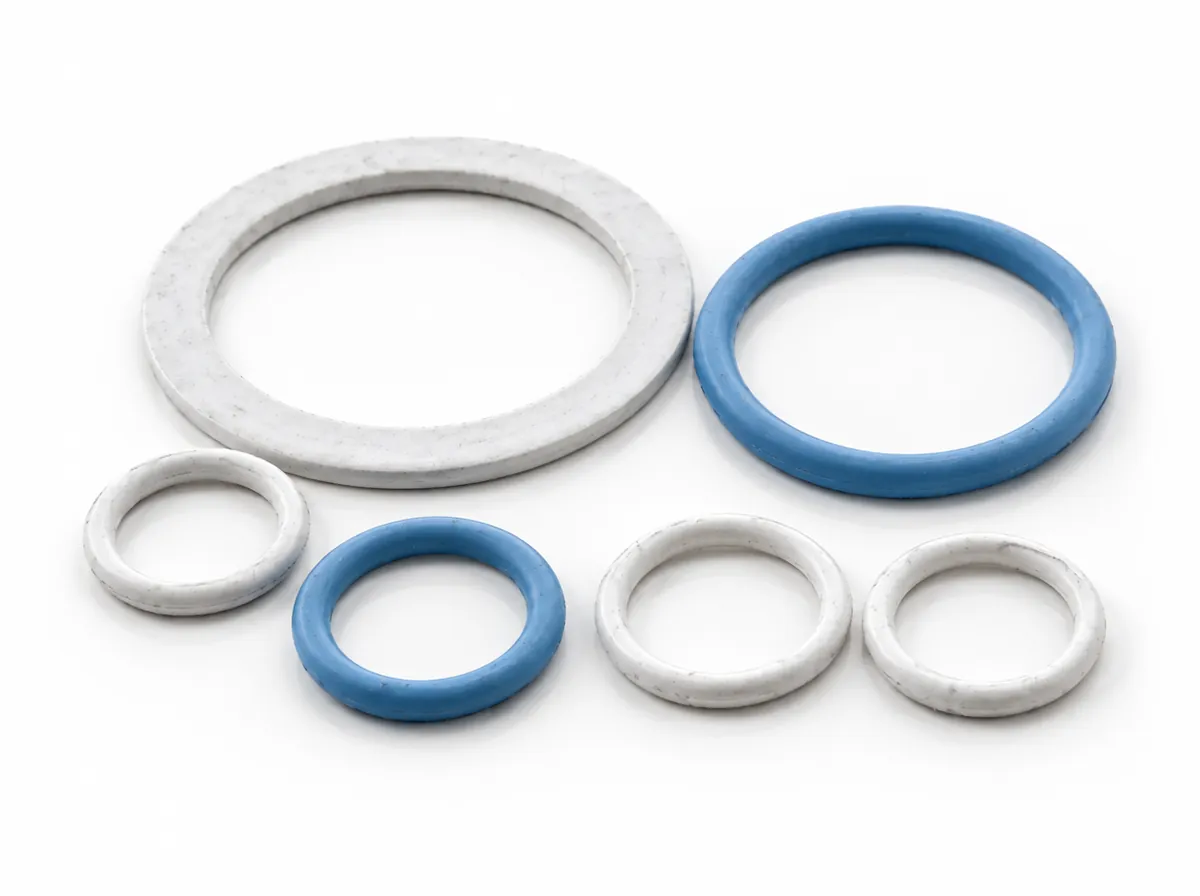
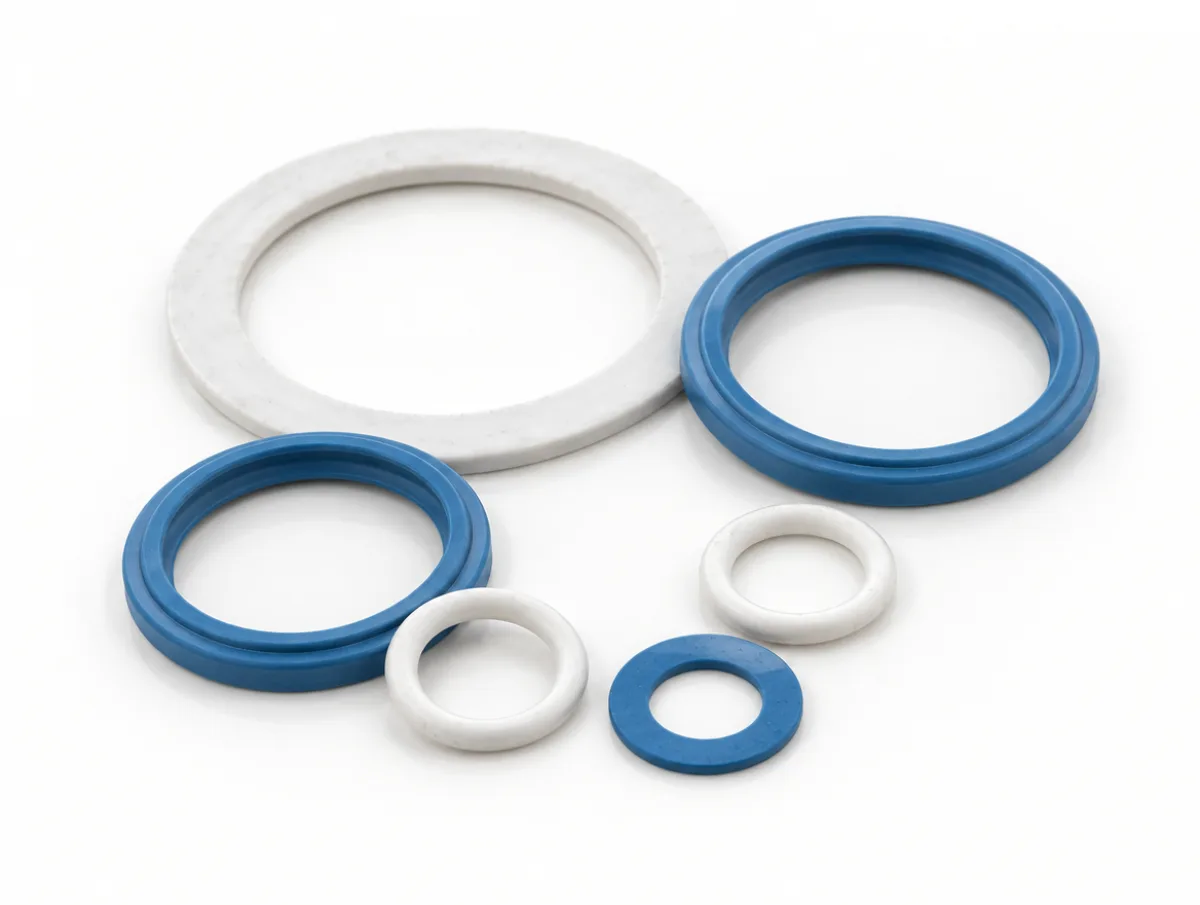
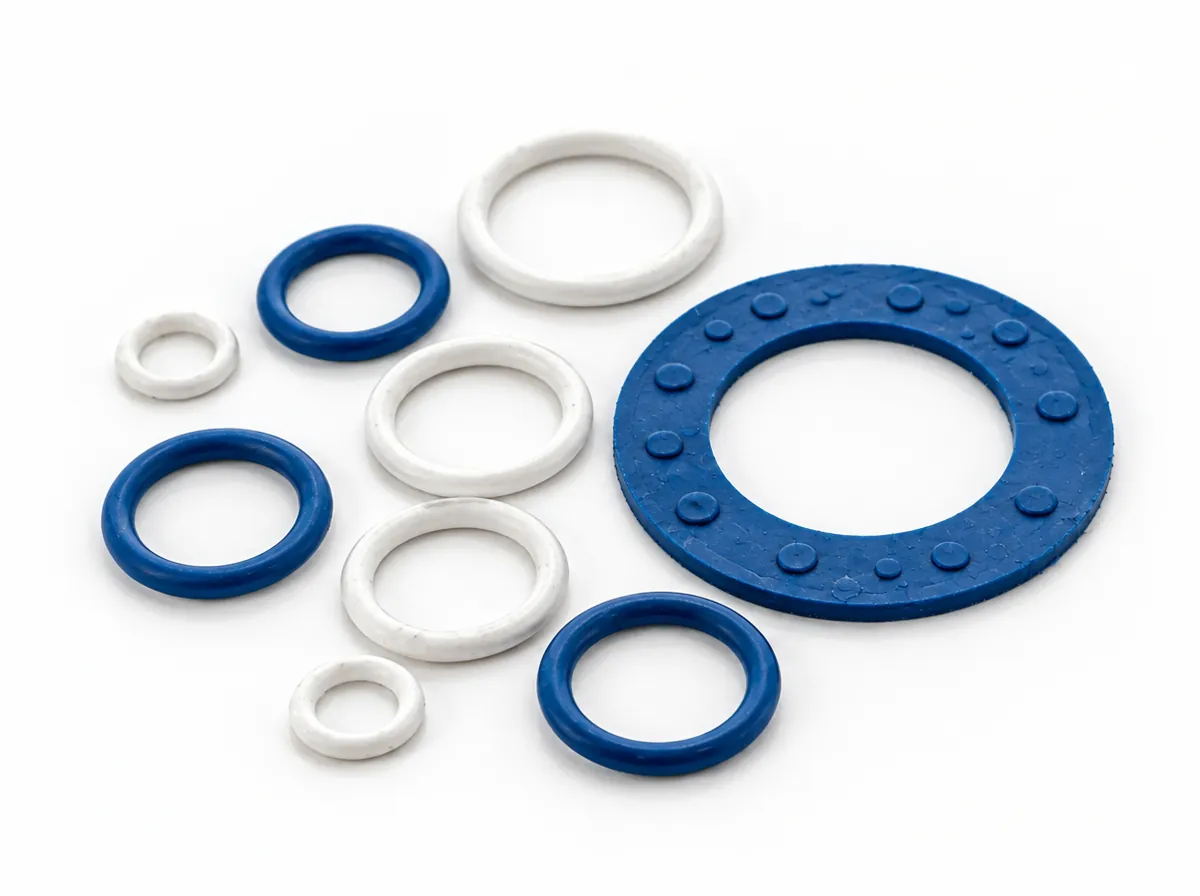
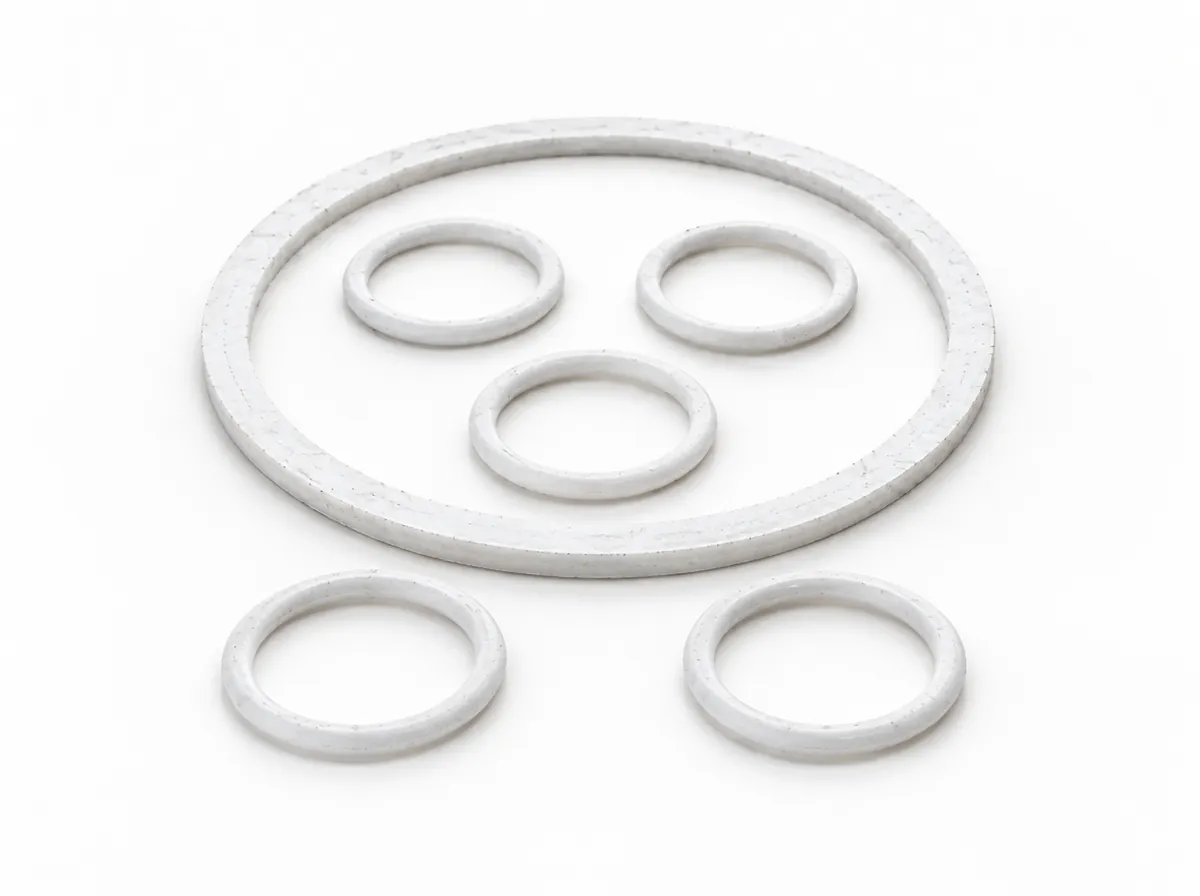
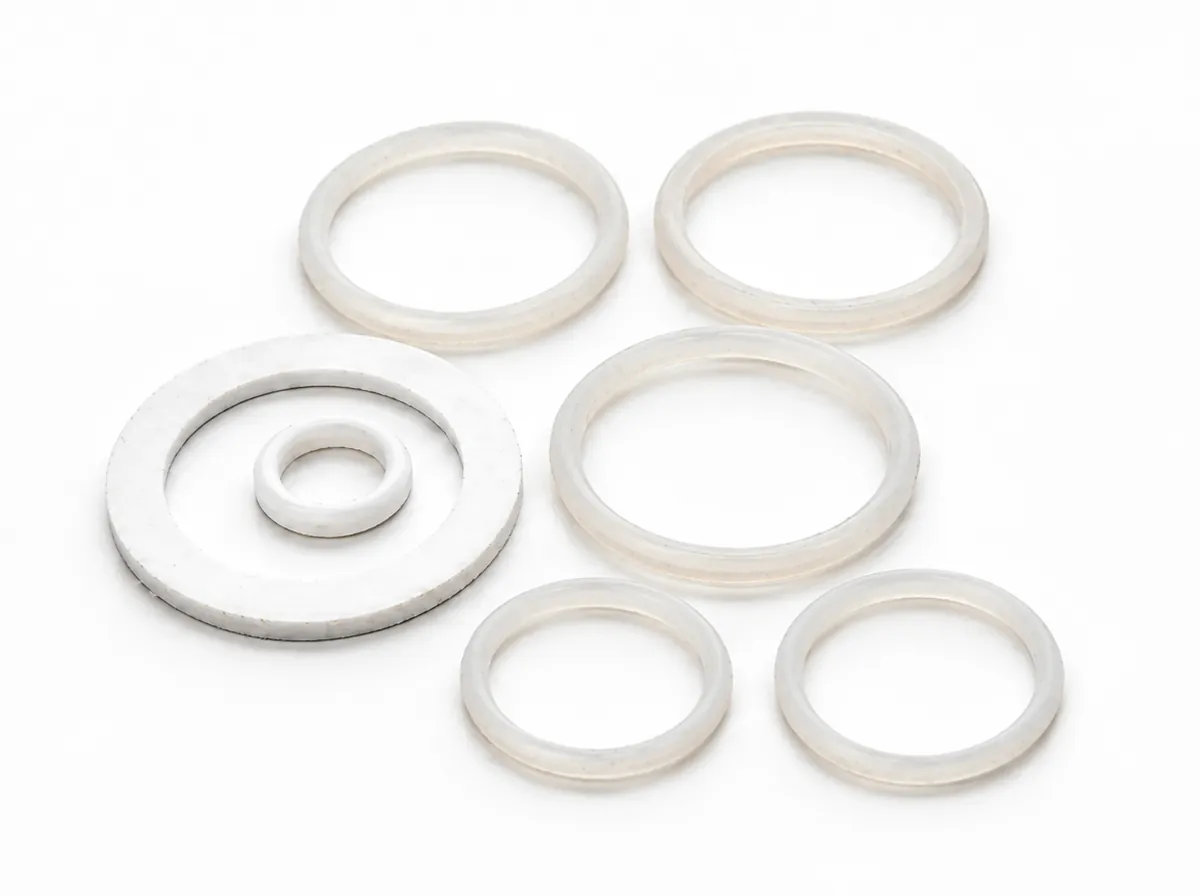
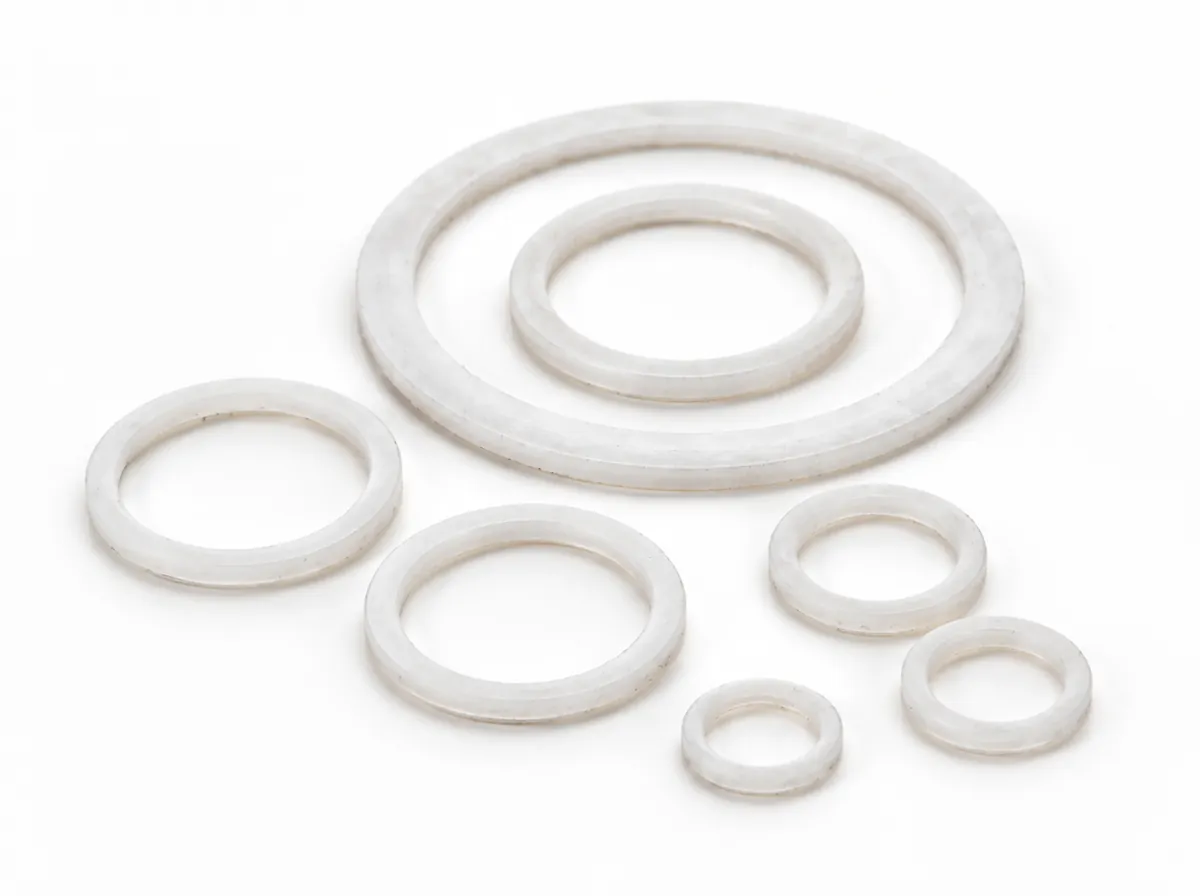
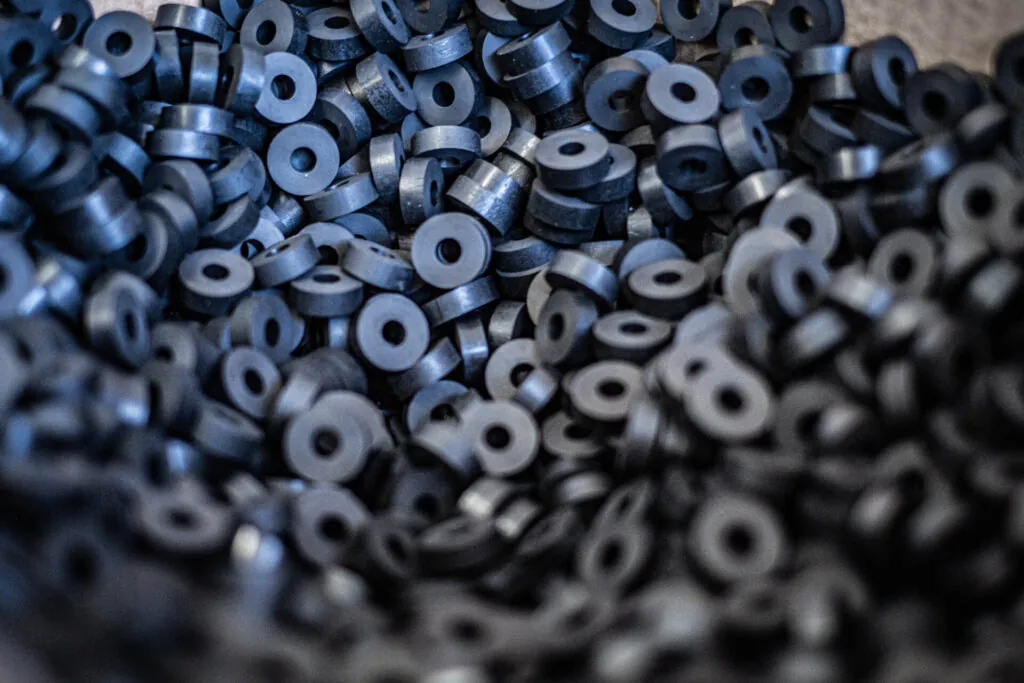
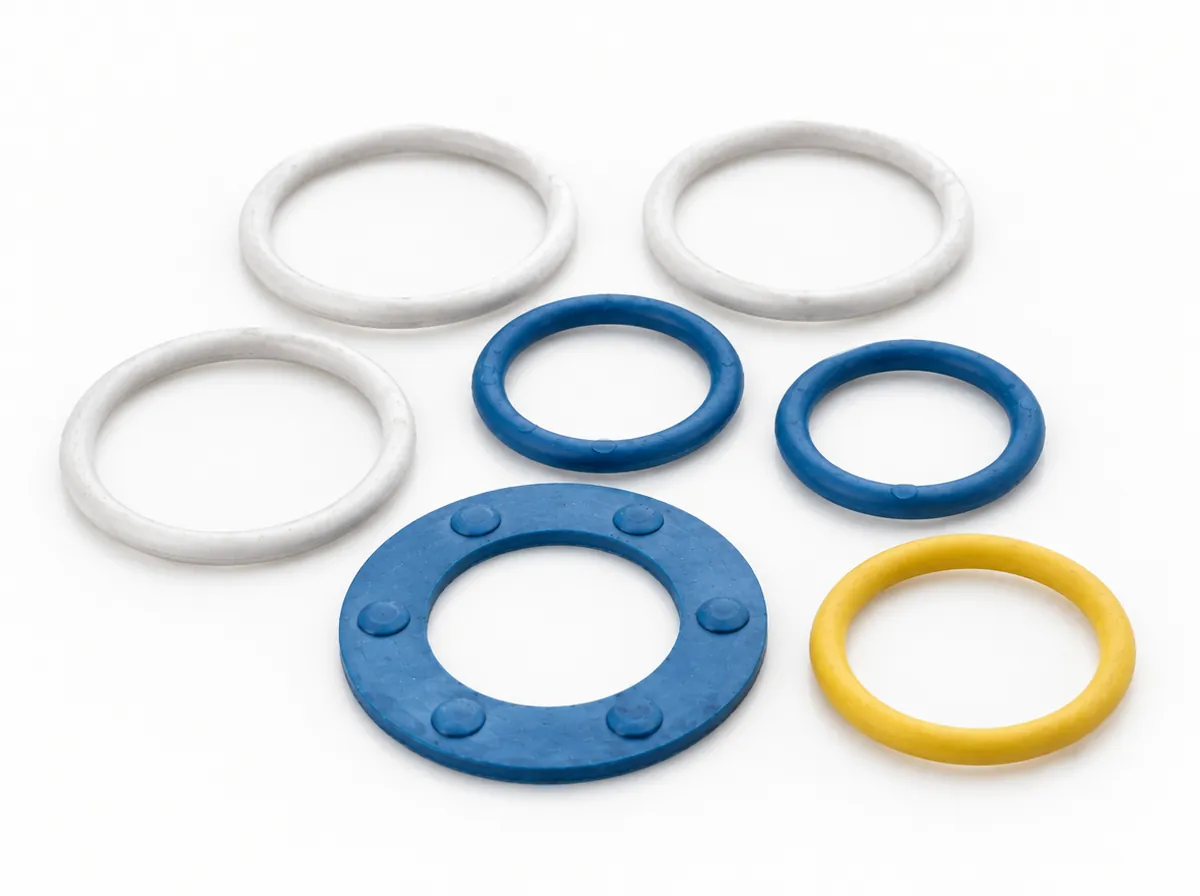
- Sealing rings and crush seals for gas lines
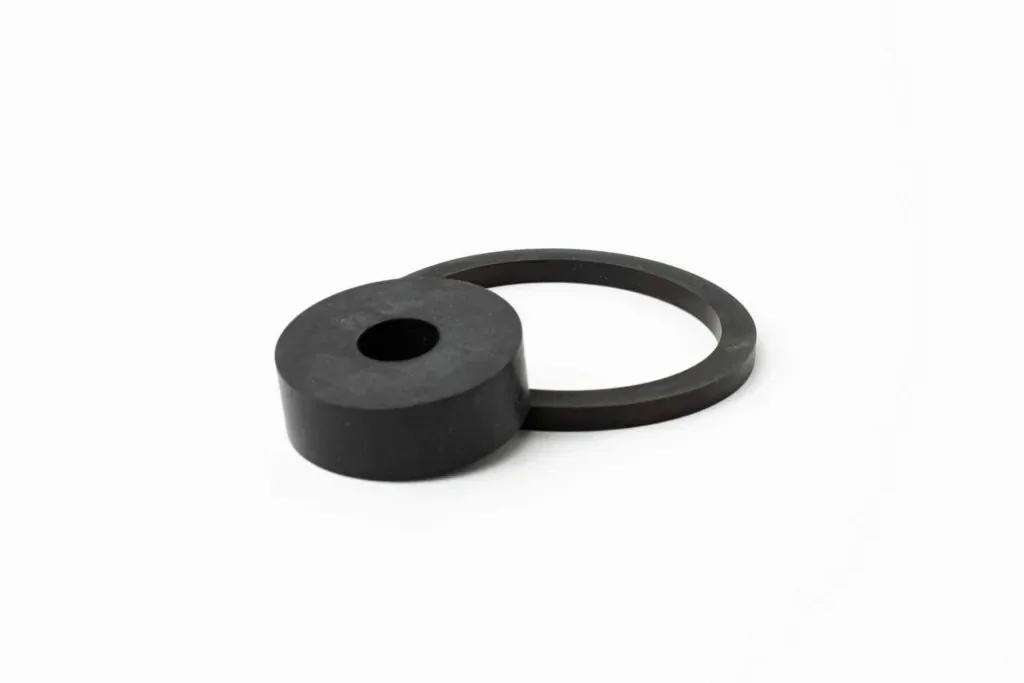
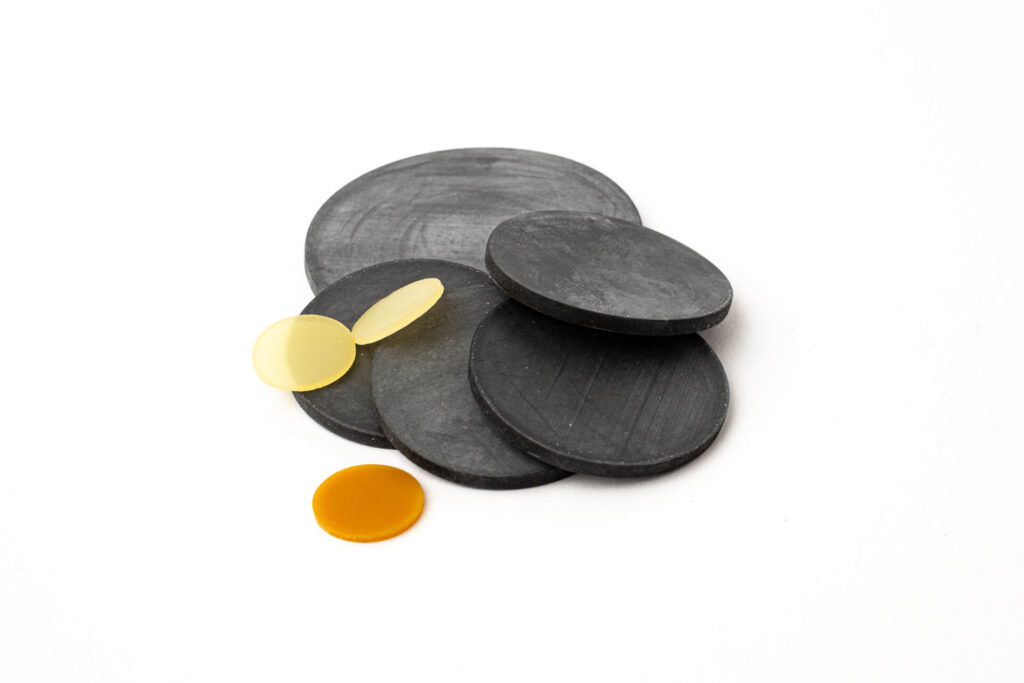
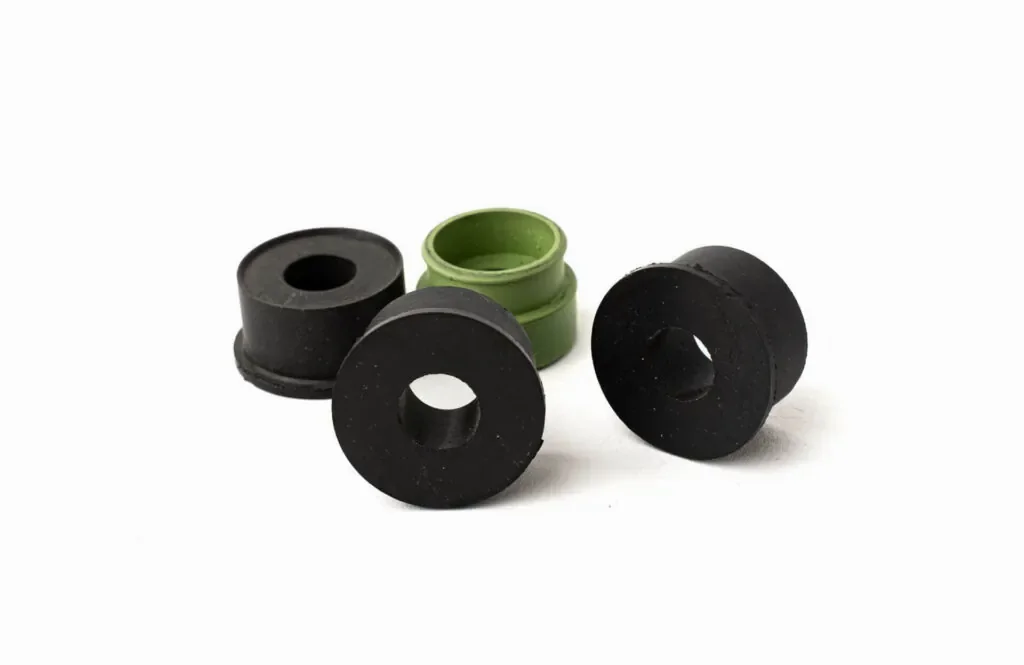
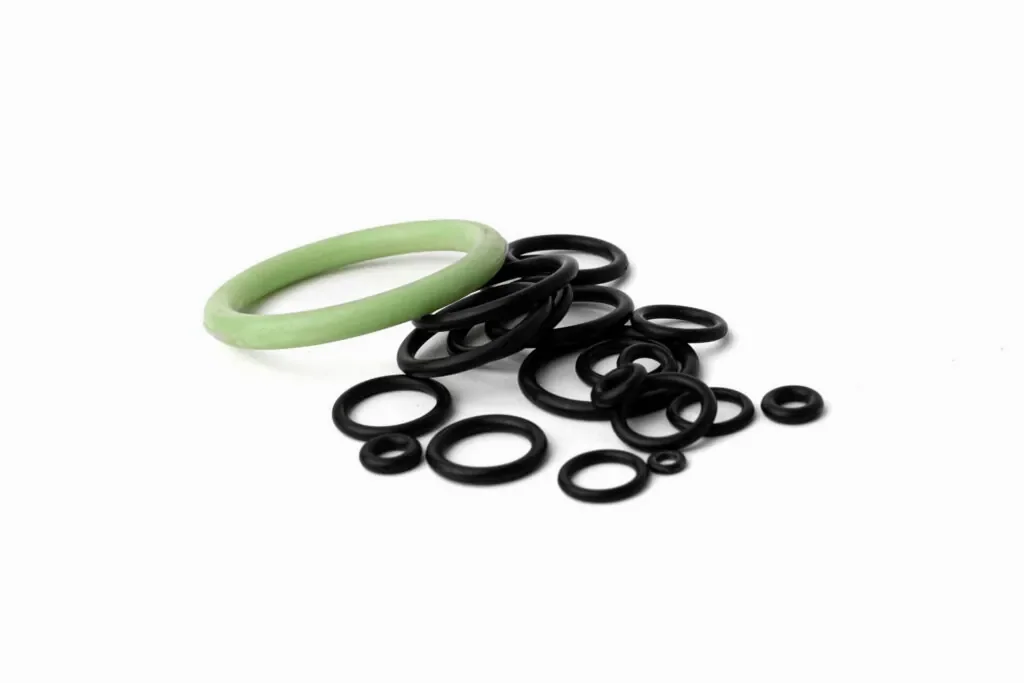
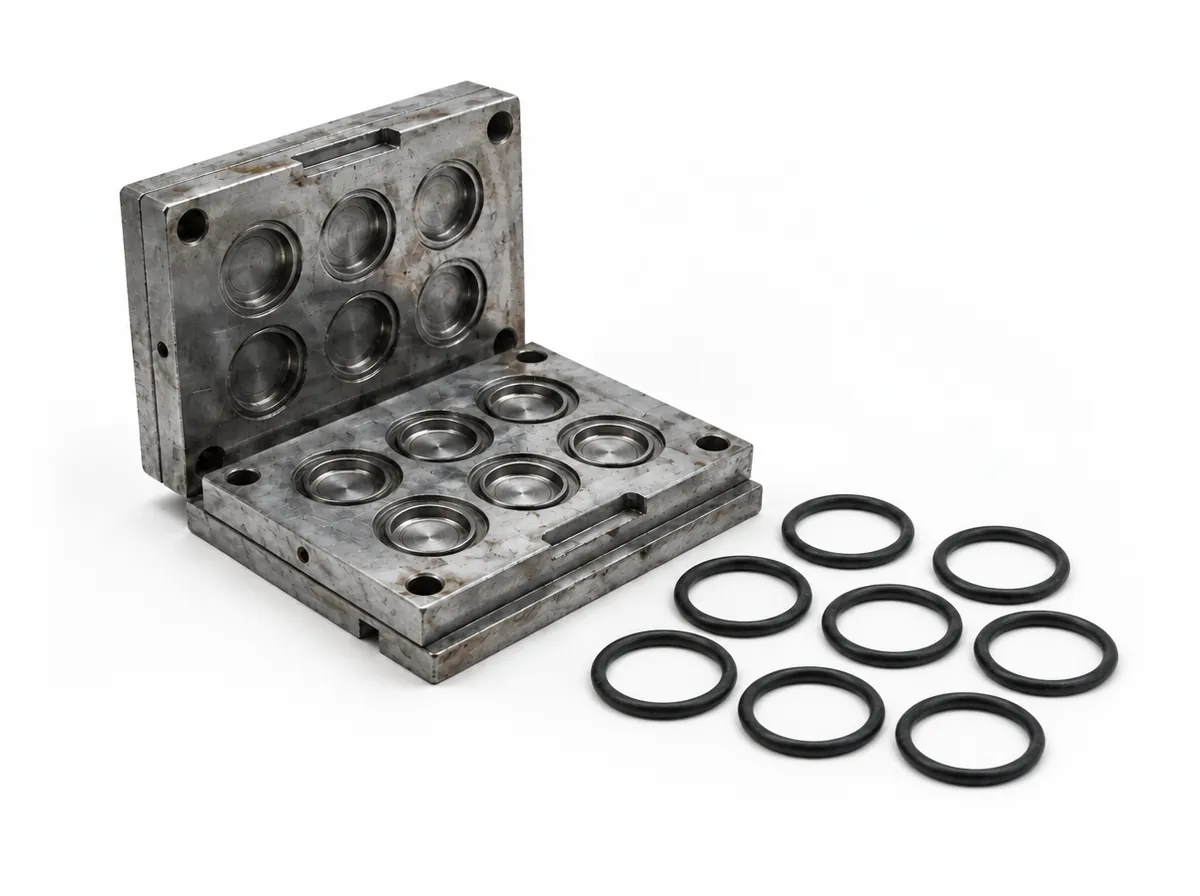
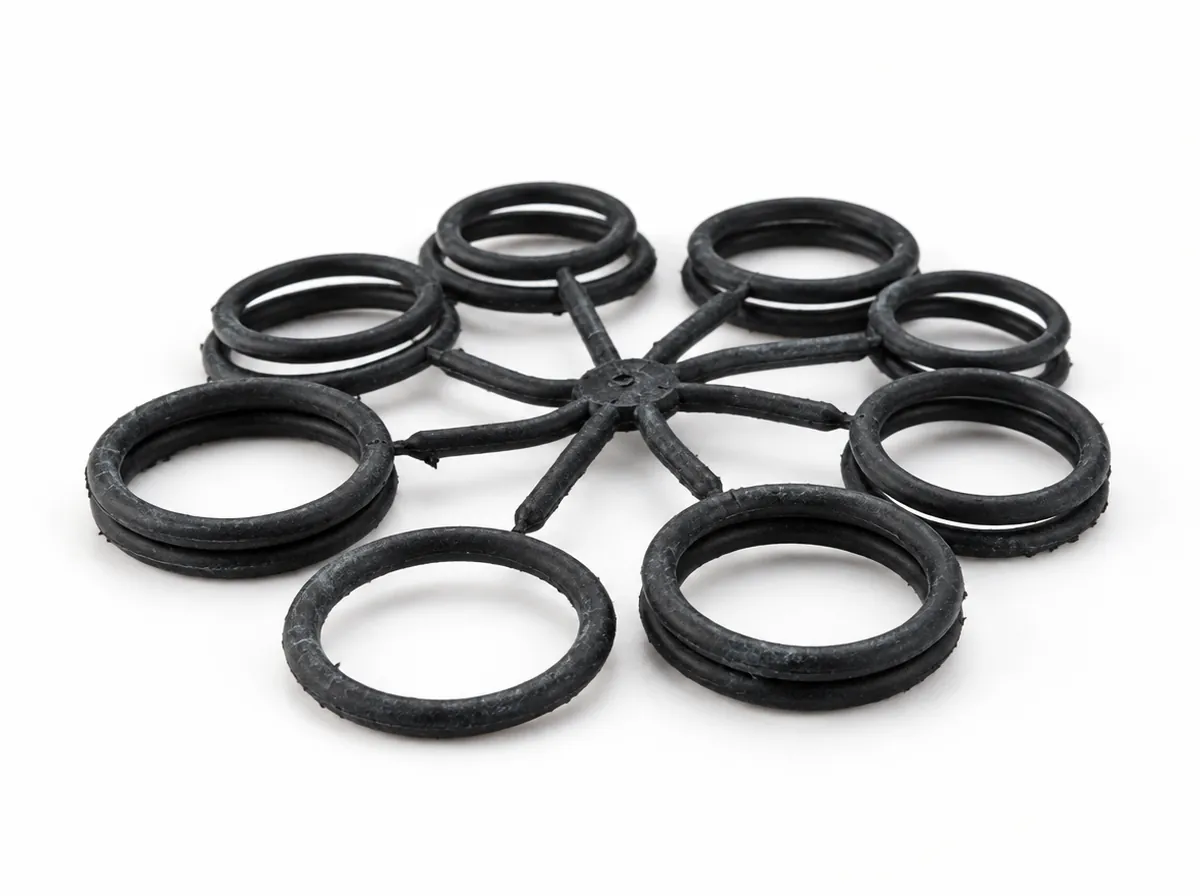
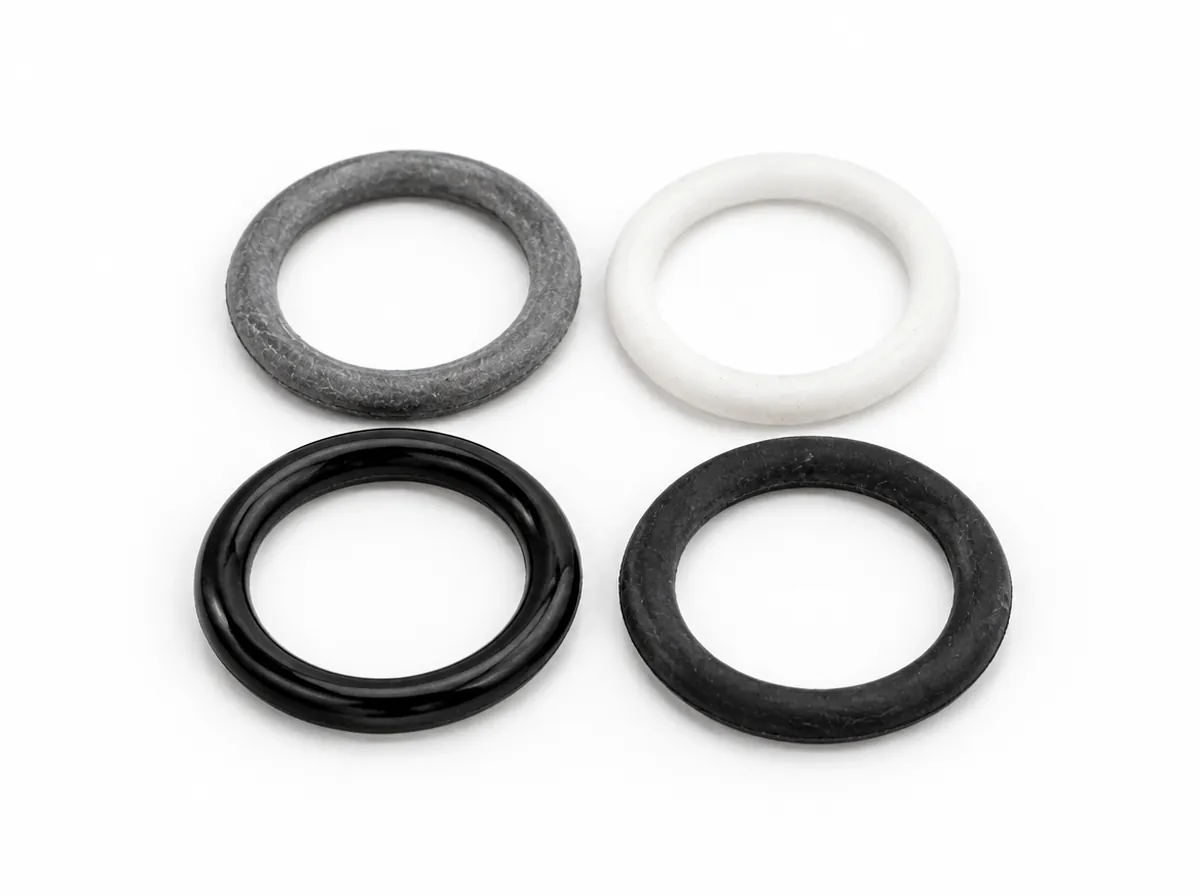
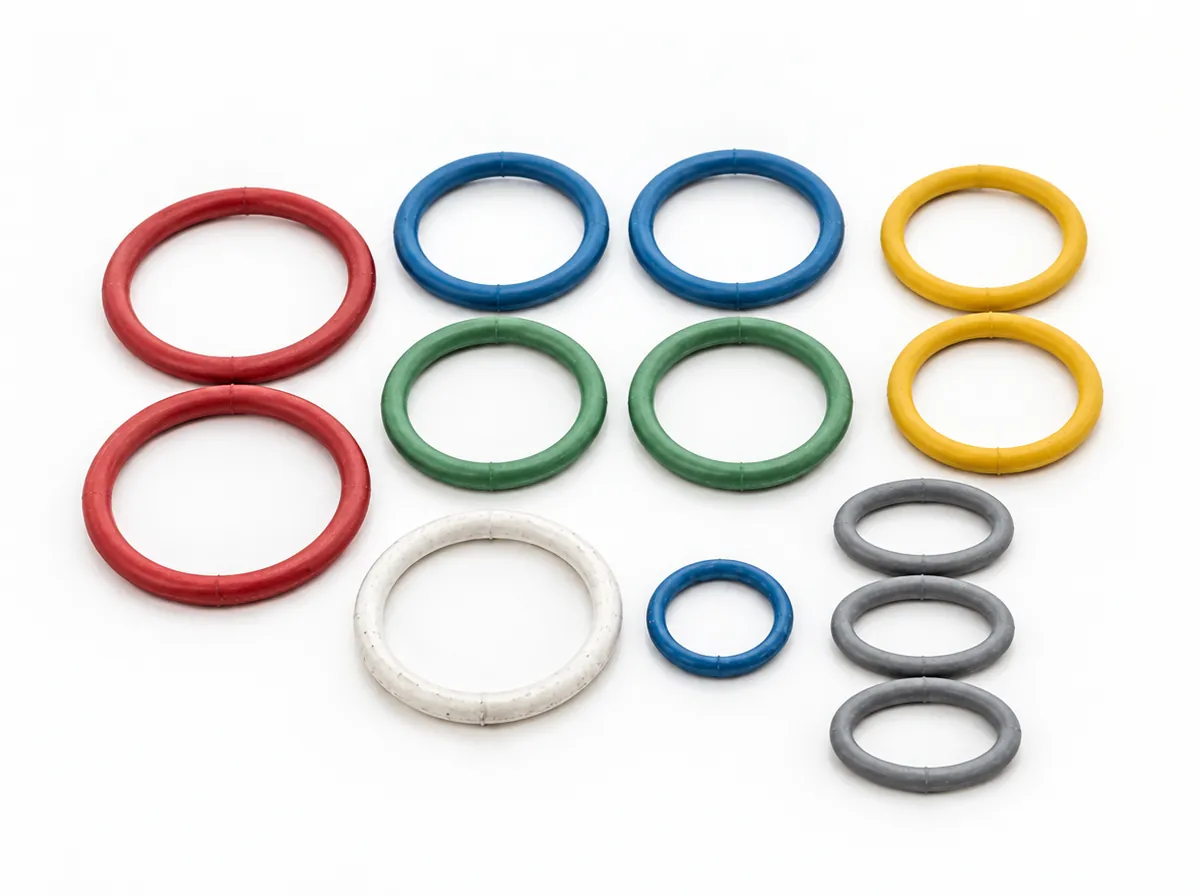
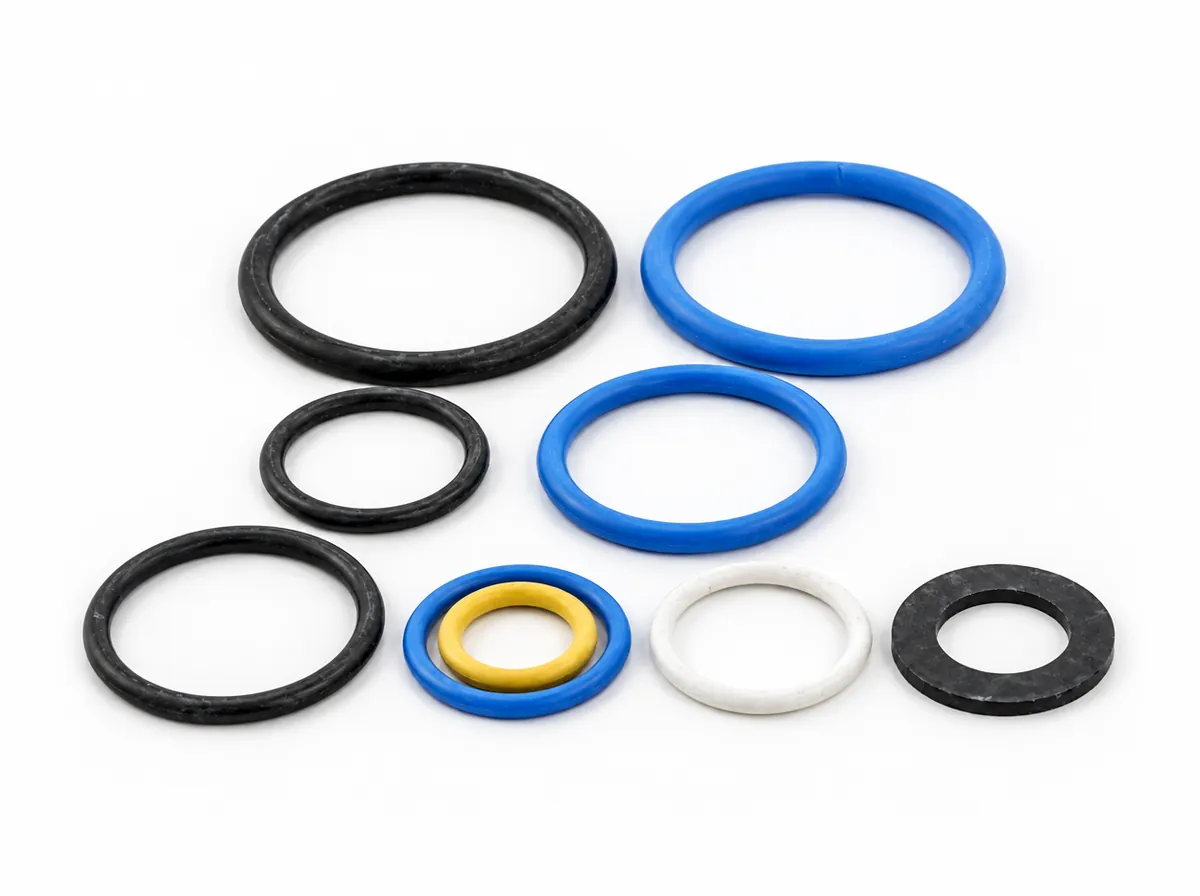
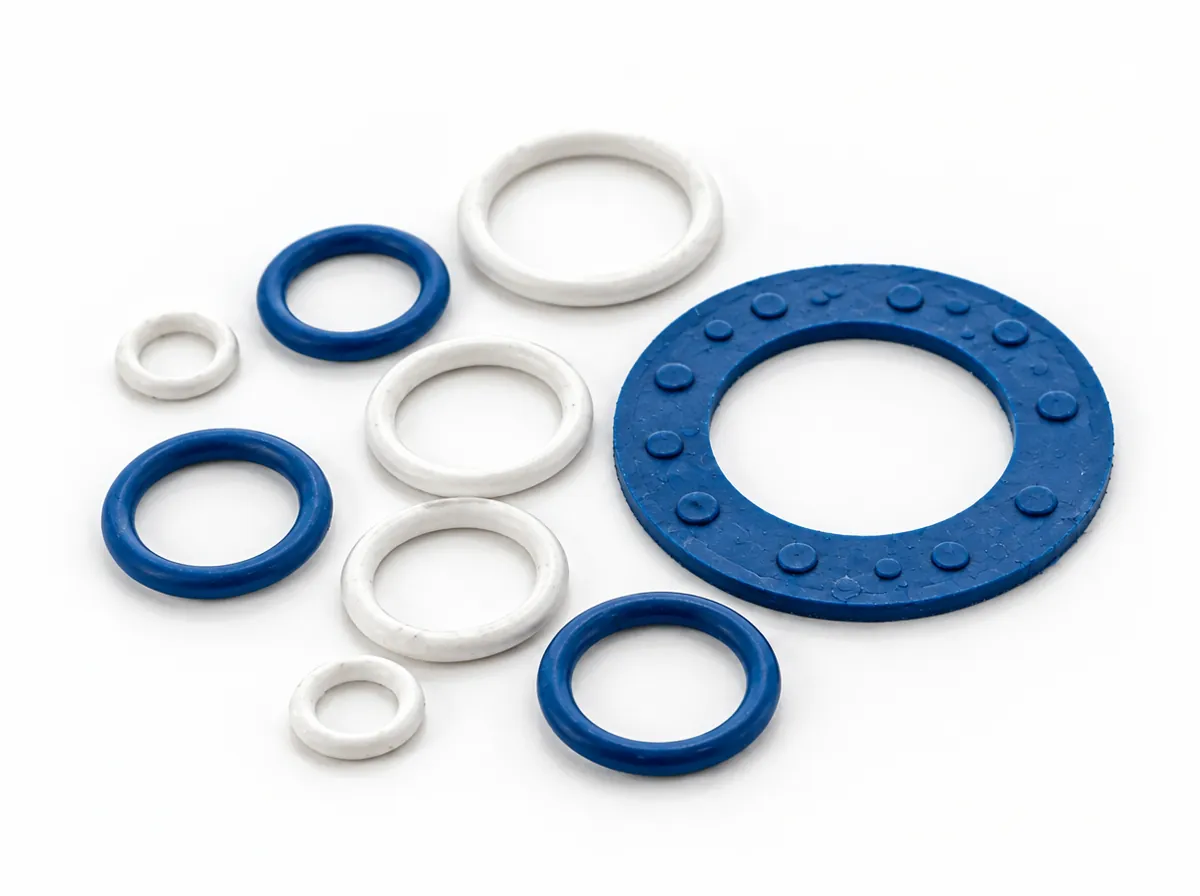
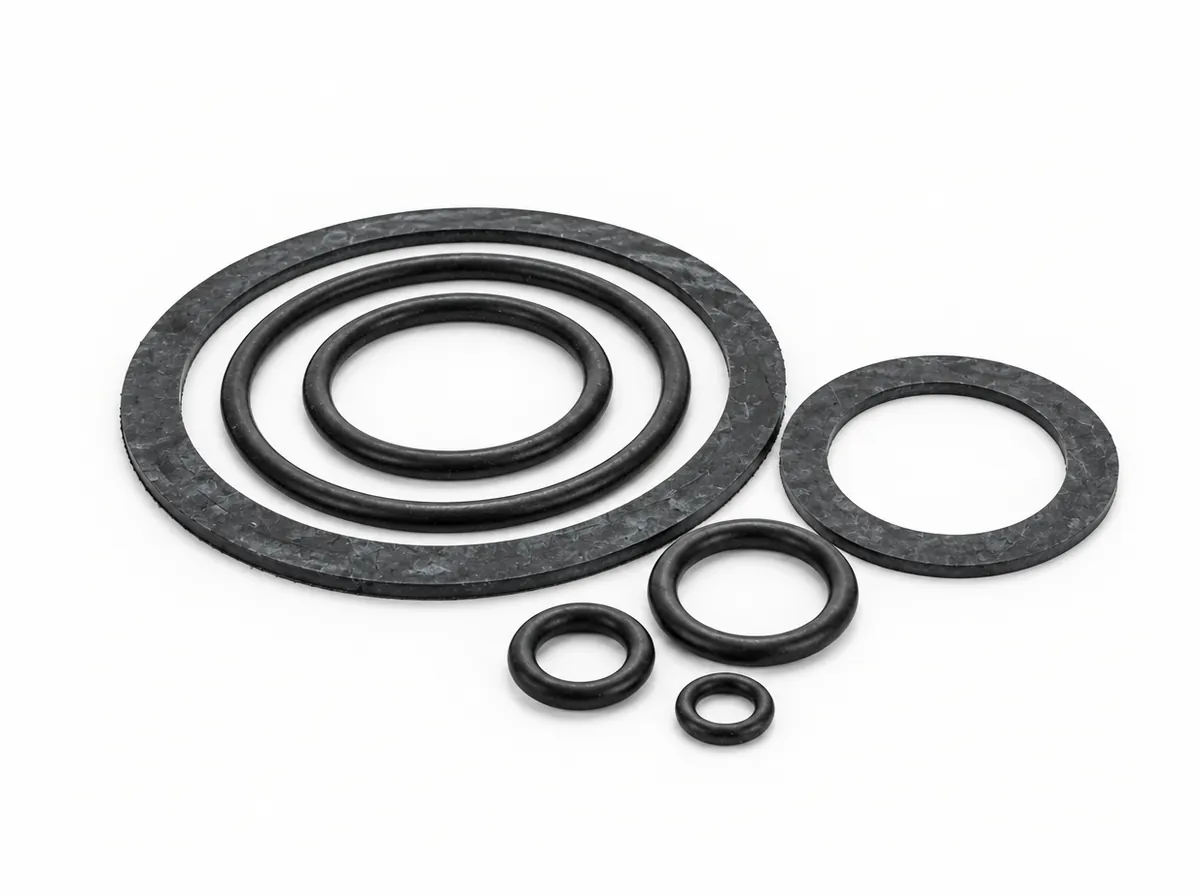
- Moulded parts and O-rings for fittings
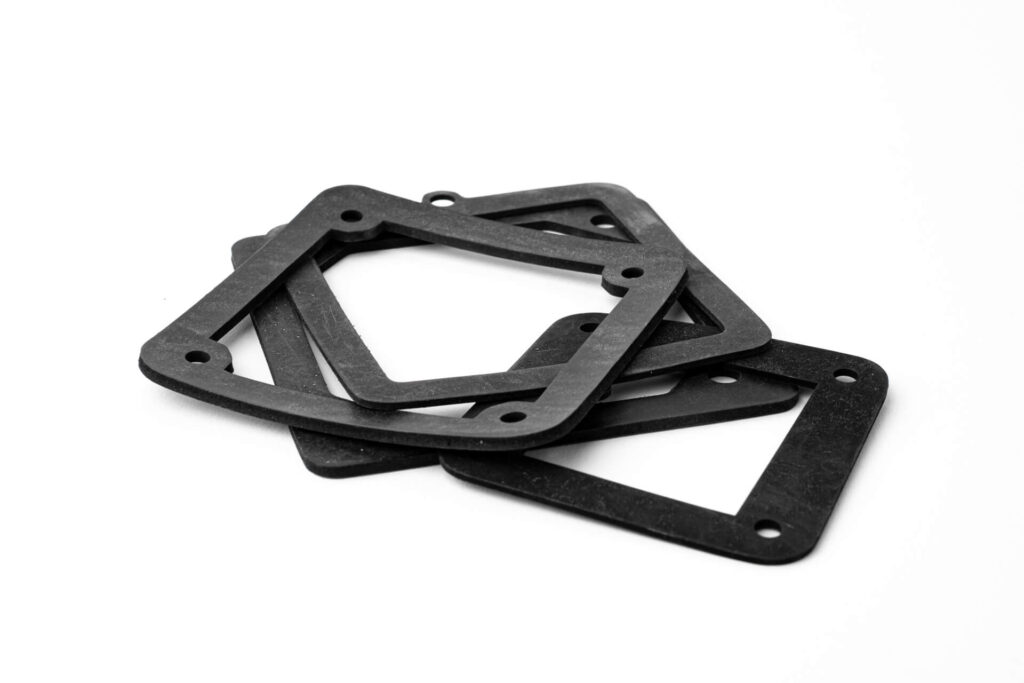
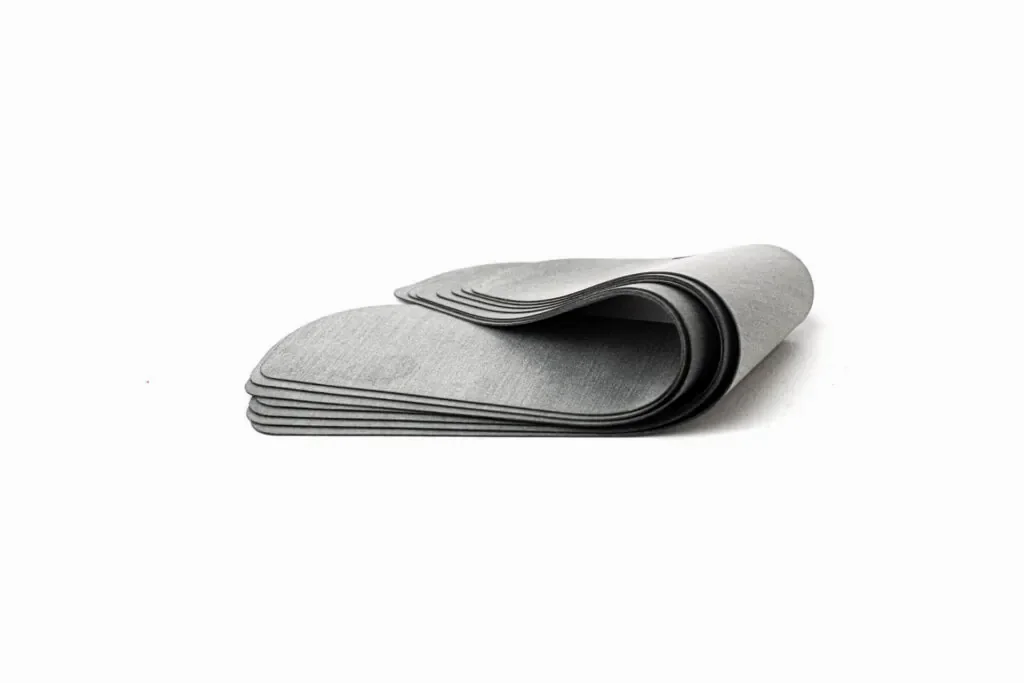
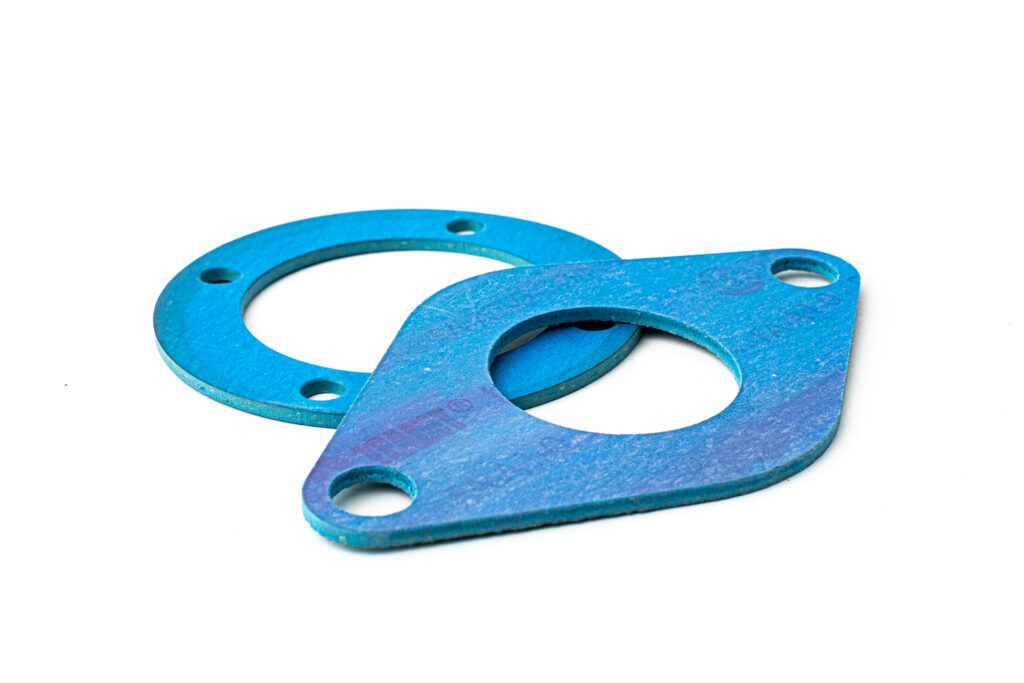
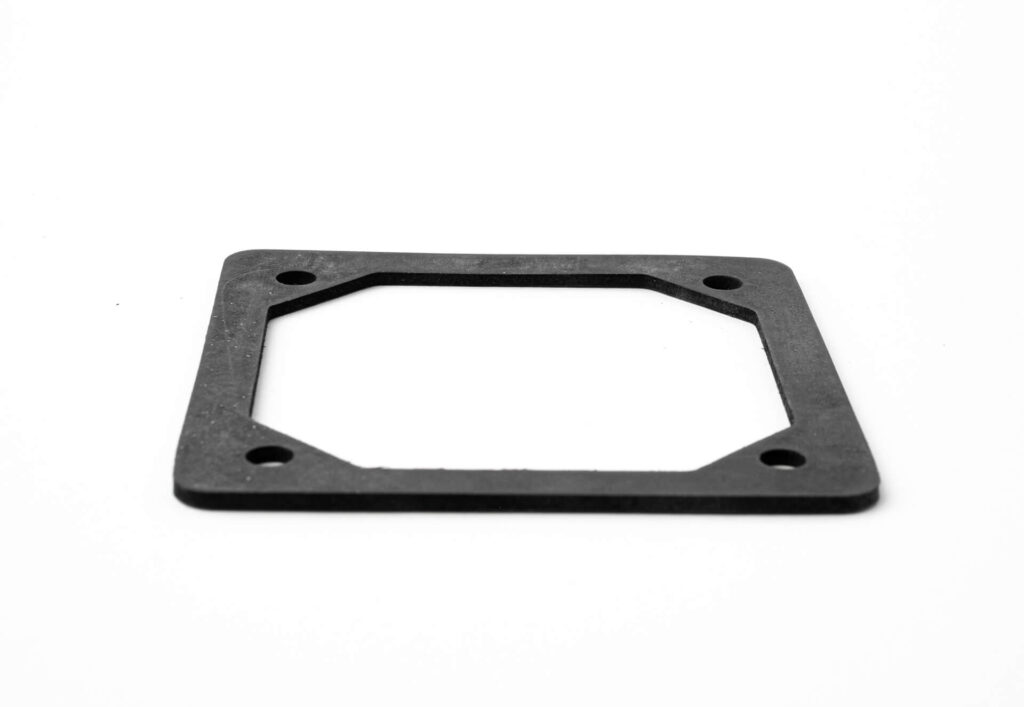
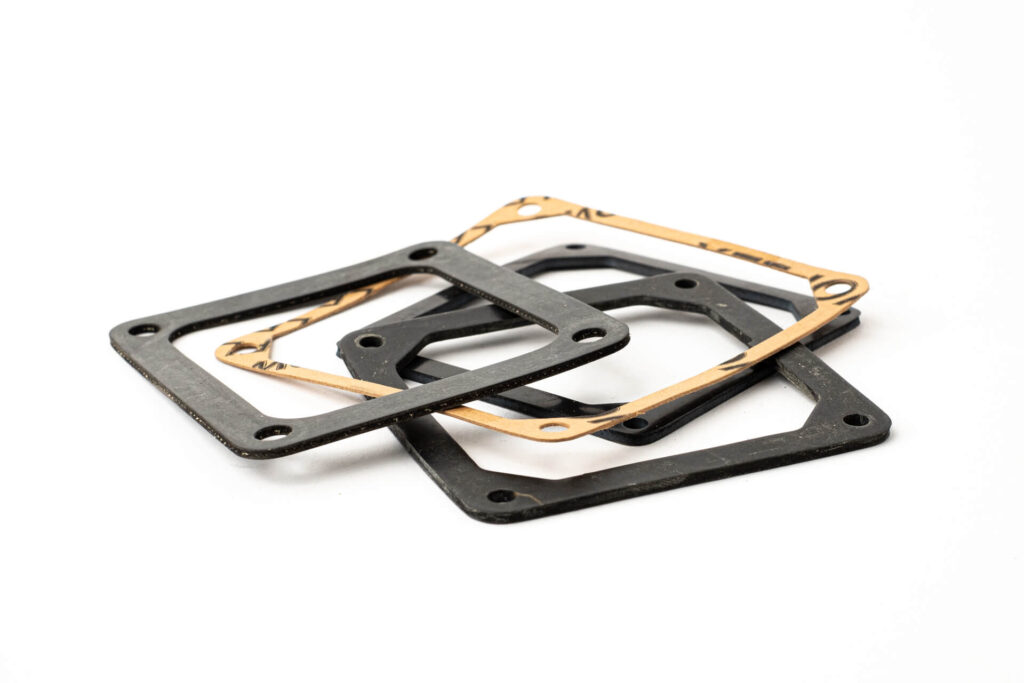
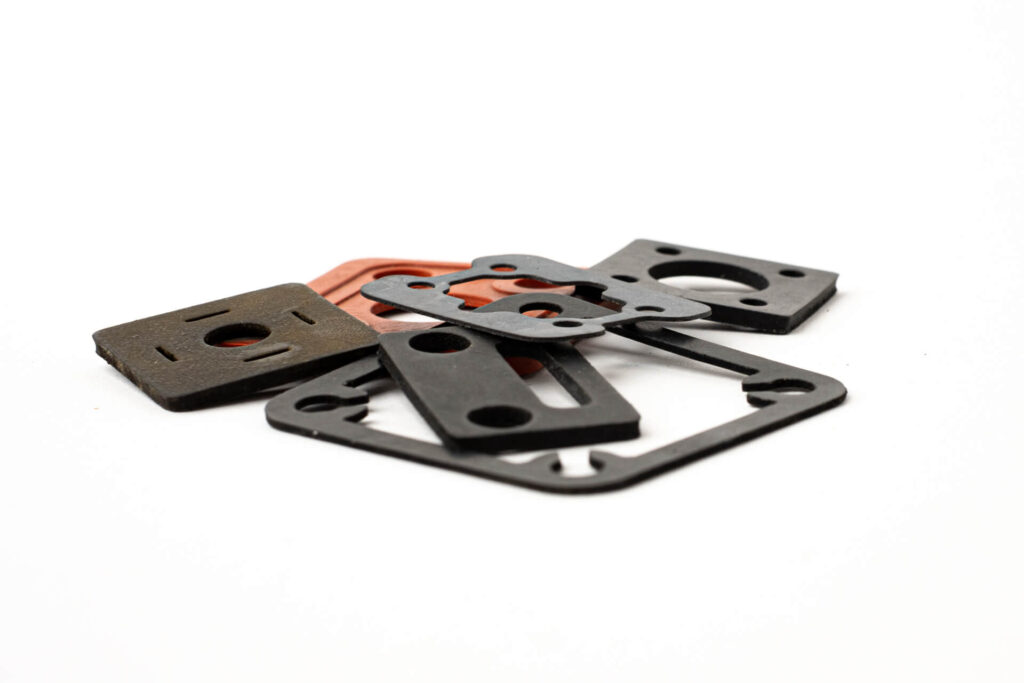
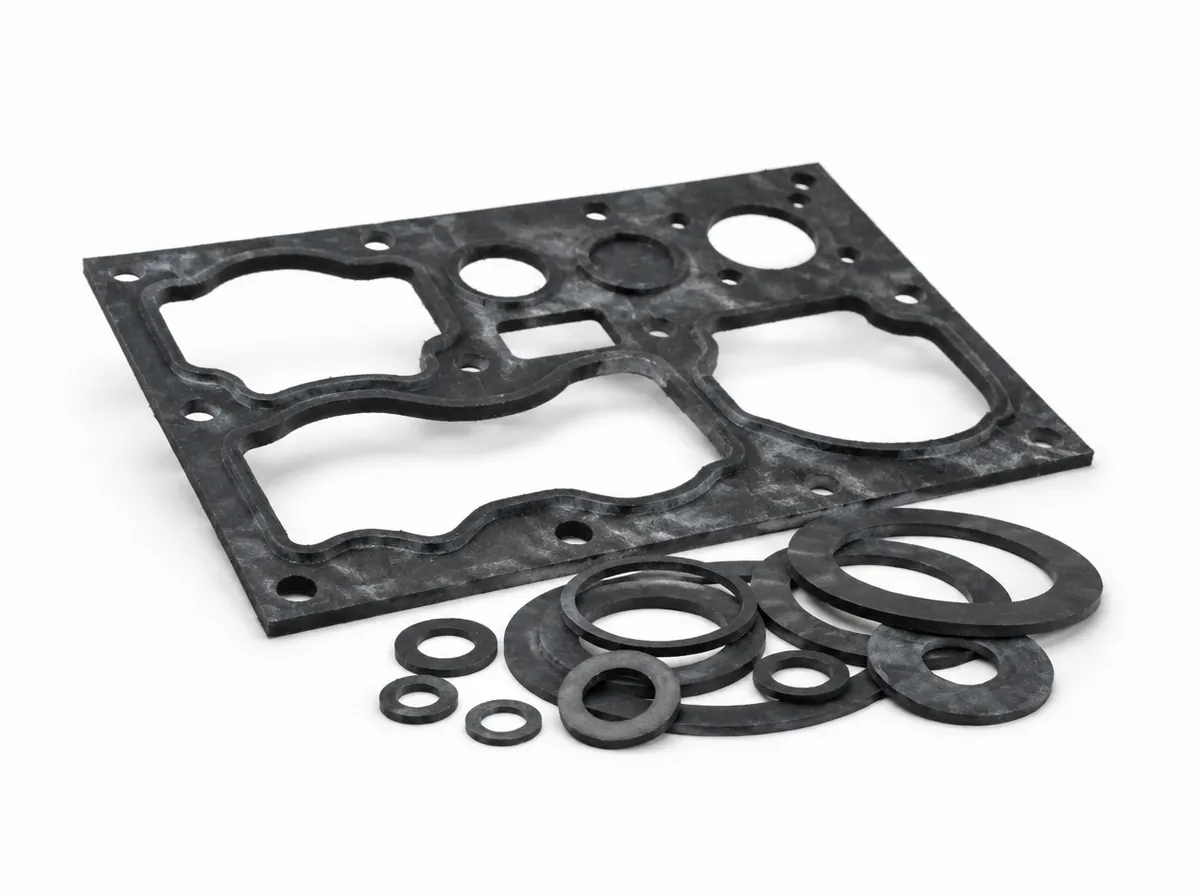
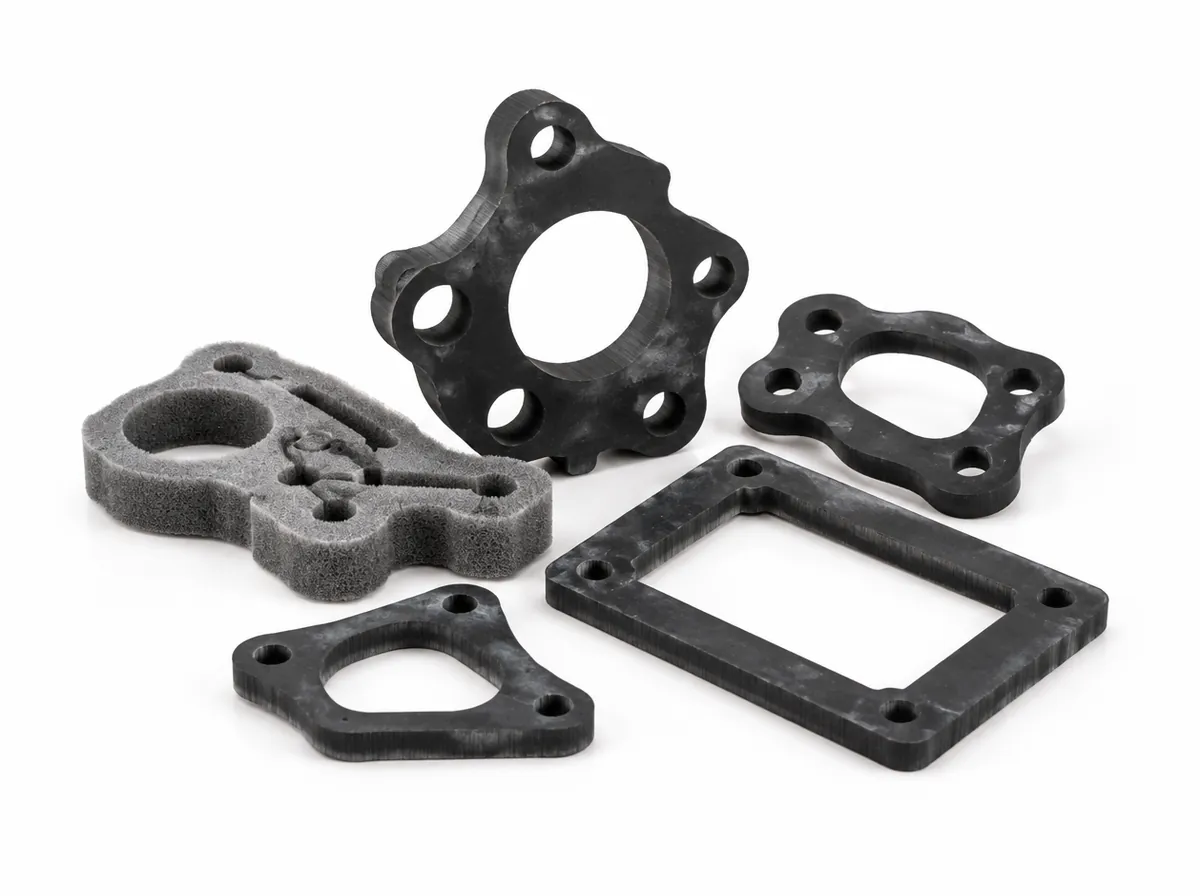
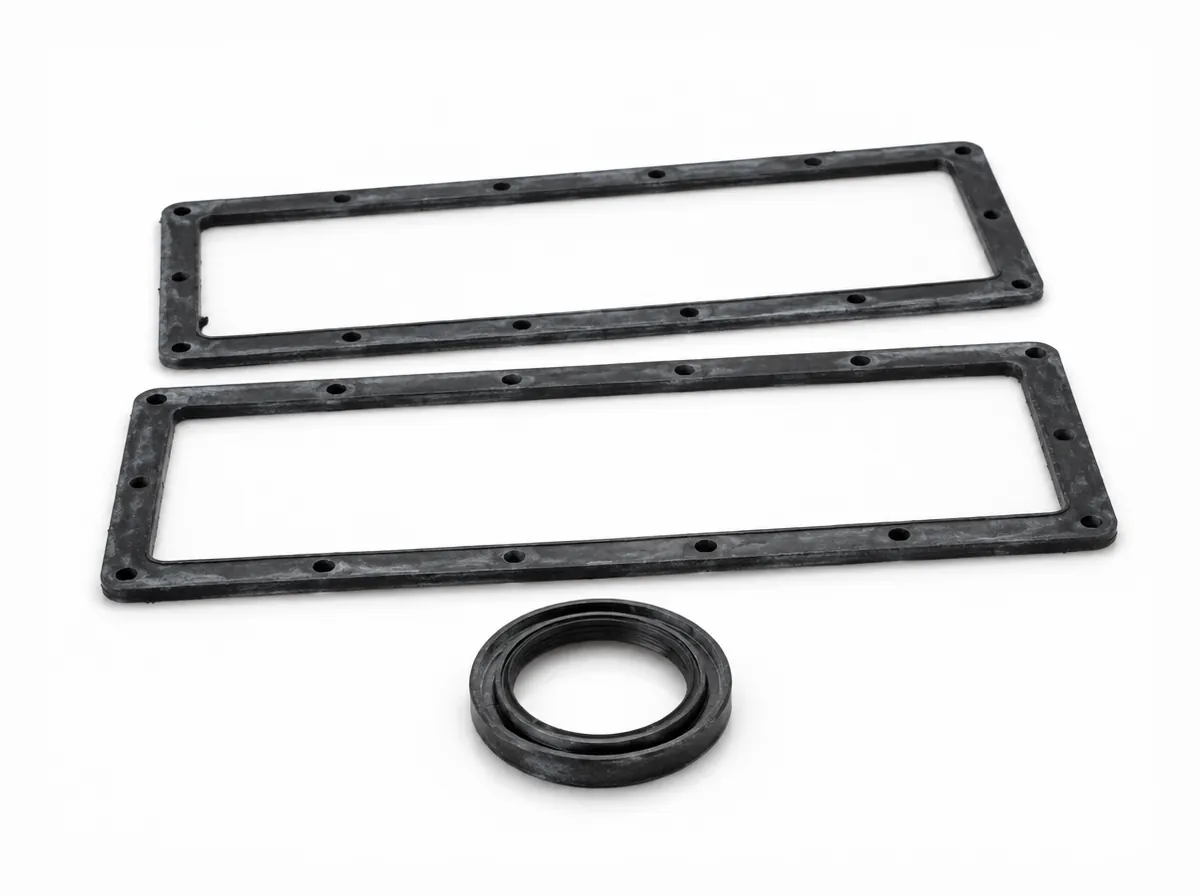
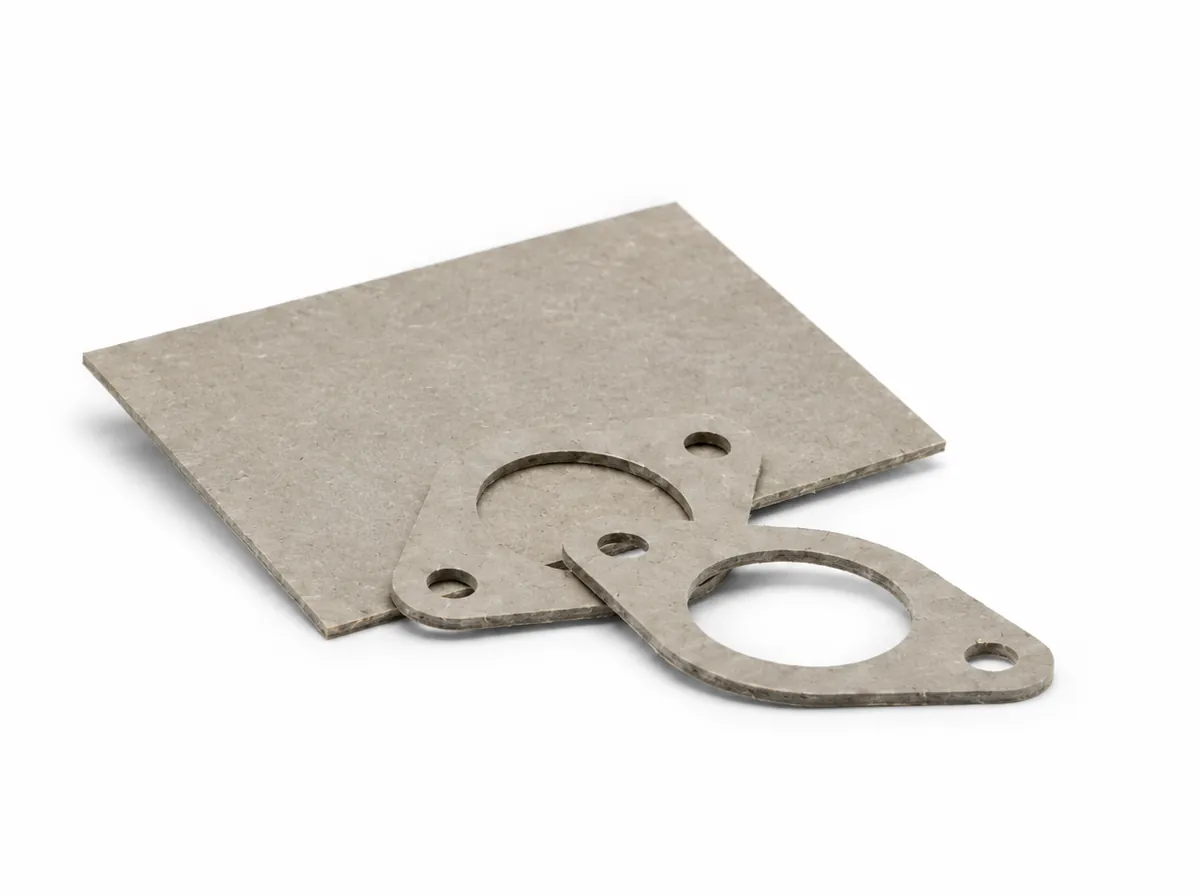
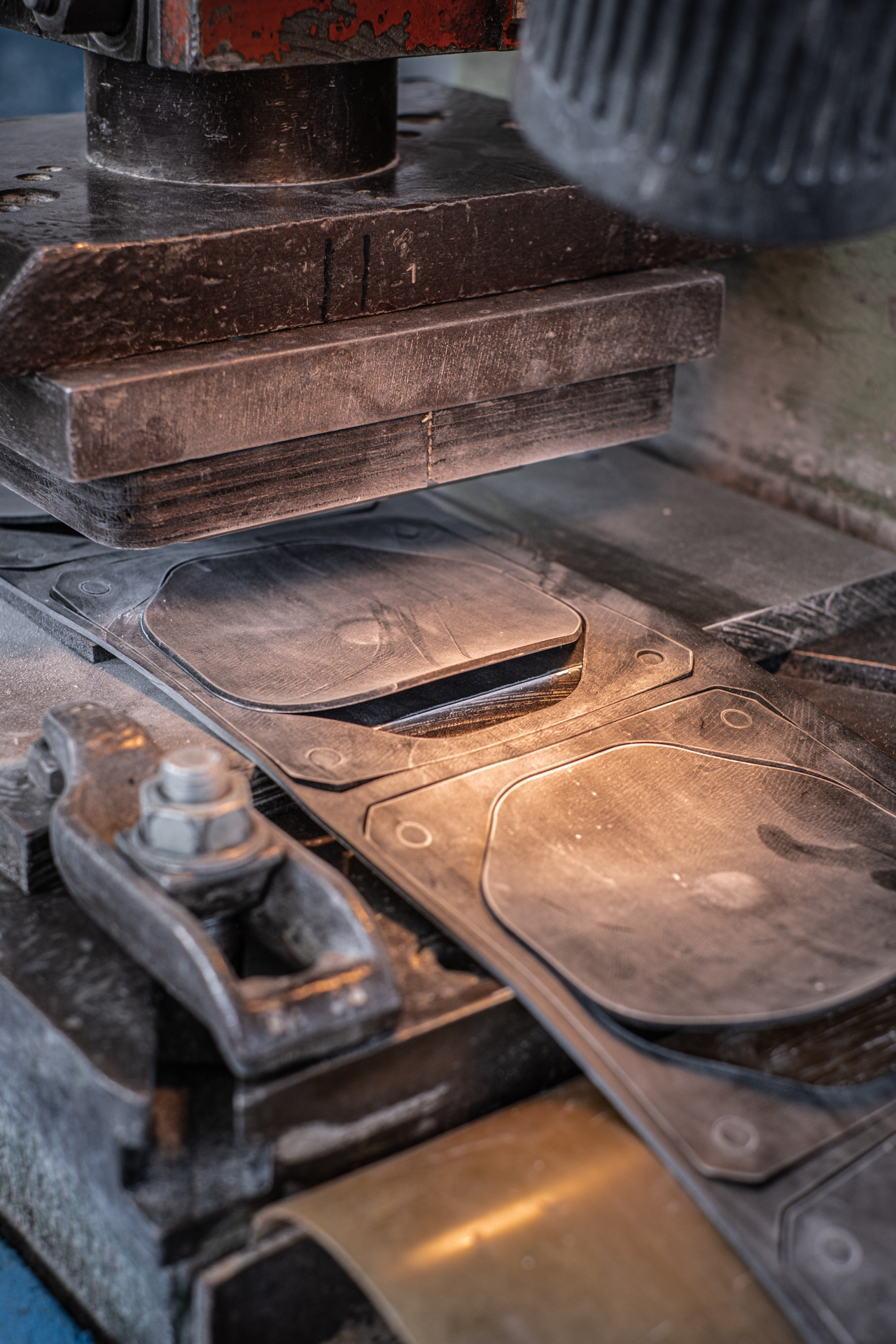
- Flat gaskets and punched parts for gas installations
We are happy to check the requirements for your application and, on request, supply seals with the appropriate approval or conformity.
FAQ
The key questions
What does EN 682 apply to?
What is the difference between EN 682 and EN 549?
What is tested under EN 682?
Which materials are suitable for EN 682?
Does a gas seal need DVGW approval?
Applications
Products with EN 682
On request, we design these product categories to meet EN 682. Select a category to see all versions.
Sealing rings
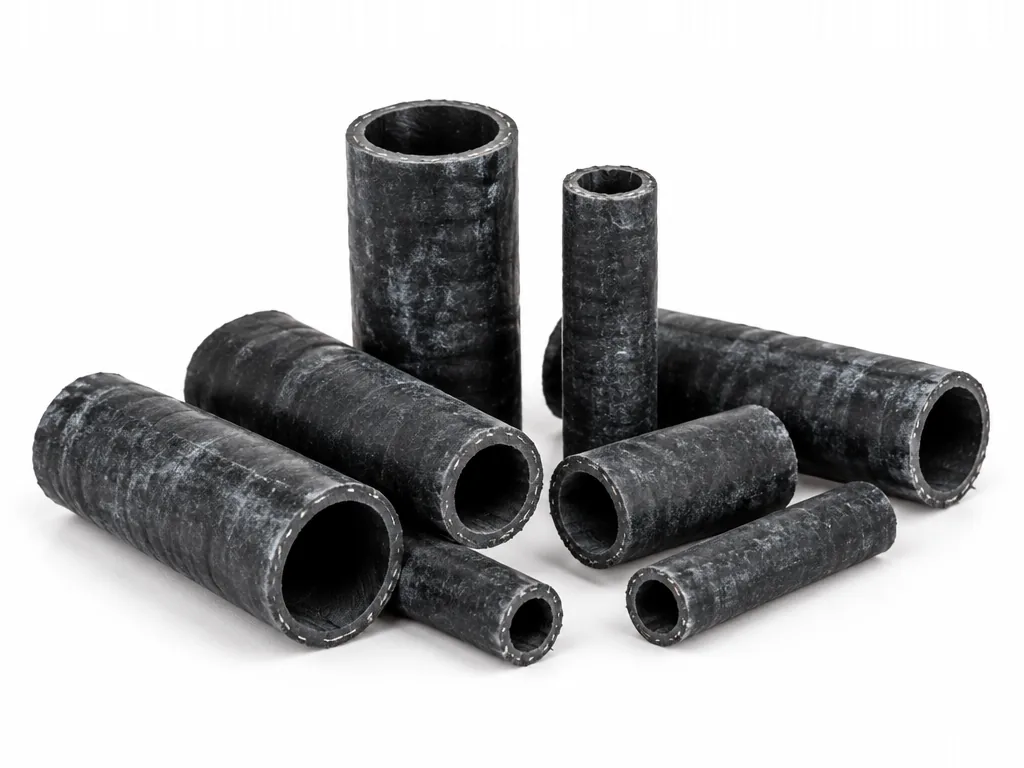
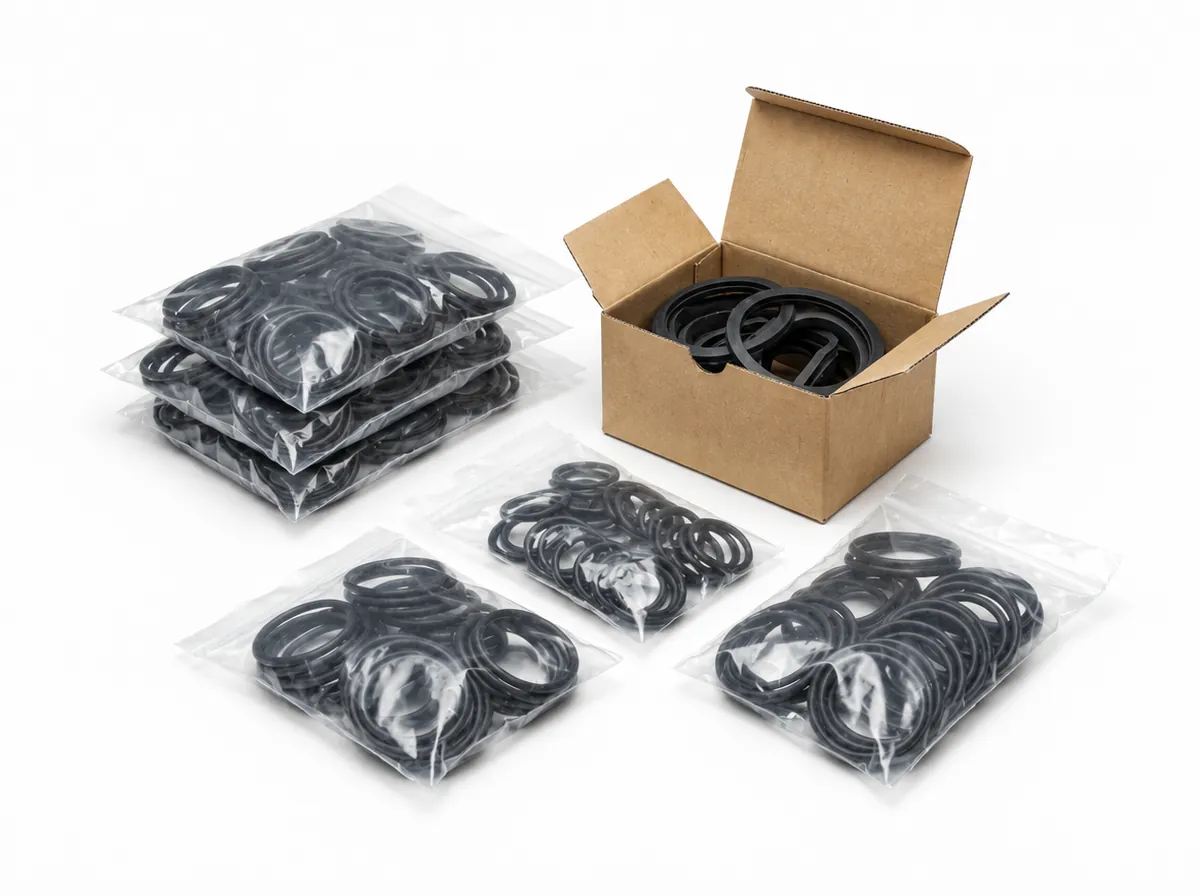
2 productsHose Rings, Crush Seals
View all sealing ringsPunched articles
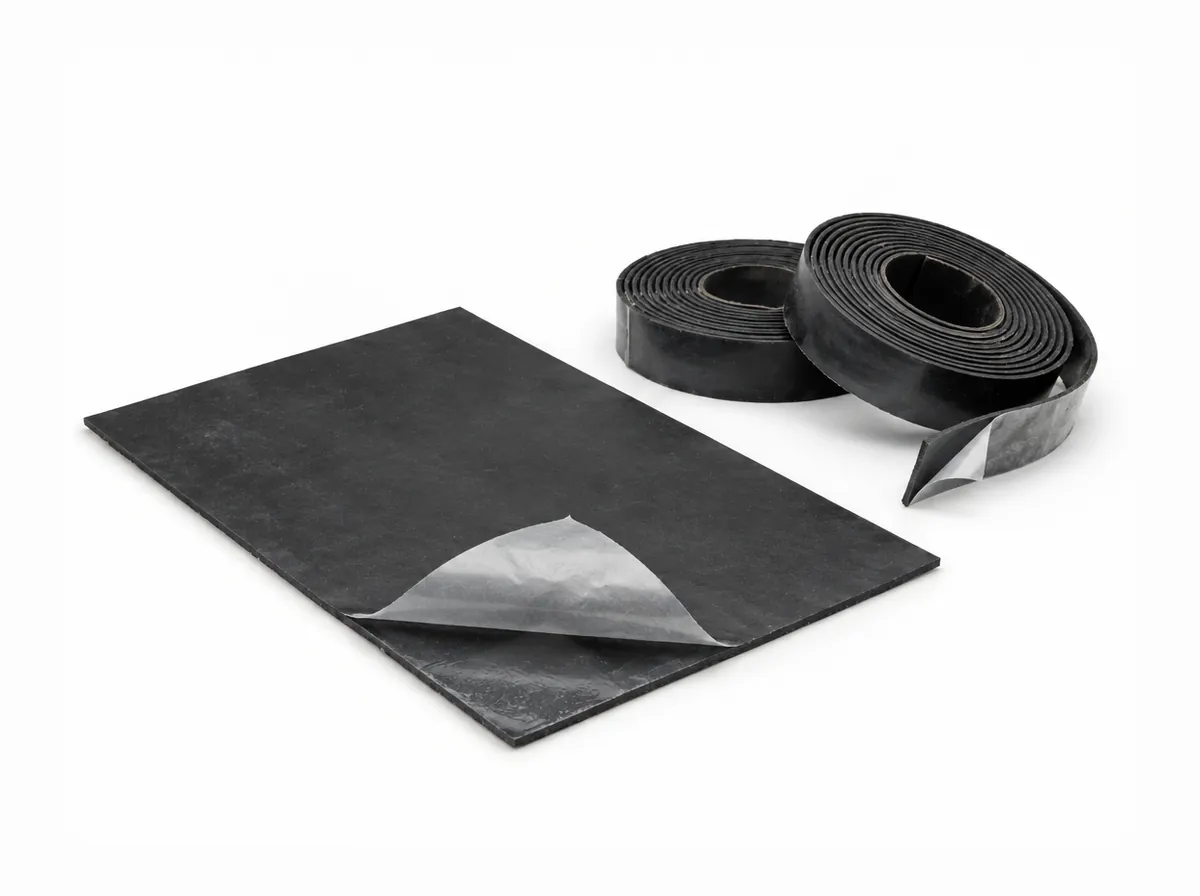
1 productFlat Seals
View all punched articlesMoulded articles
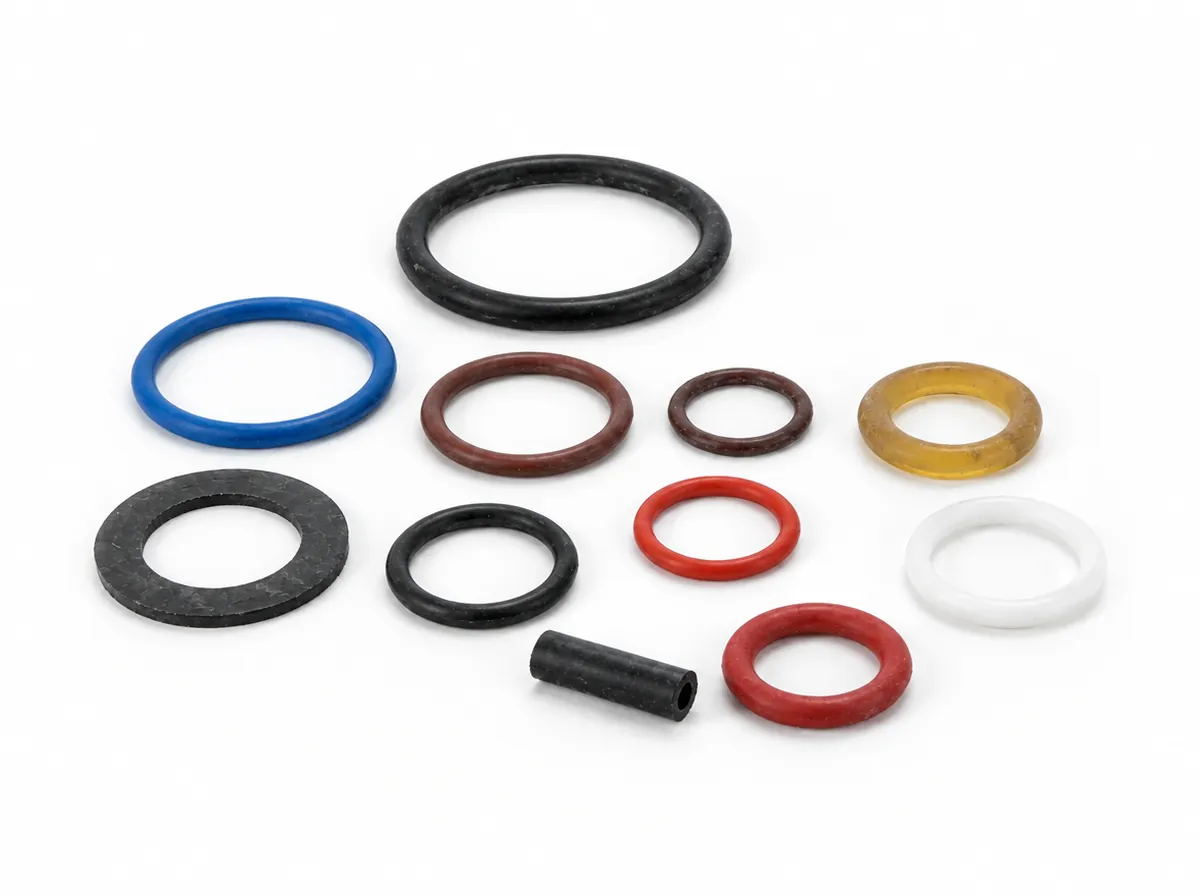
1 productO-Rings
View all moulded articlesWater jet cuts
ServicePrecise cuts from sheet material using pure water or abrasive cutting, without any tooling costs.
View water jet cutsStandards & approvals
Further standards
Cooperation
Seals according to EN 682?
Tell us the application, medium and required standard. We will recommend the right material and the appropriate approval.