






Standard & approval
ELL – Elastomer Guideline
Elastomer Guideline, superseded by KTW-BWGL since 1 July 2026
The ELL (the German Environment Agency's (UBA) Elastomer Guideline) was Germany's authoritative basis for the hygienic assessment of elastomers in contact with drinking water. Since 1 July 2026, assessment has been carried out under the KTW-BWGL.
Field
Drinking water
Status
superseded since 1 July 2026
Elastomers
Annex D
Testing
Migration & sensory
Overview
The Elastomer Guideline (ELL), also known as the UBA Elastomer Guideline, was Germany’s authoritative basis for the hygienic assessment of elastomers in contact with drinking water. Since 1 July 2026, assessment has been carried out under the KTW-BWGL.
What does ELL (Elastomer Guideline) stand for?
The Elastomer Guideline governed the selection and testing of elastomers (e.g. EPDM, NBR, FKM/FPM) in contact with drinking water. It defined test media and migration and sensory requirements to protect odour, taste and health.
Which of our products require the assessment?
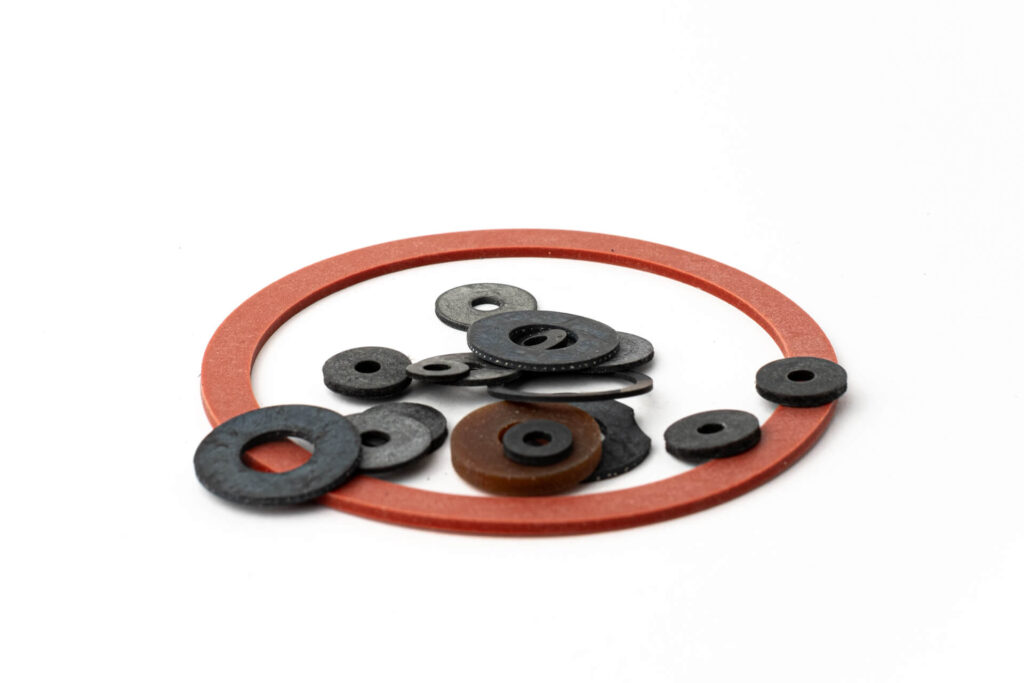
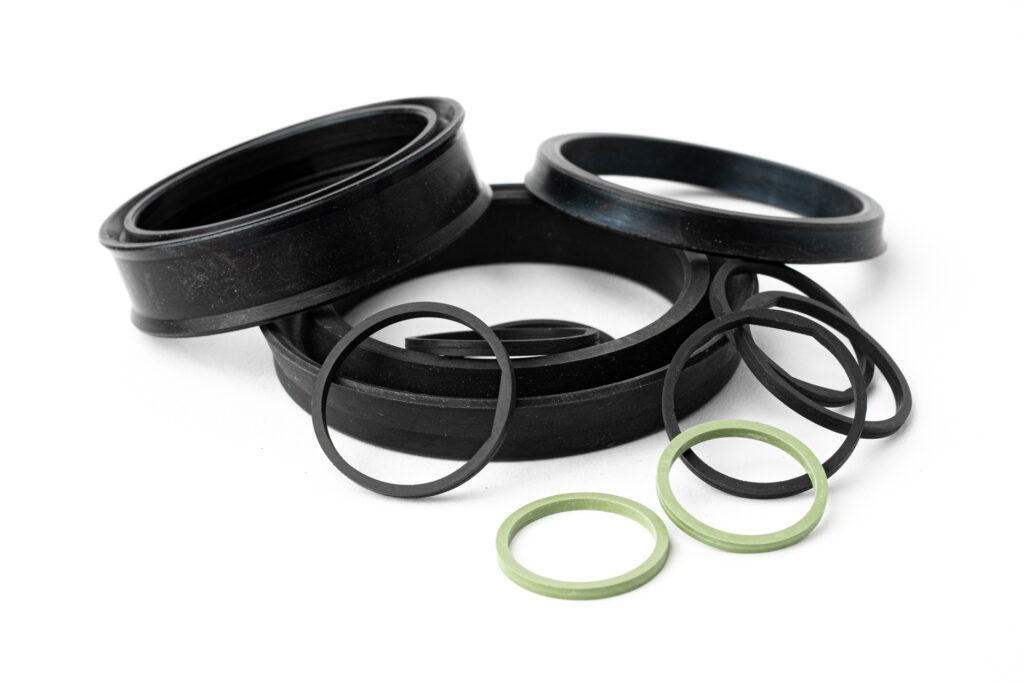
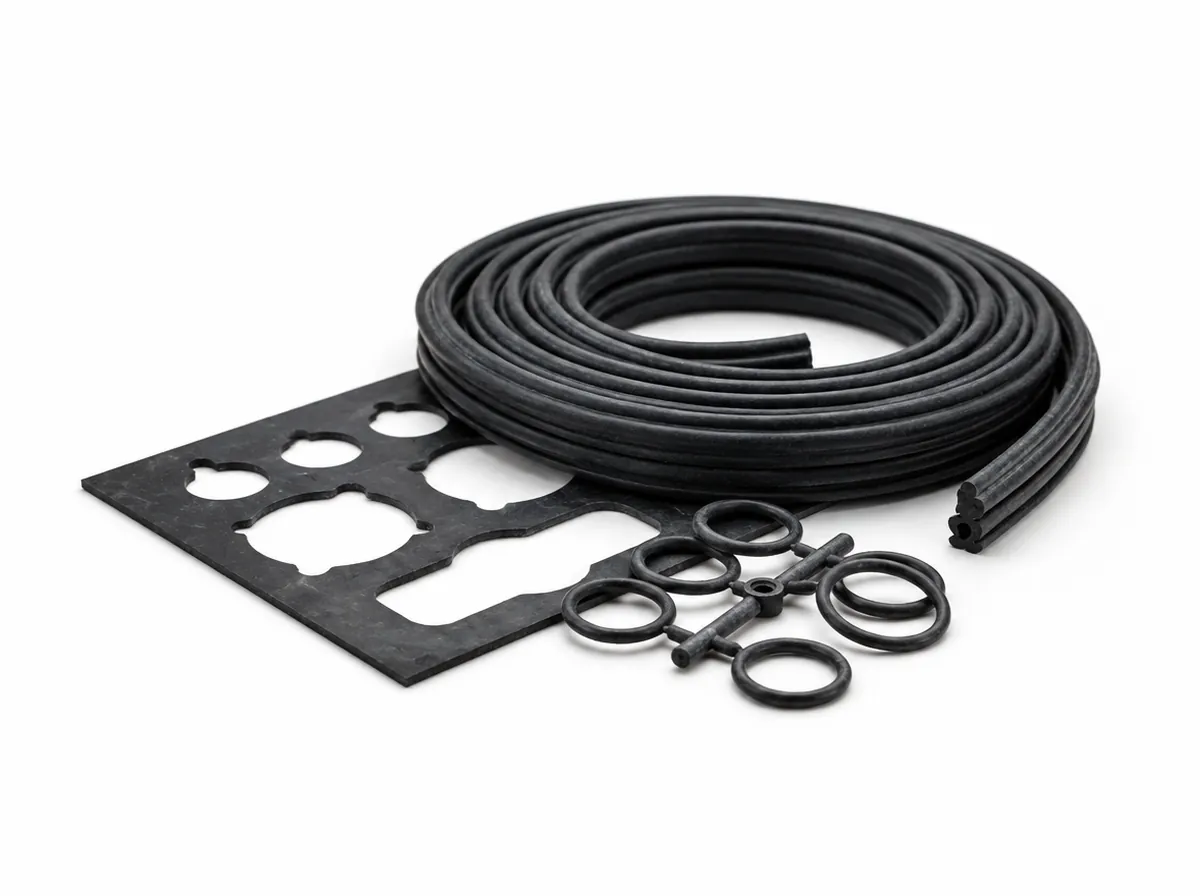
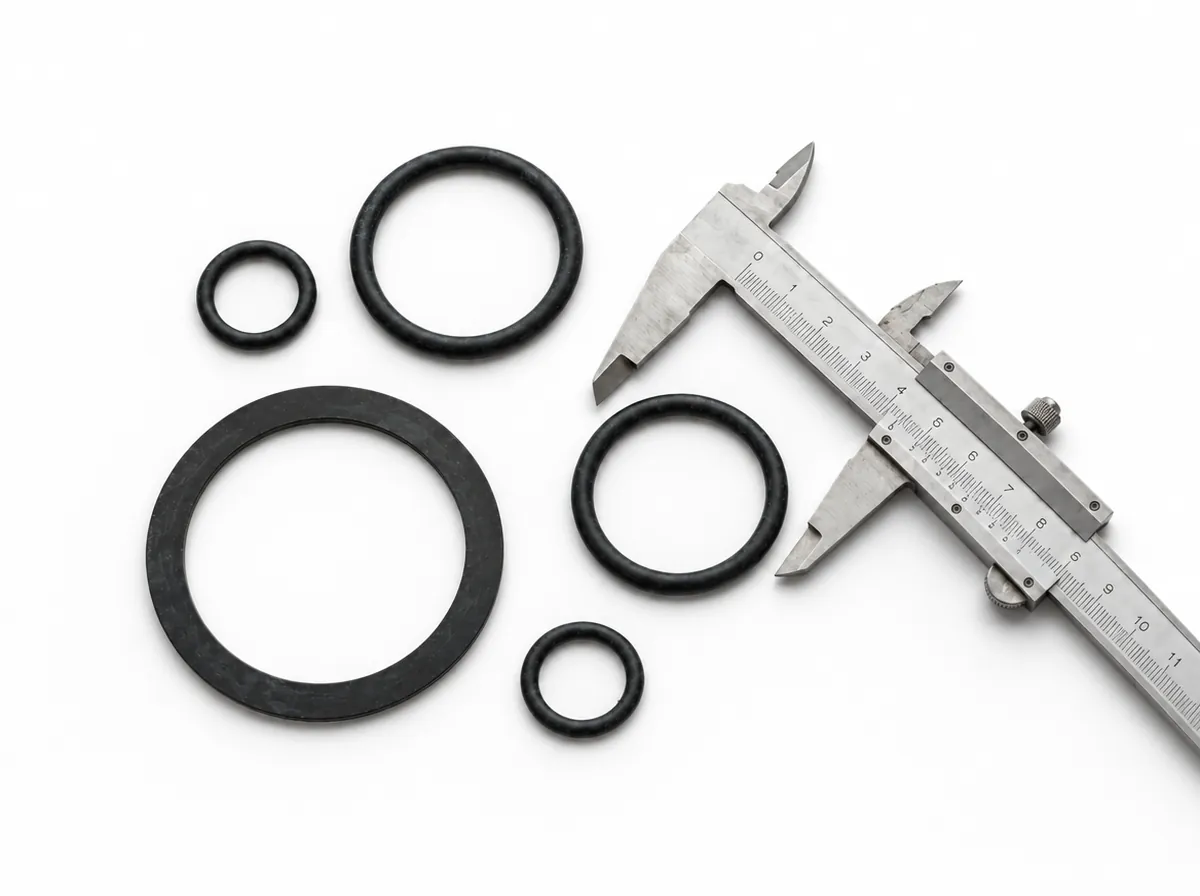
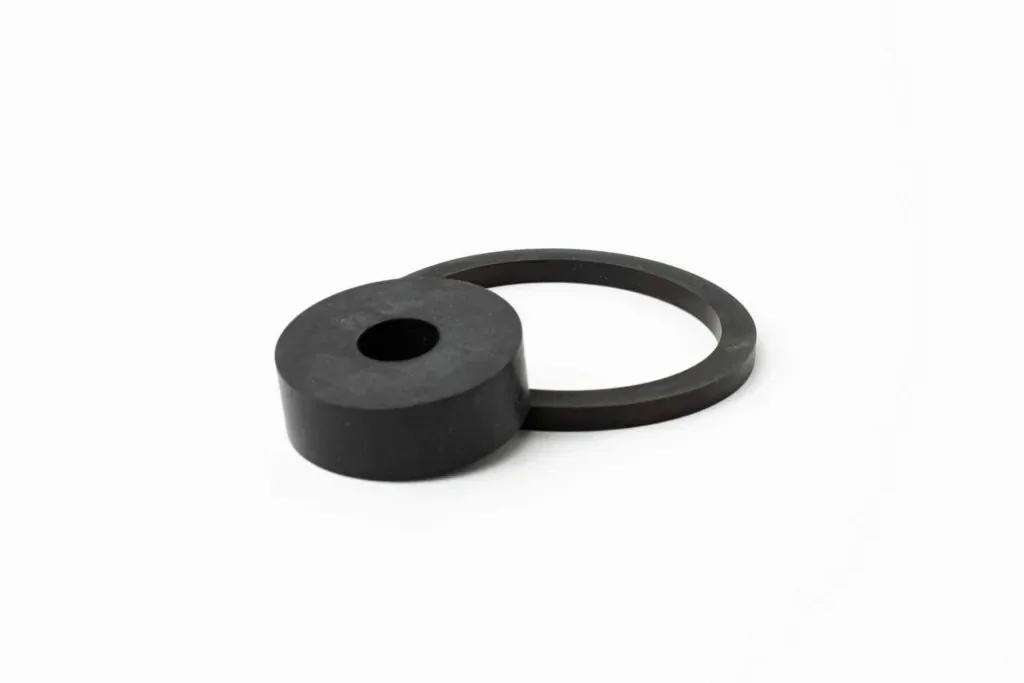
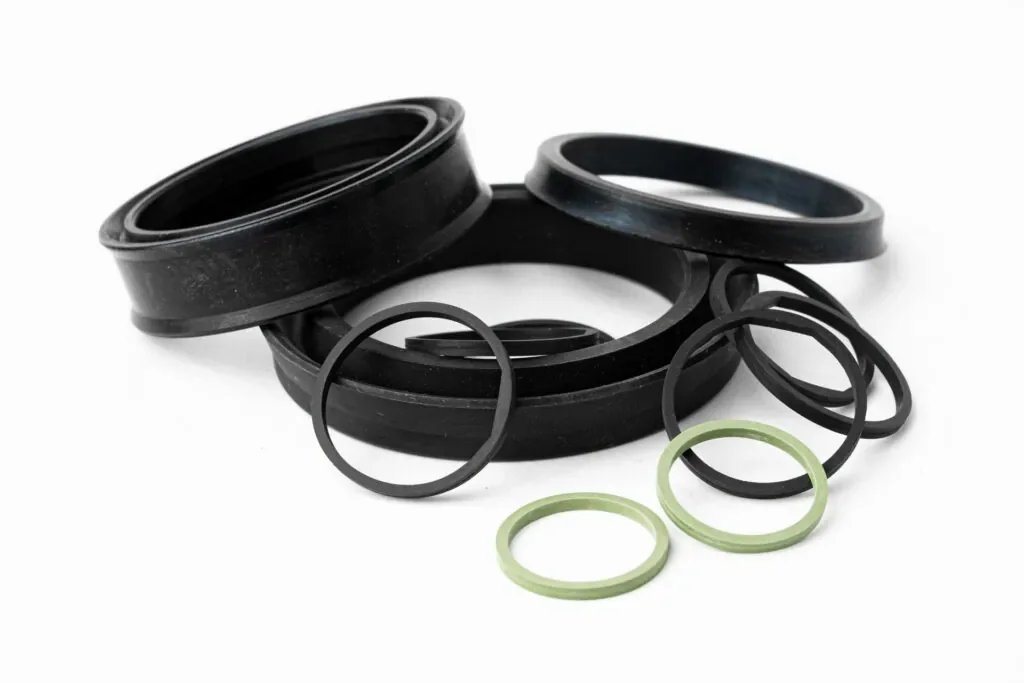
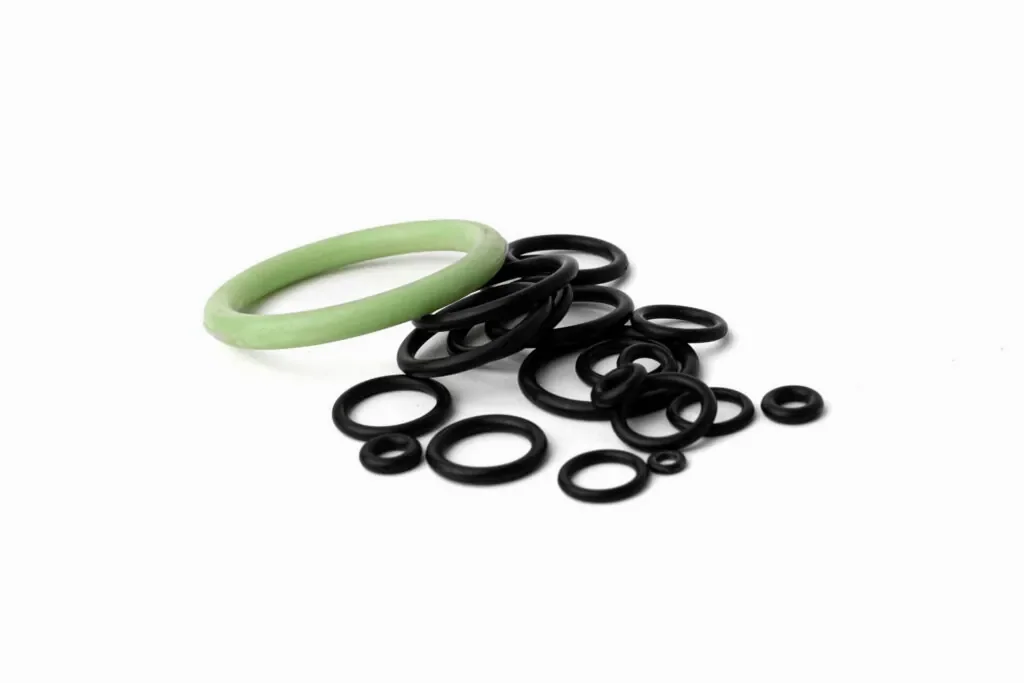
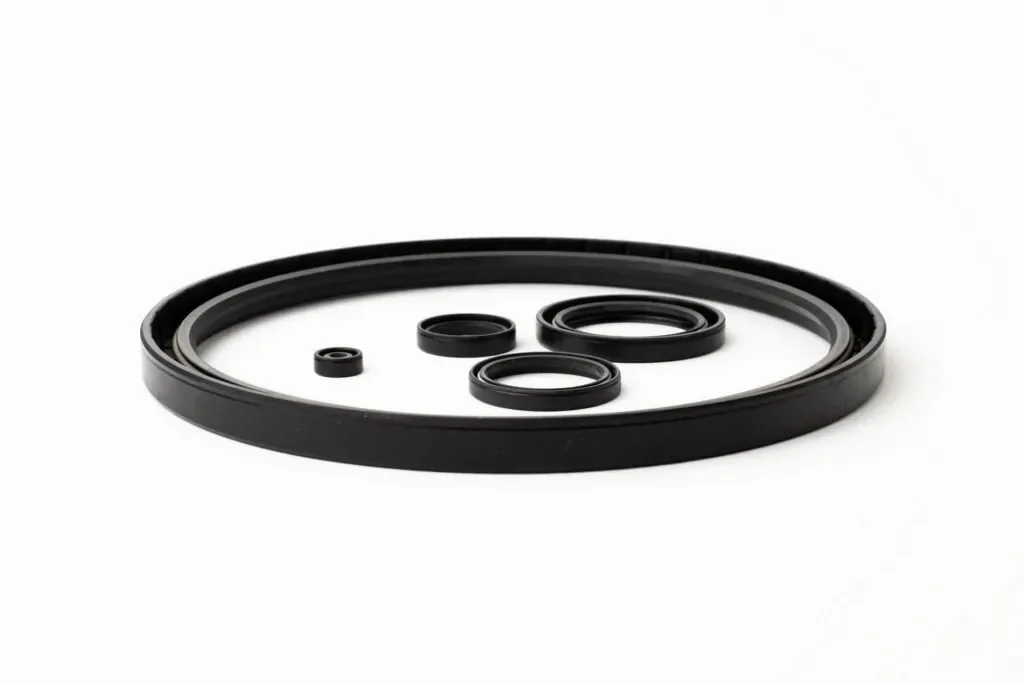
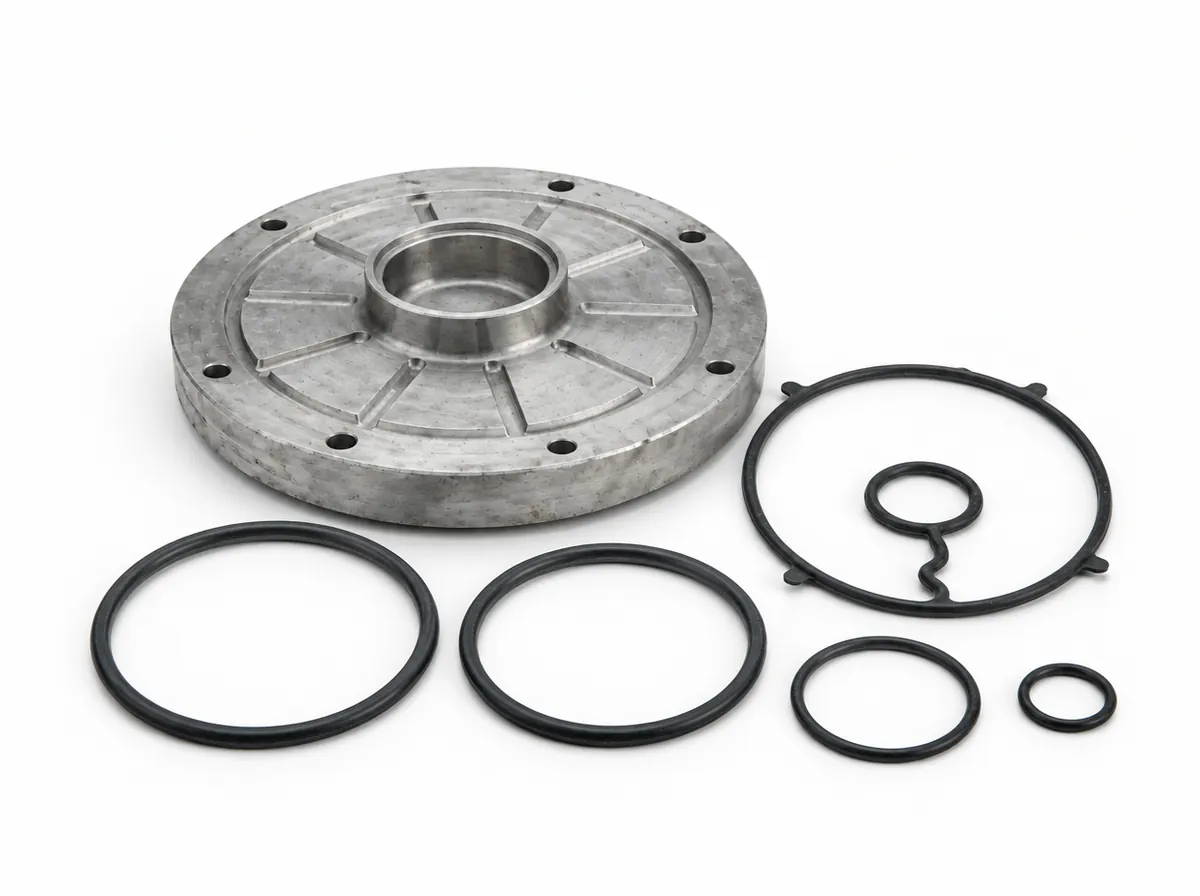
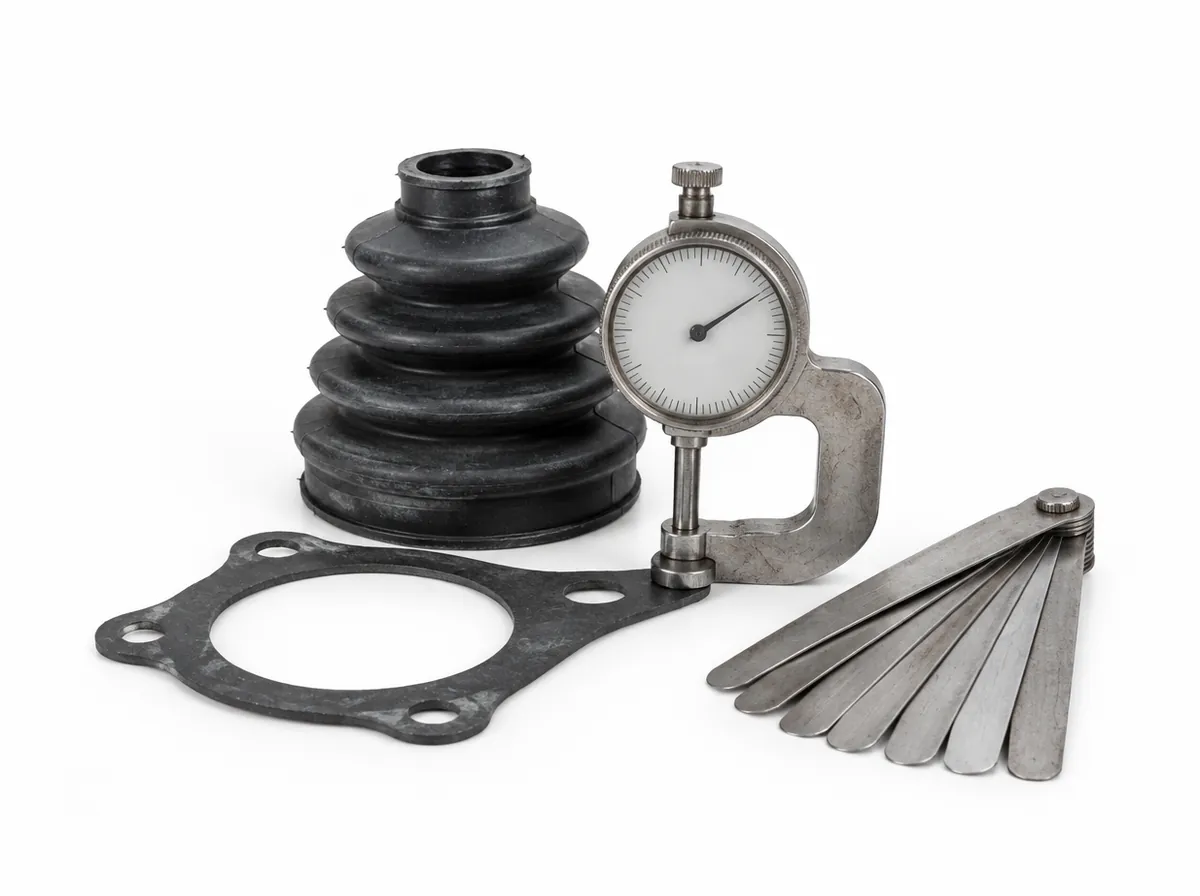
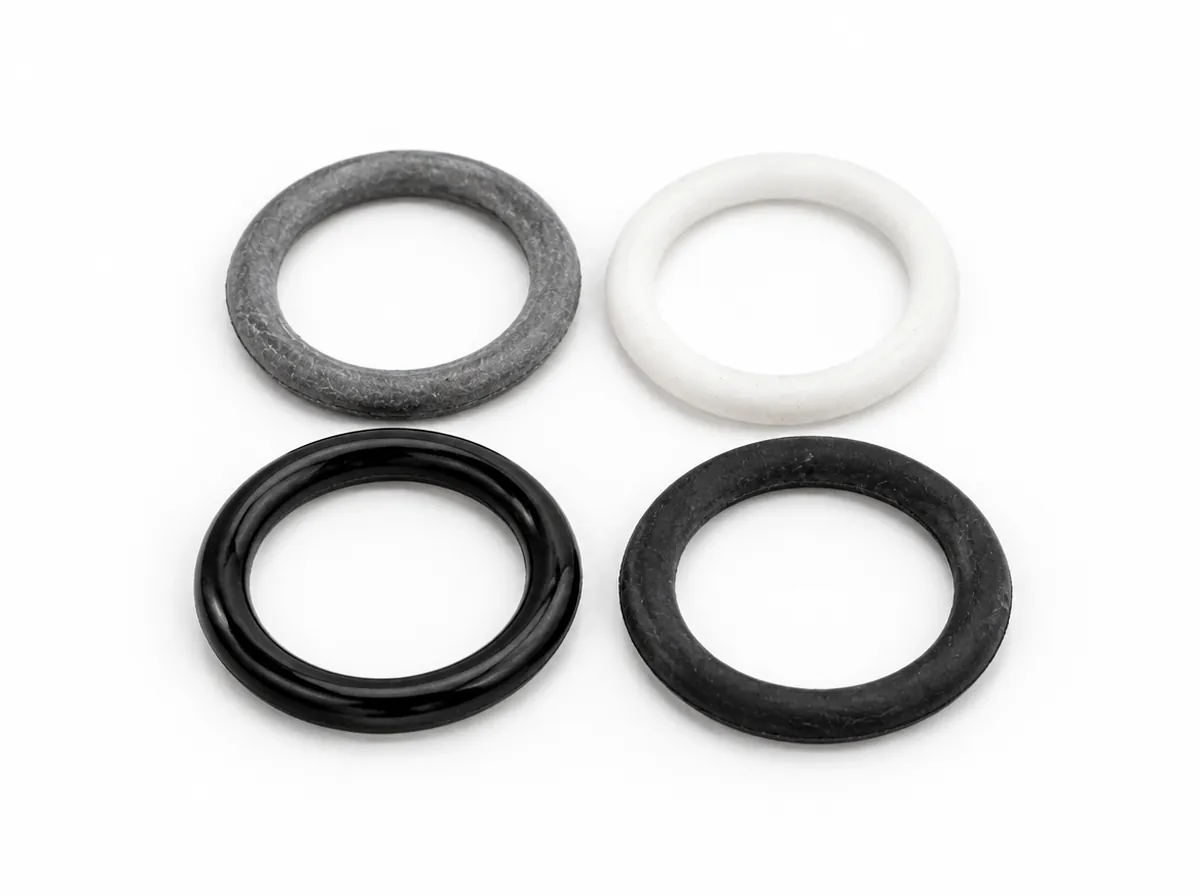
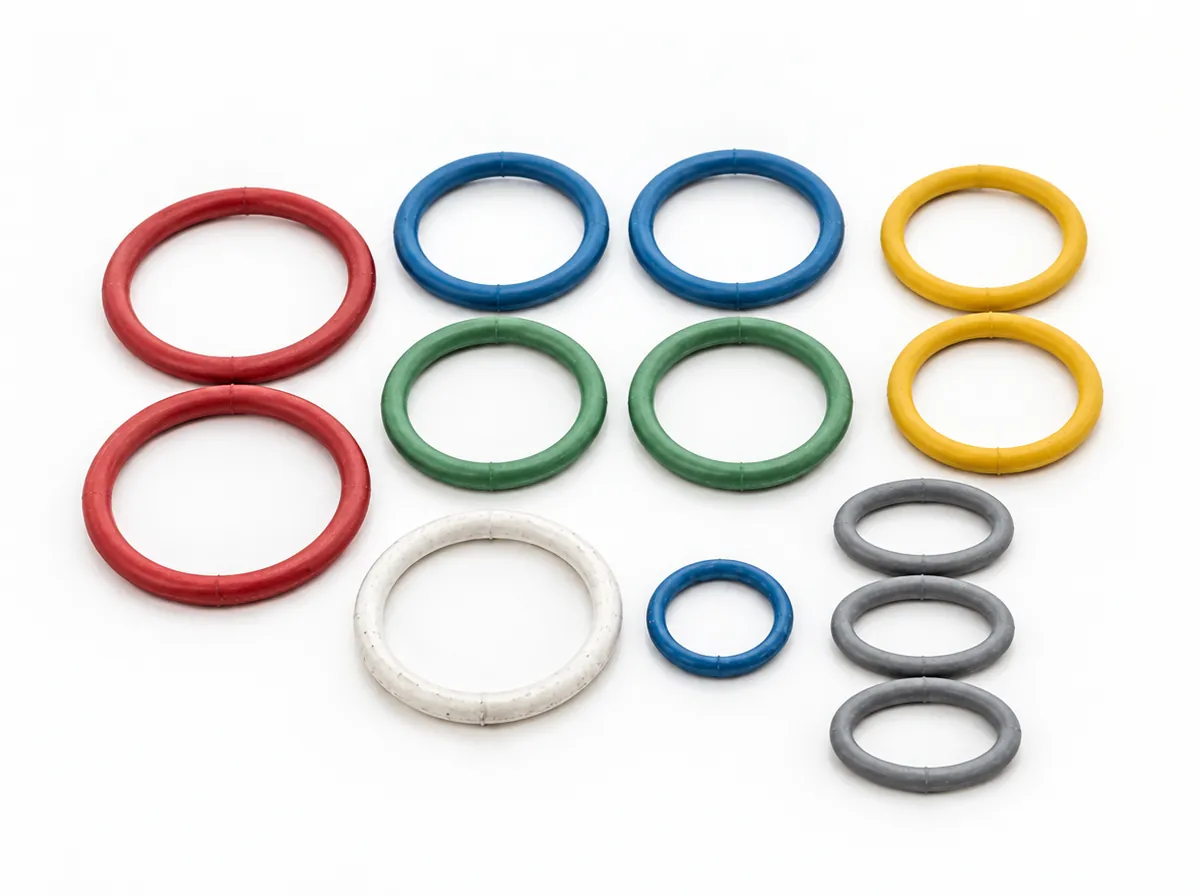
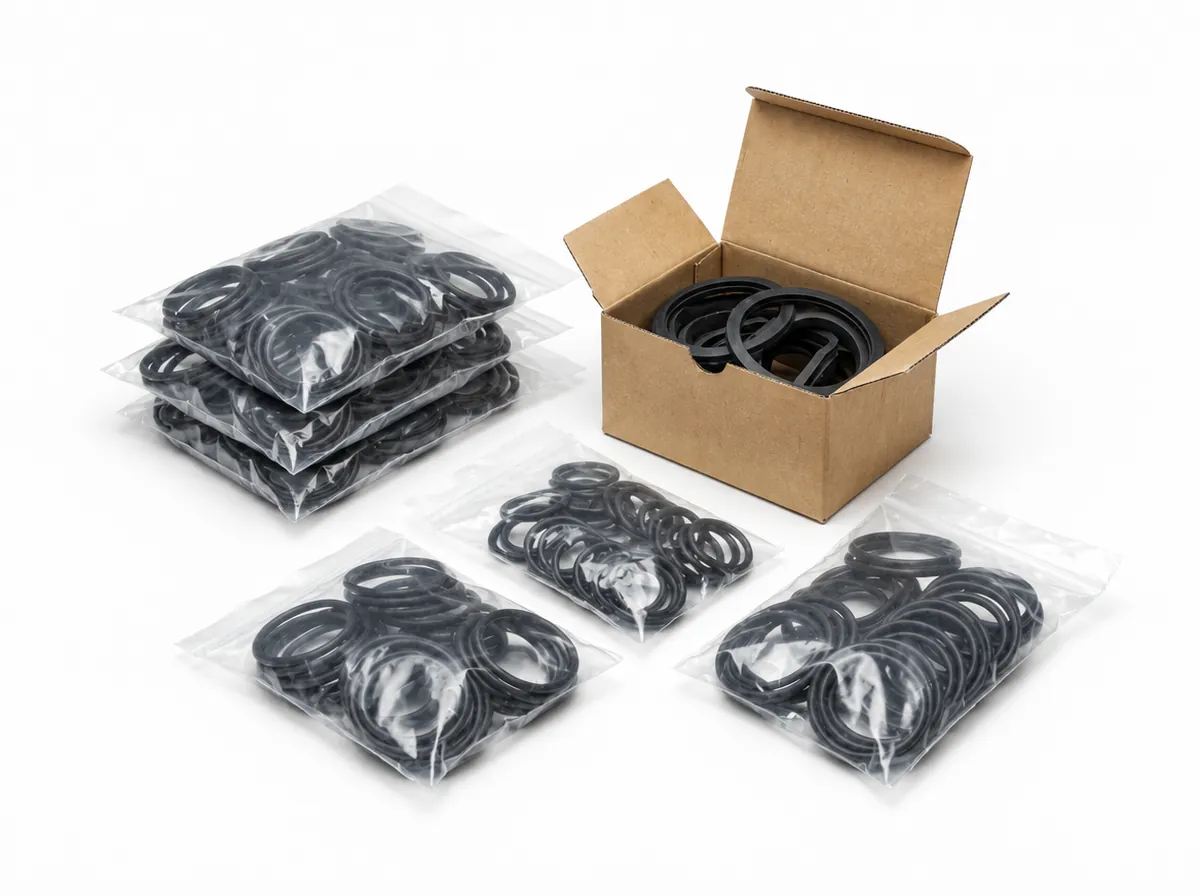
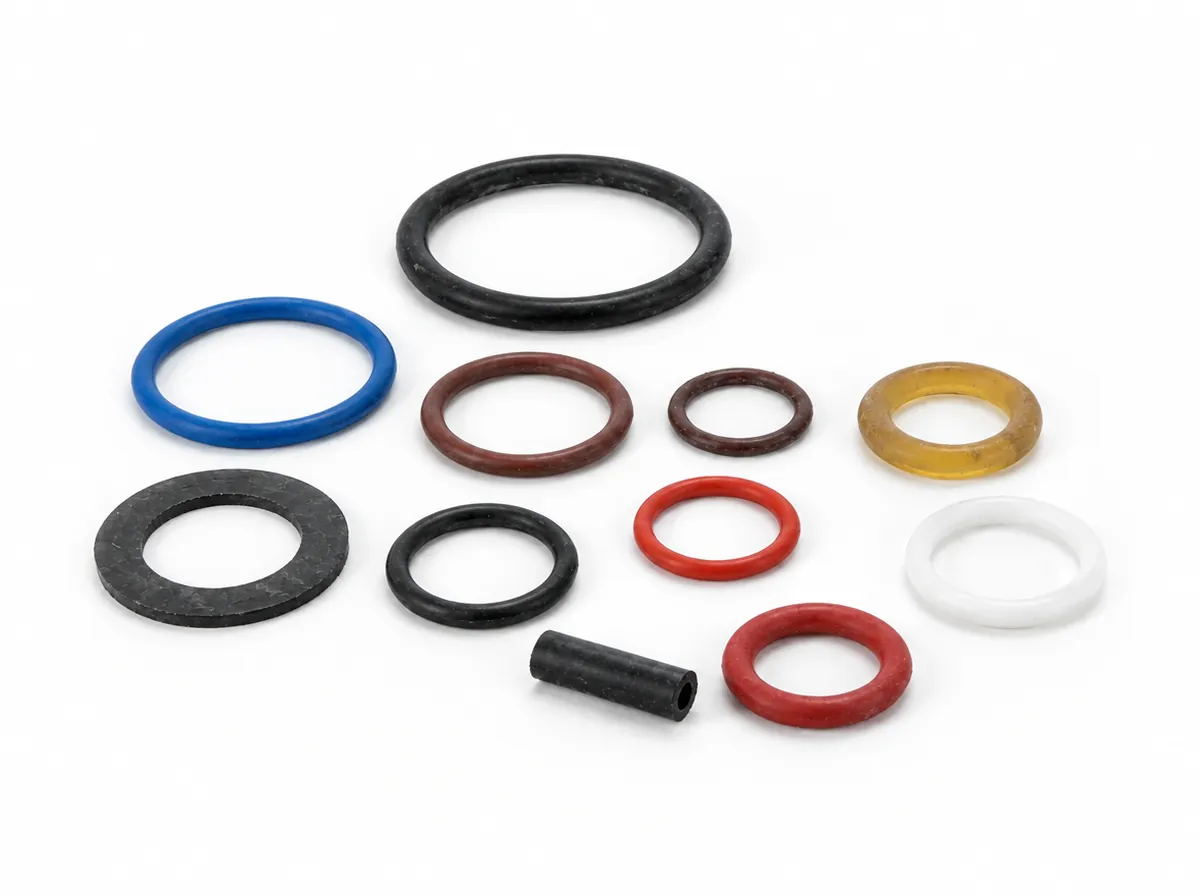
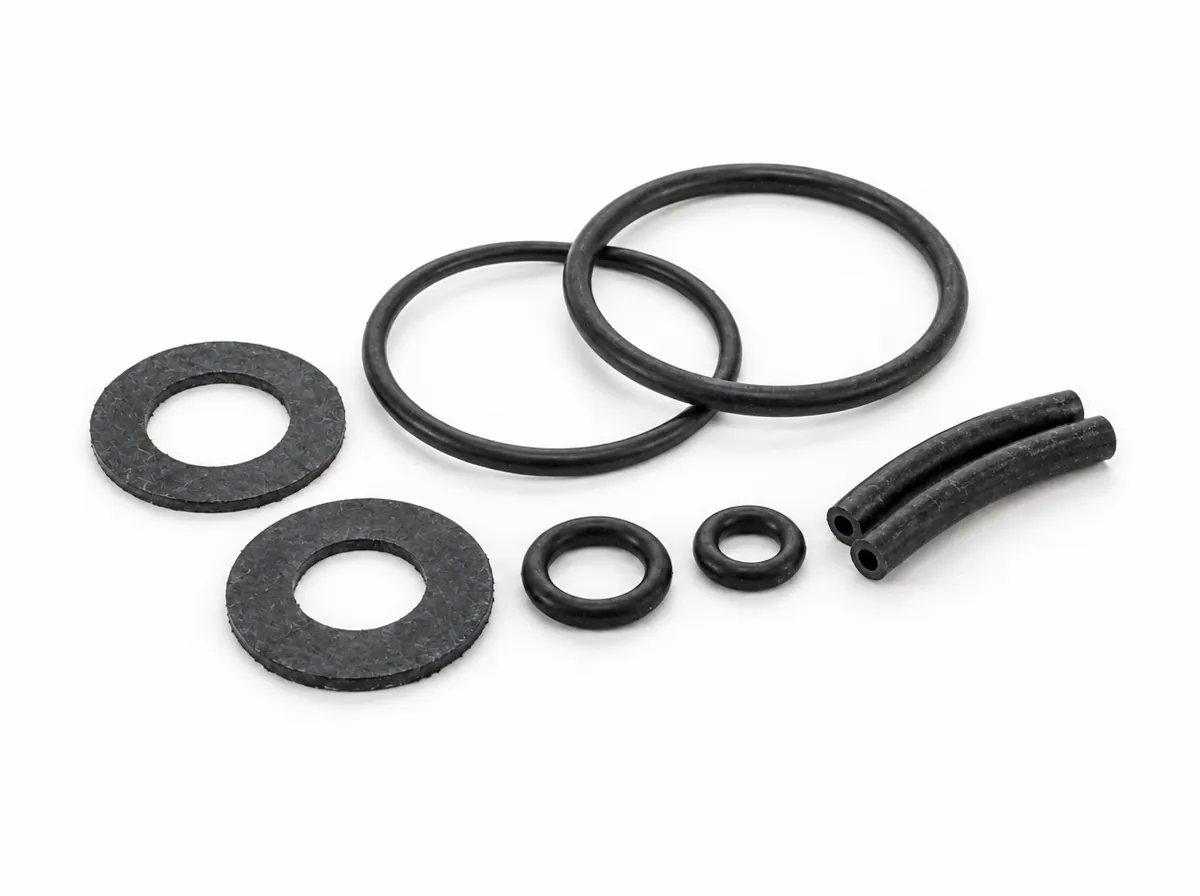
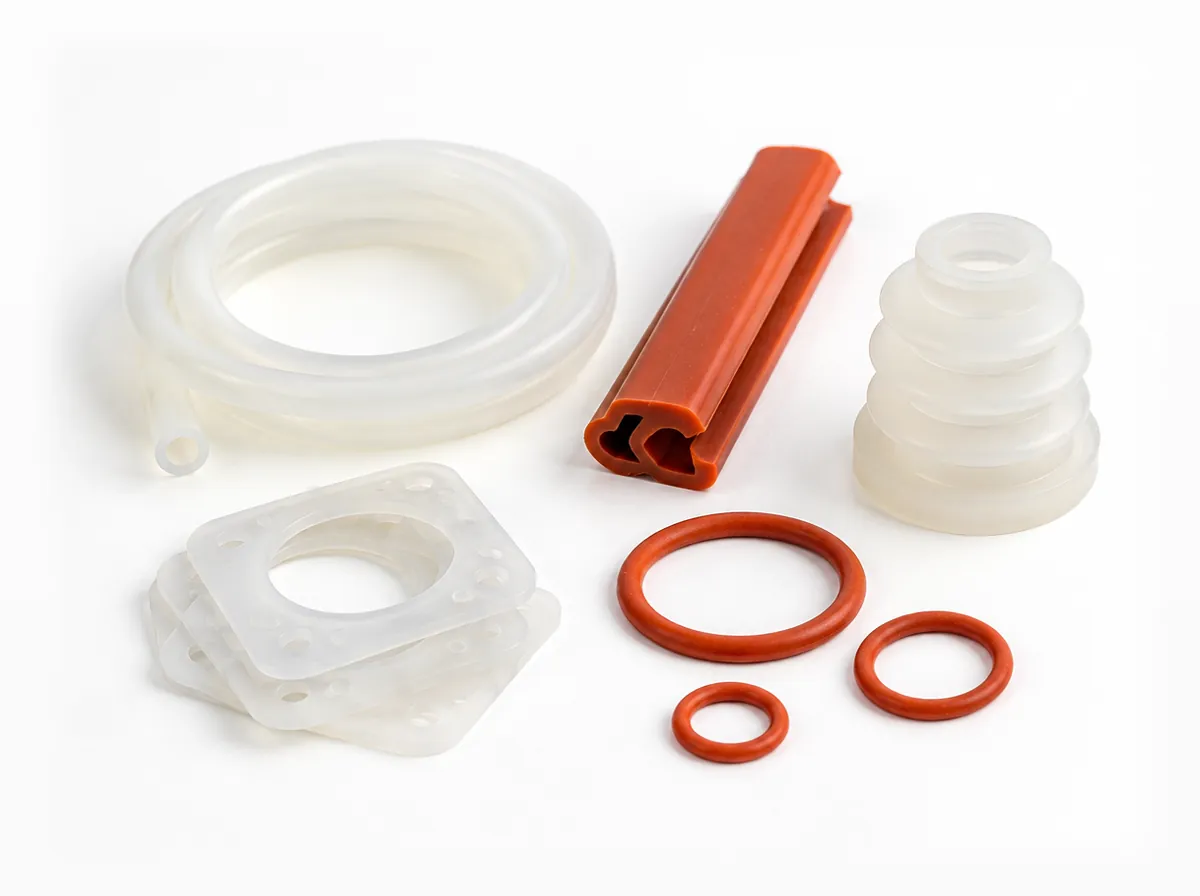
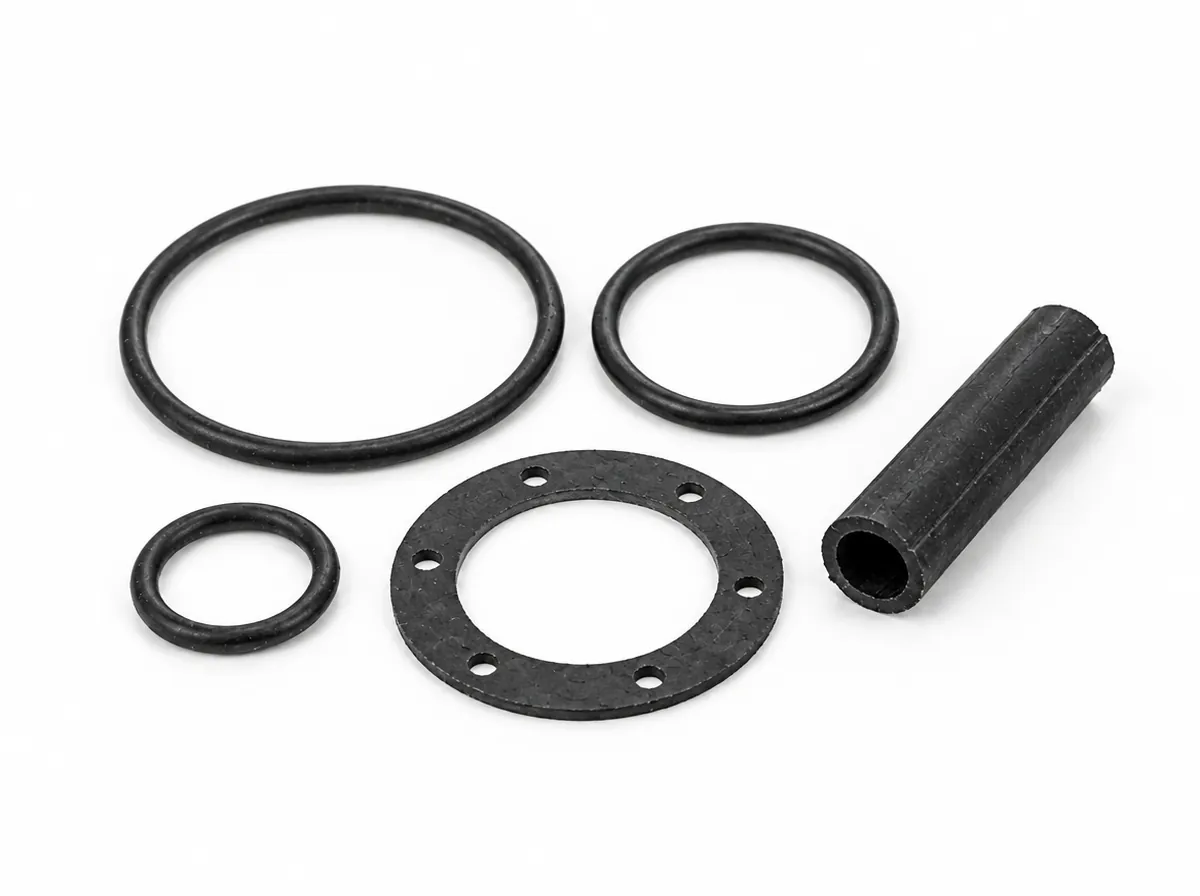
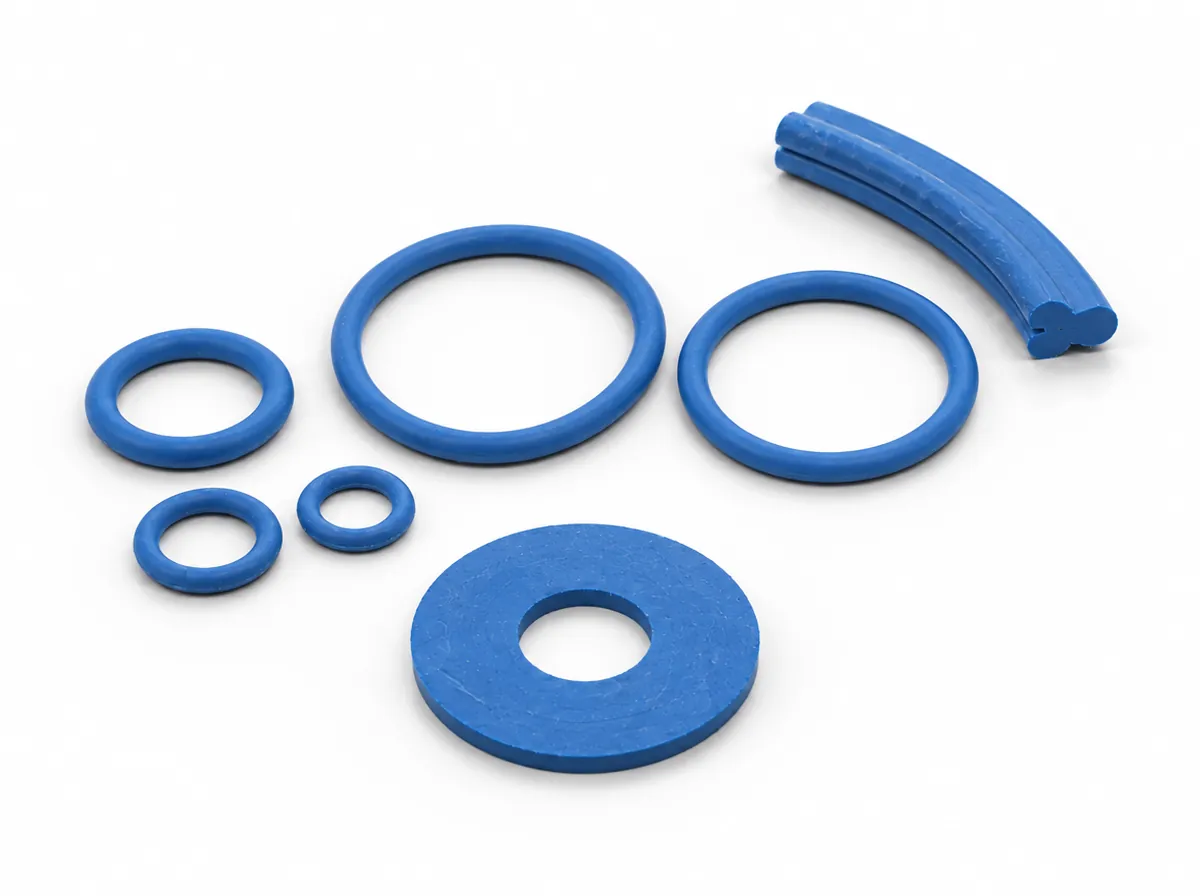
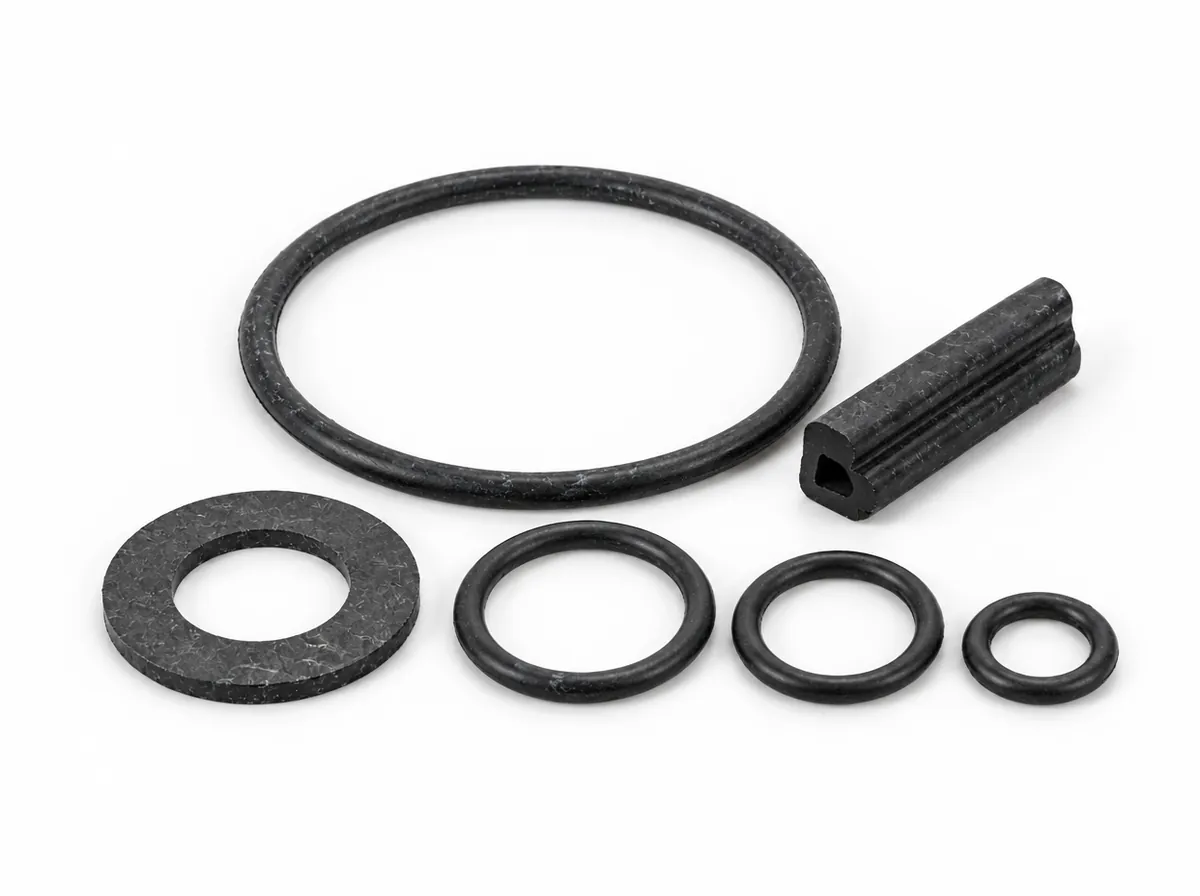
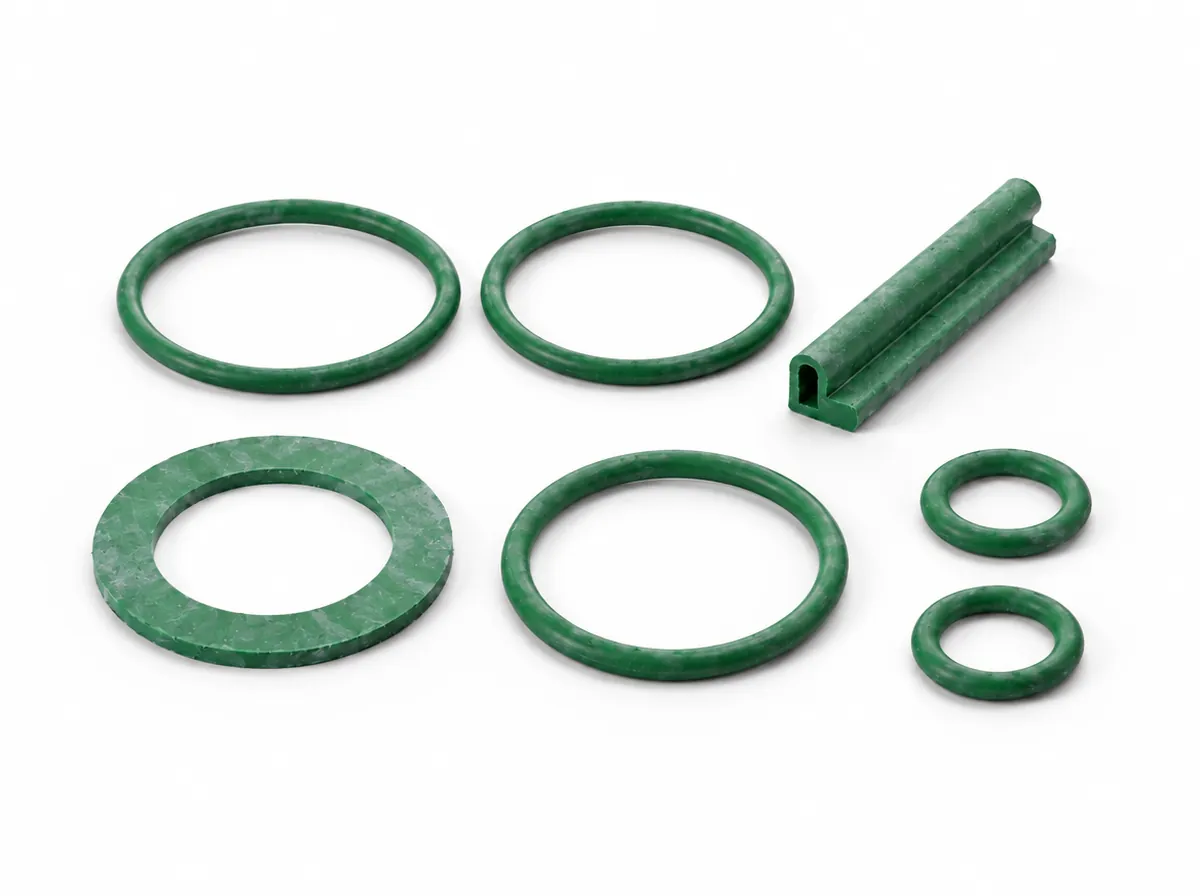
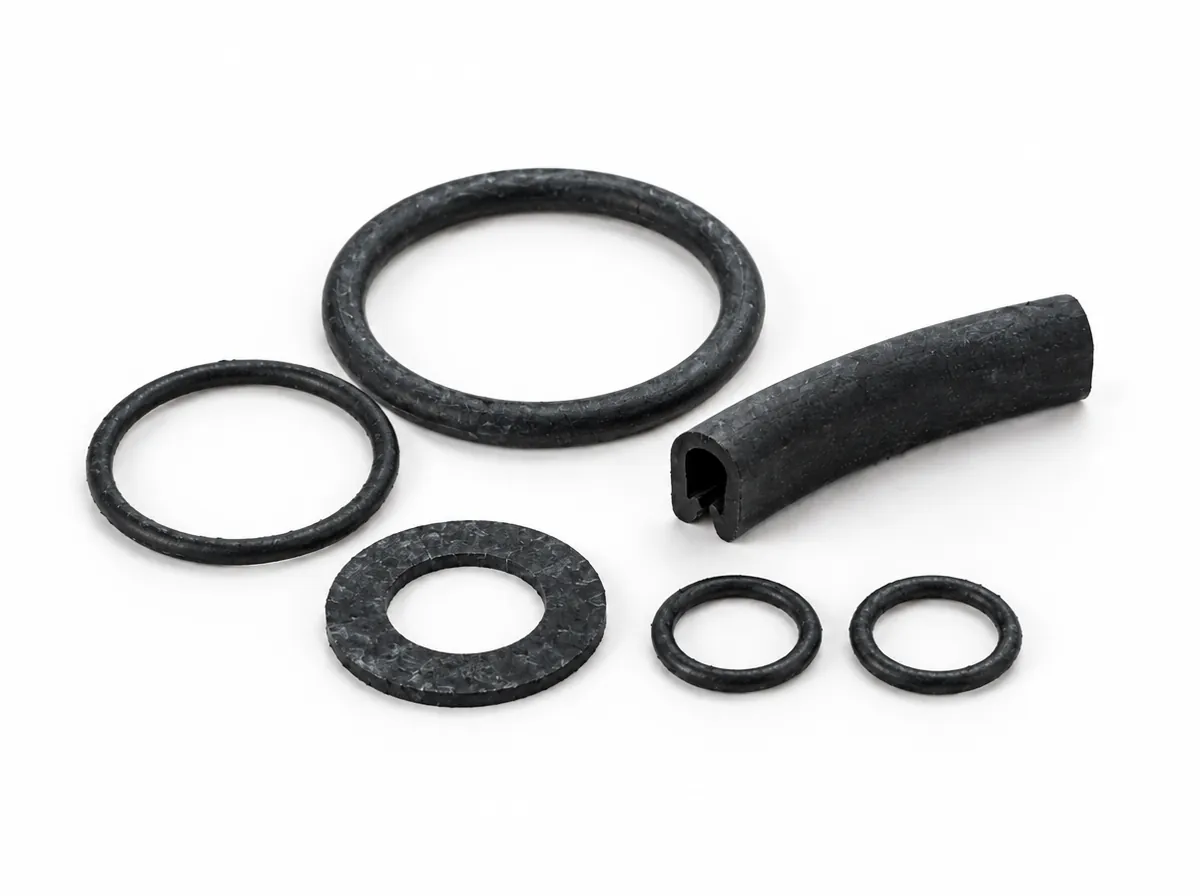
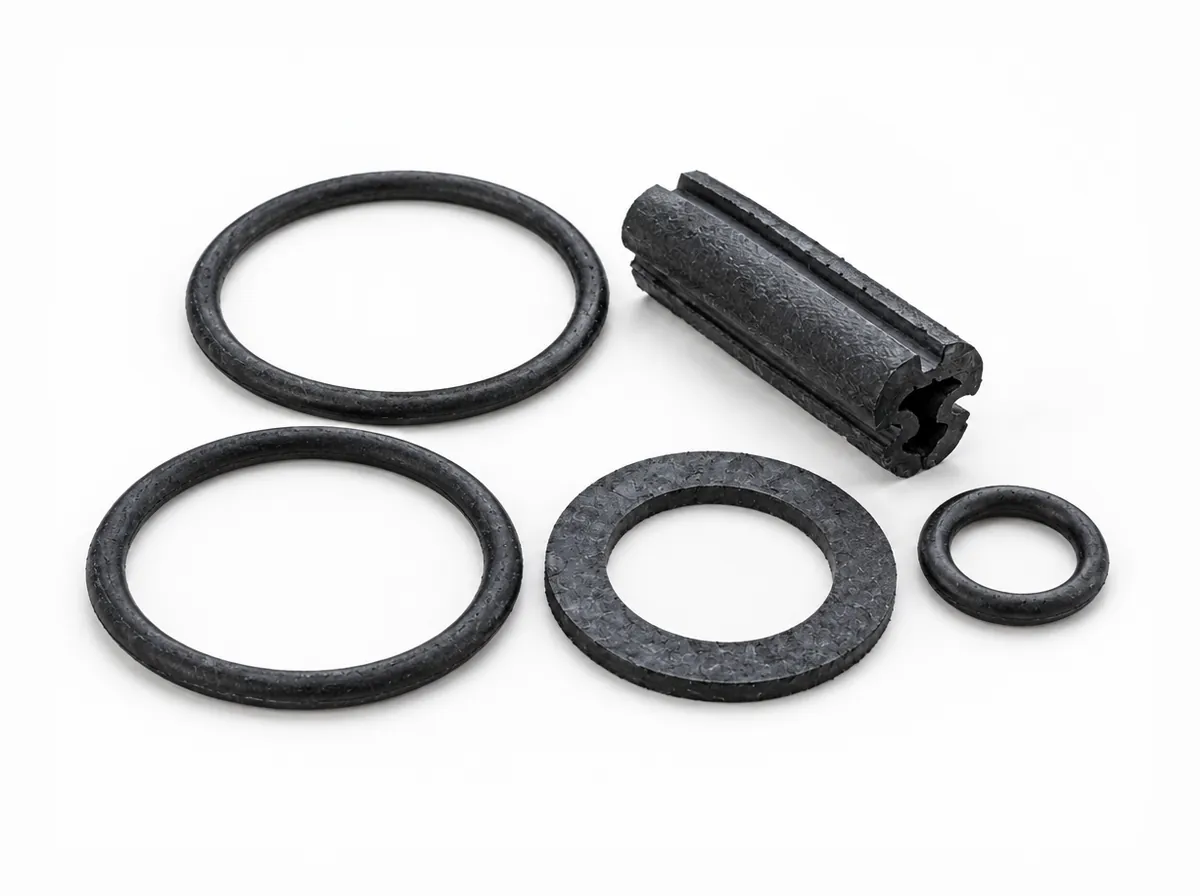
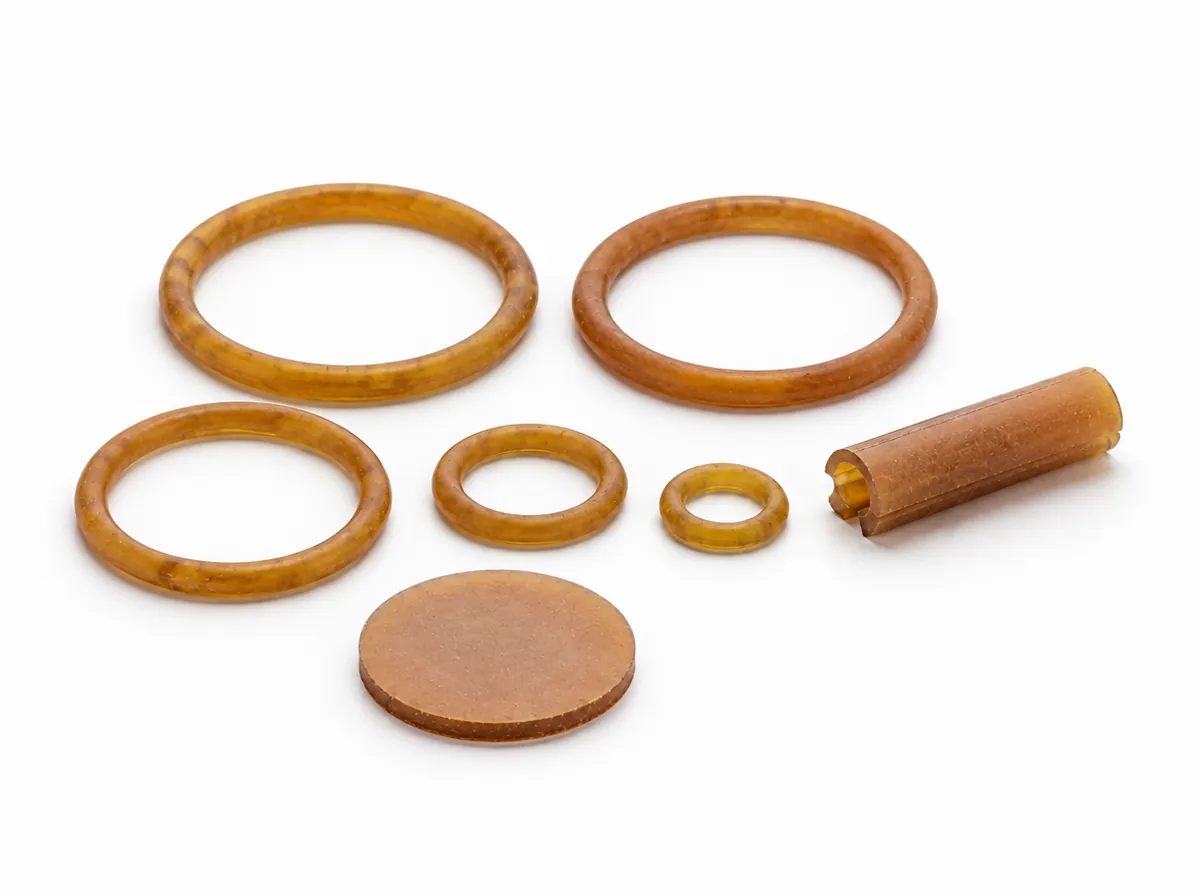
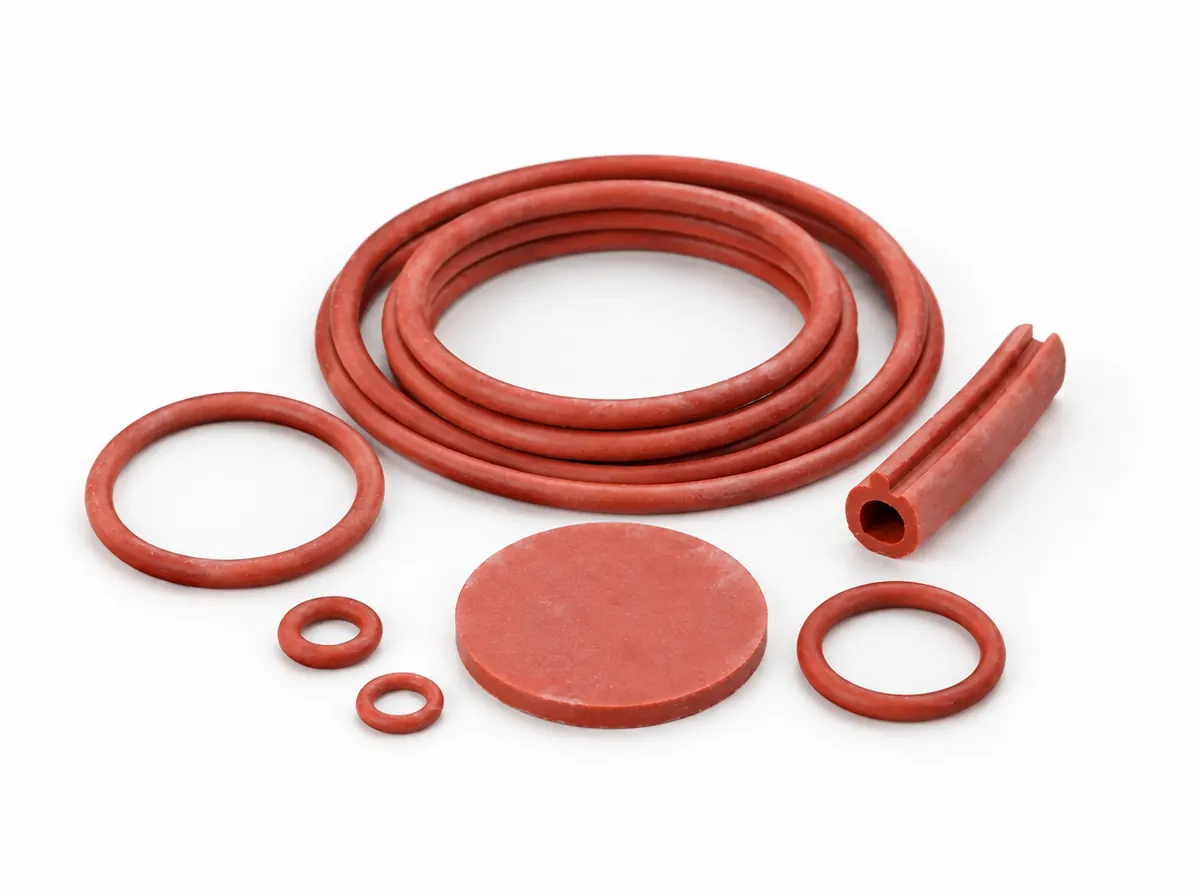
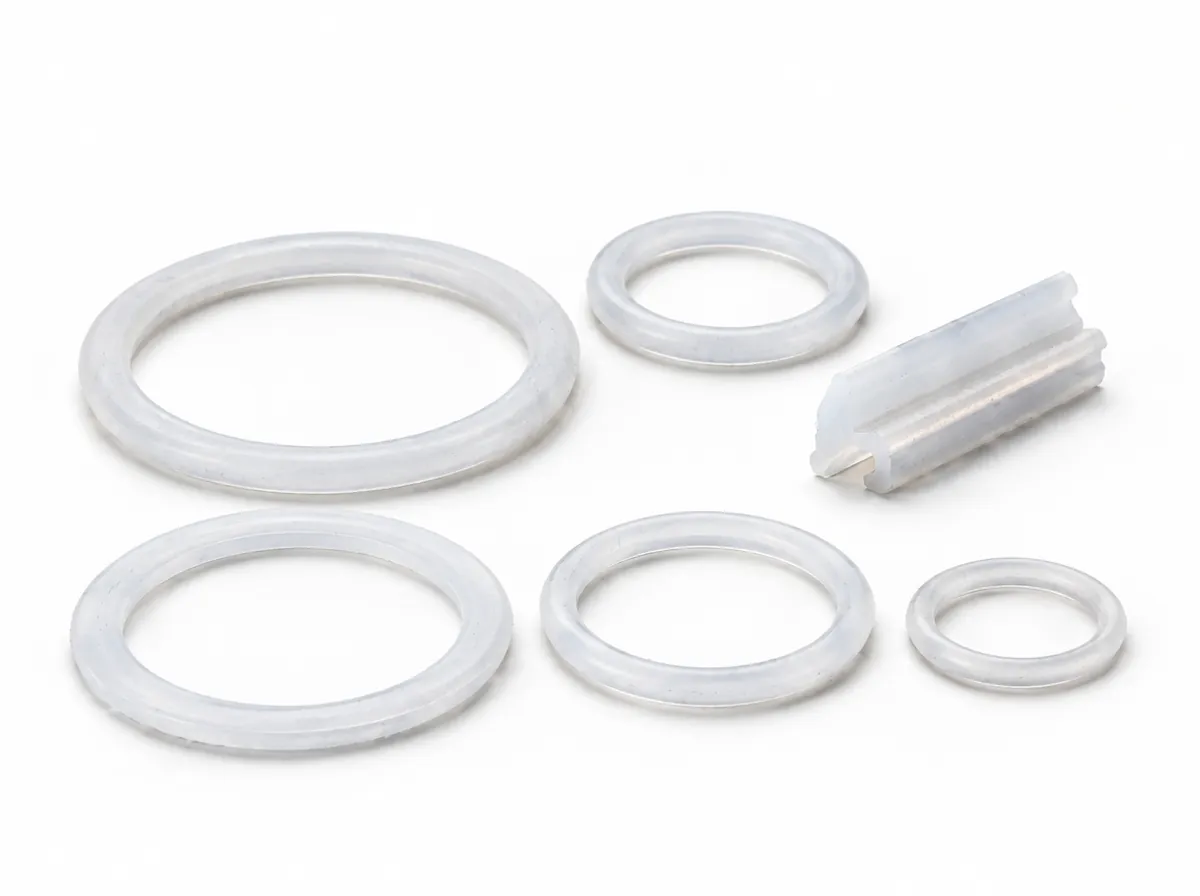
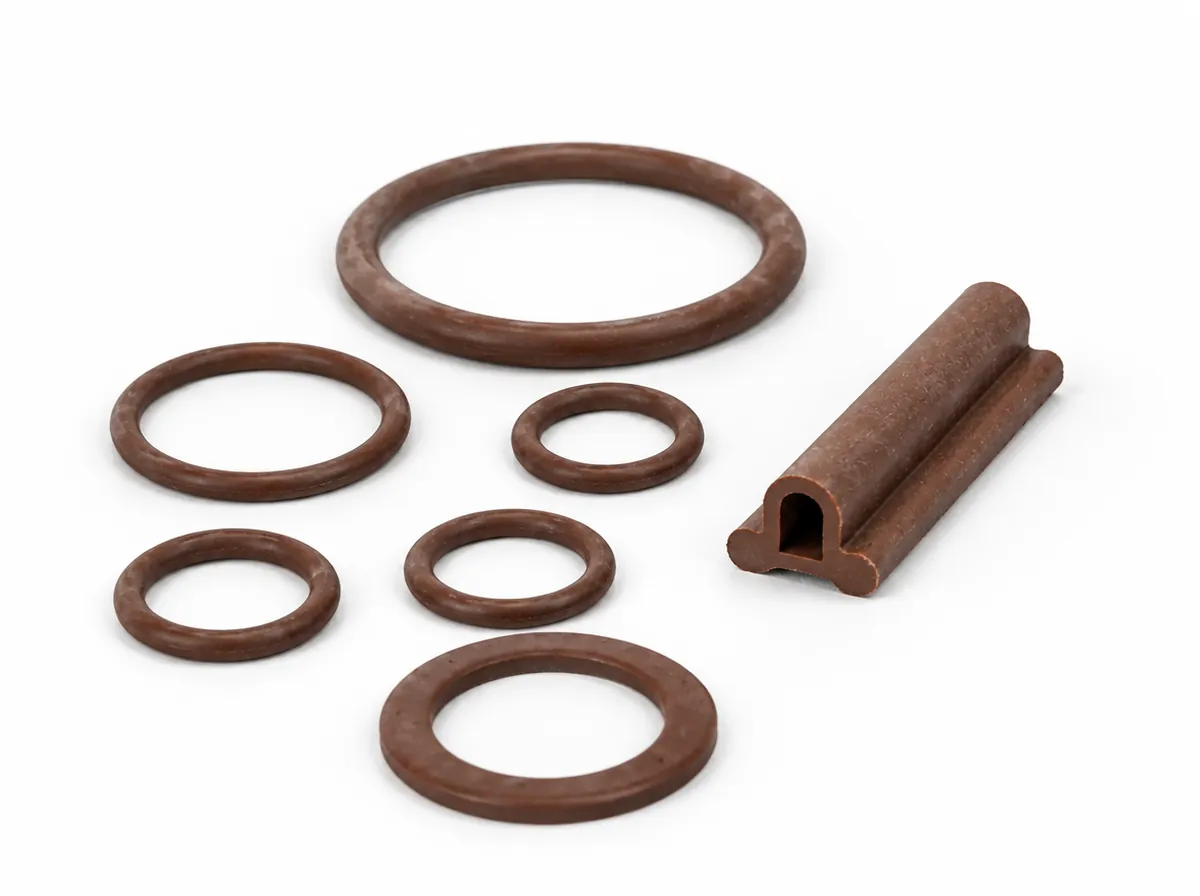
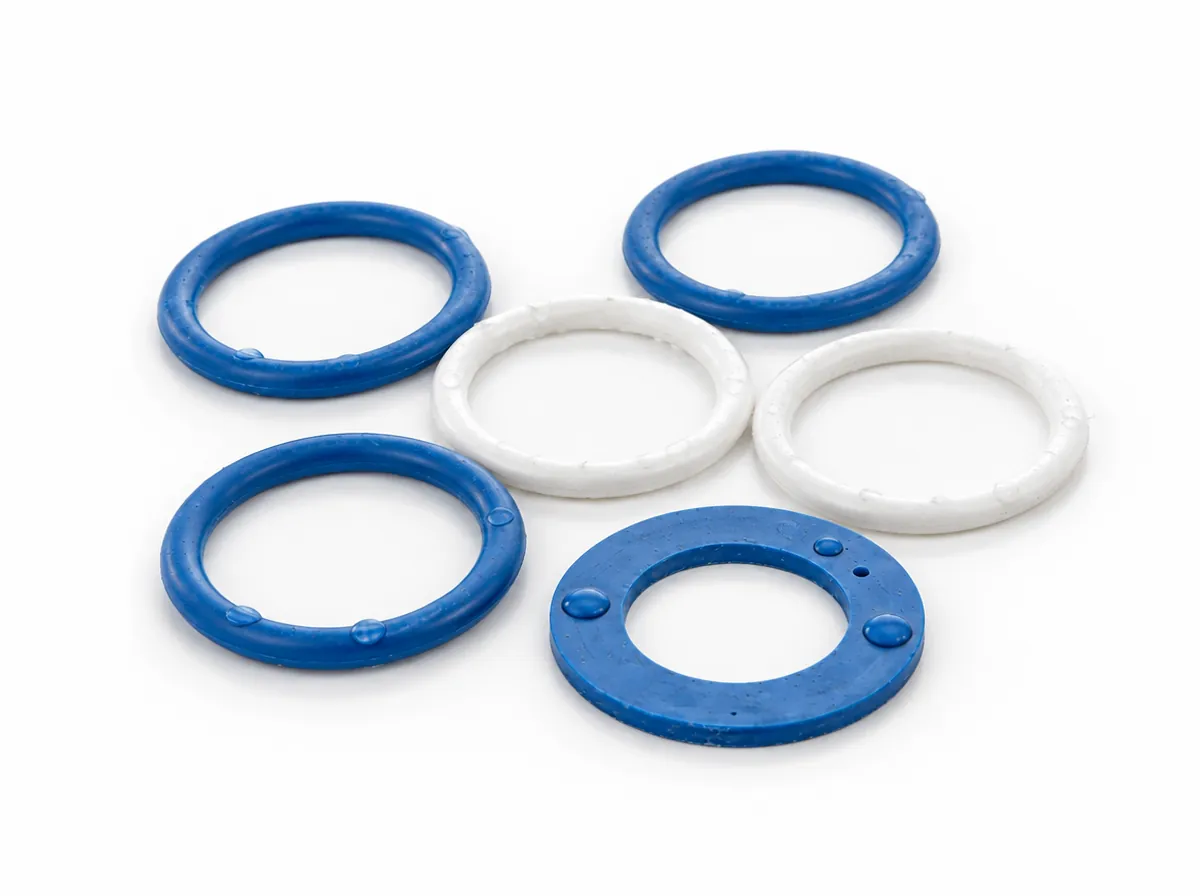
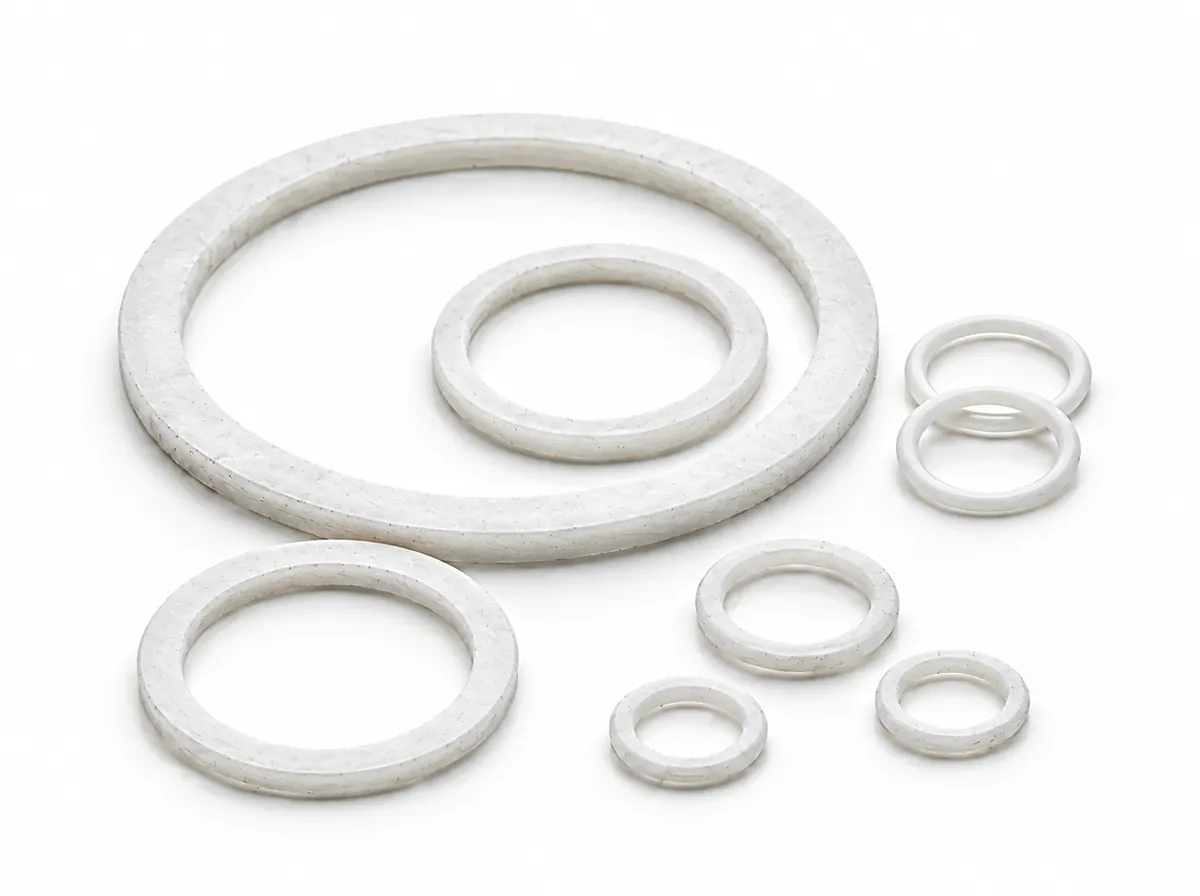
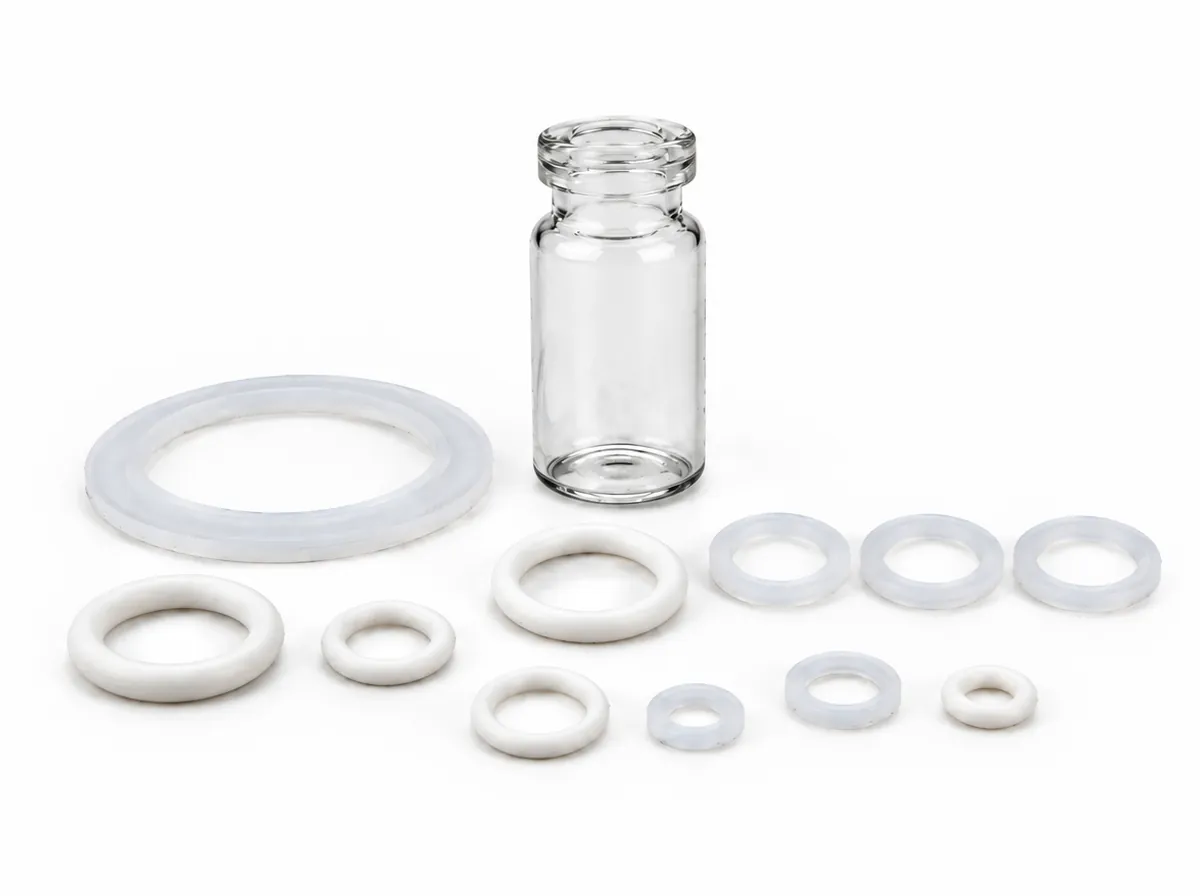
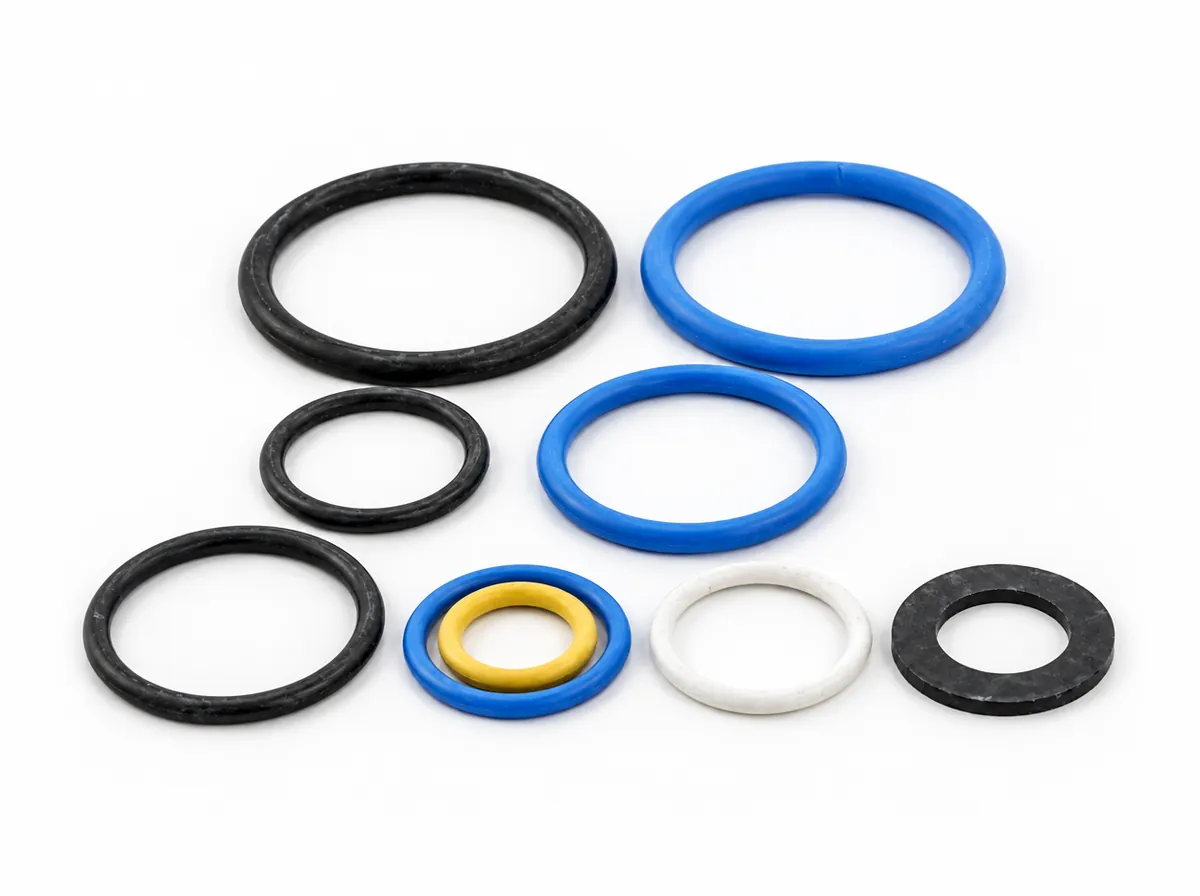
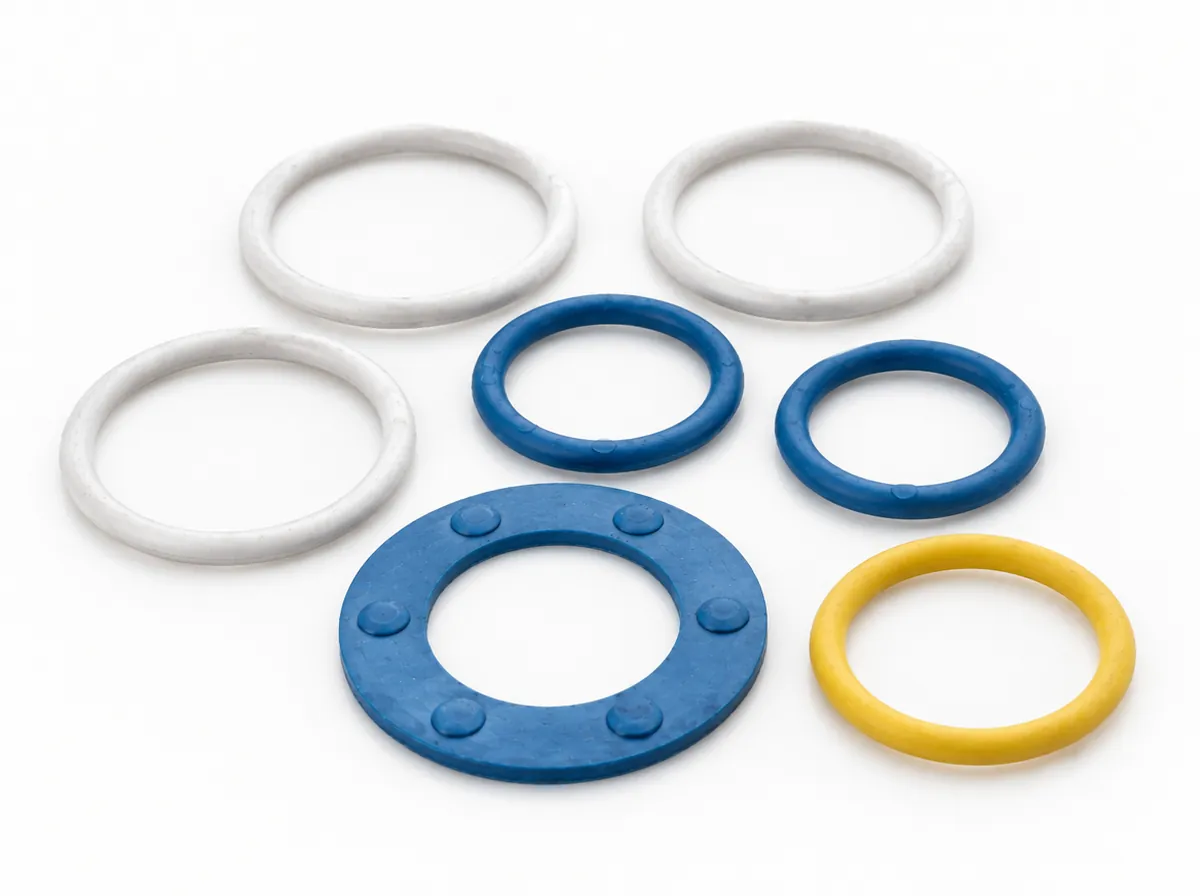
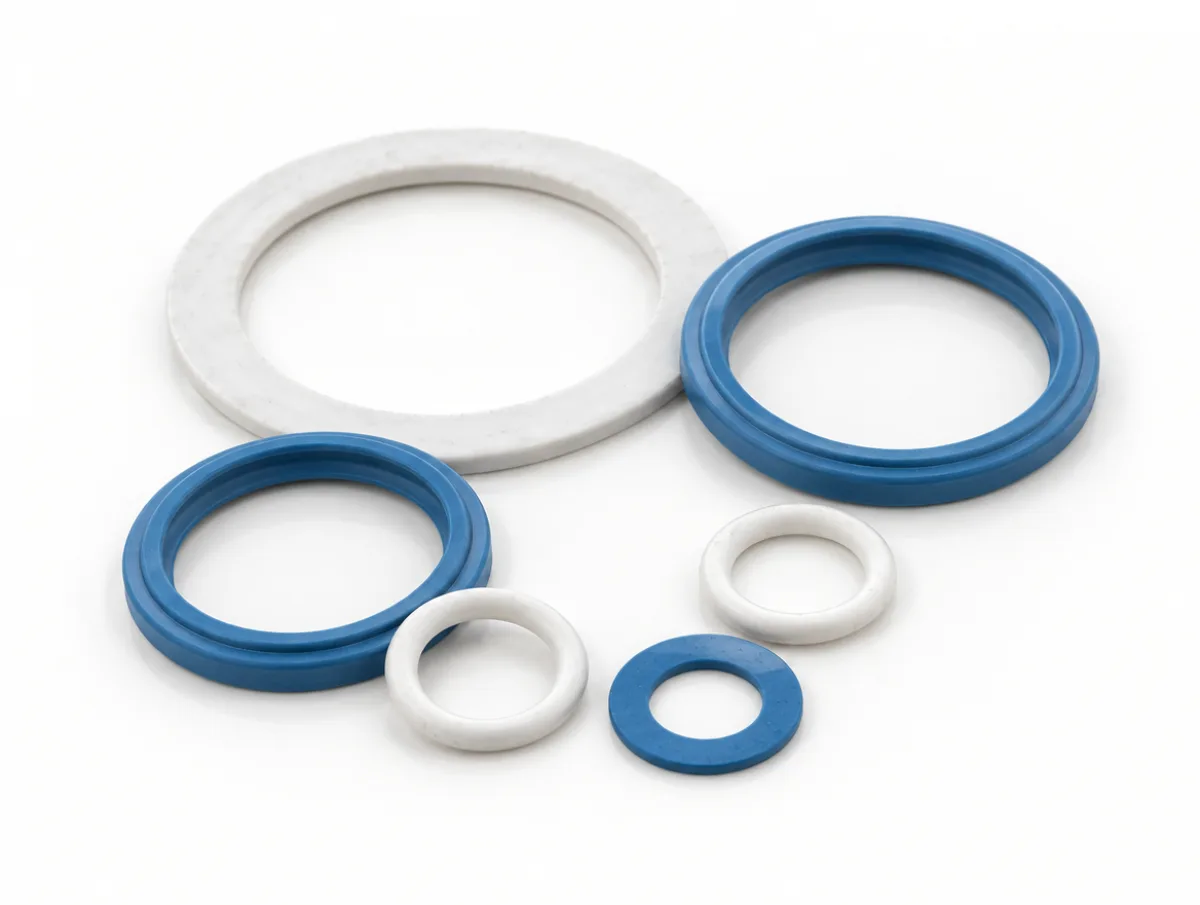
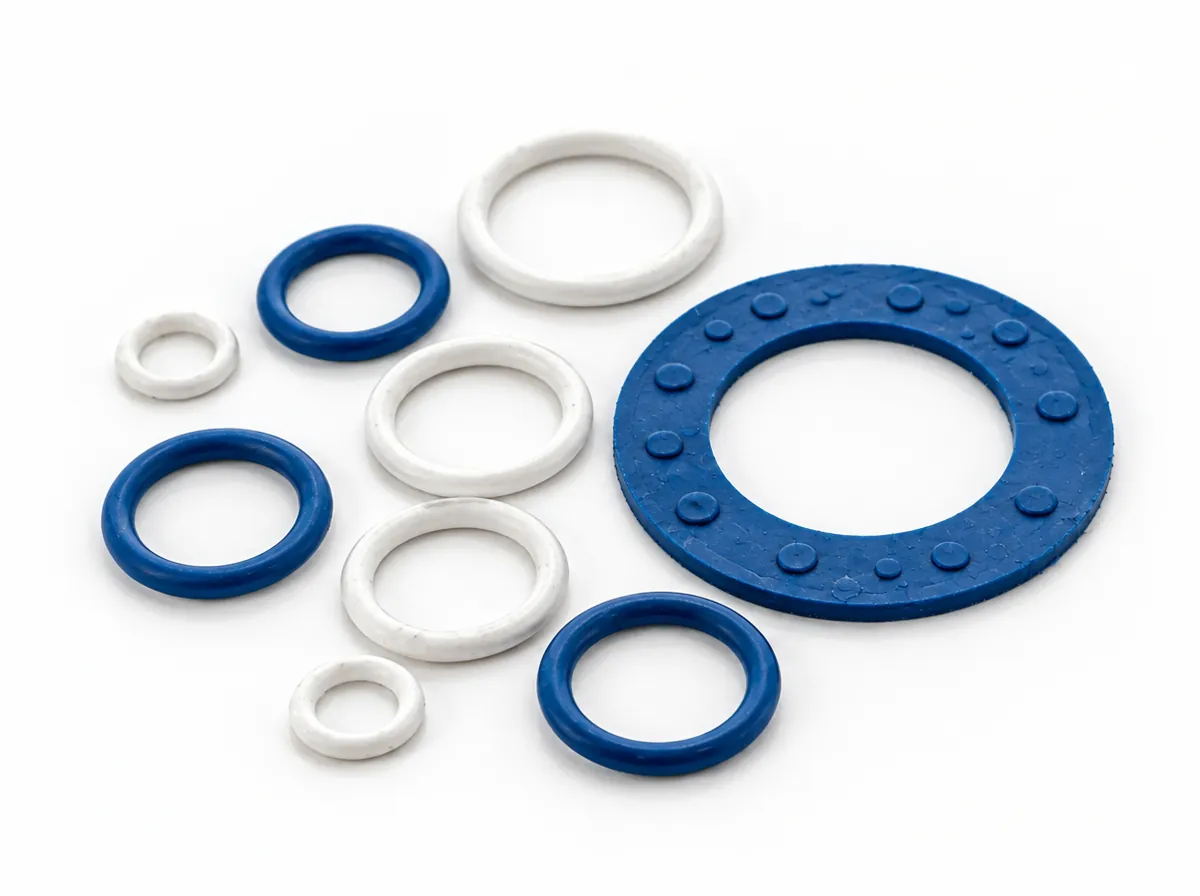
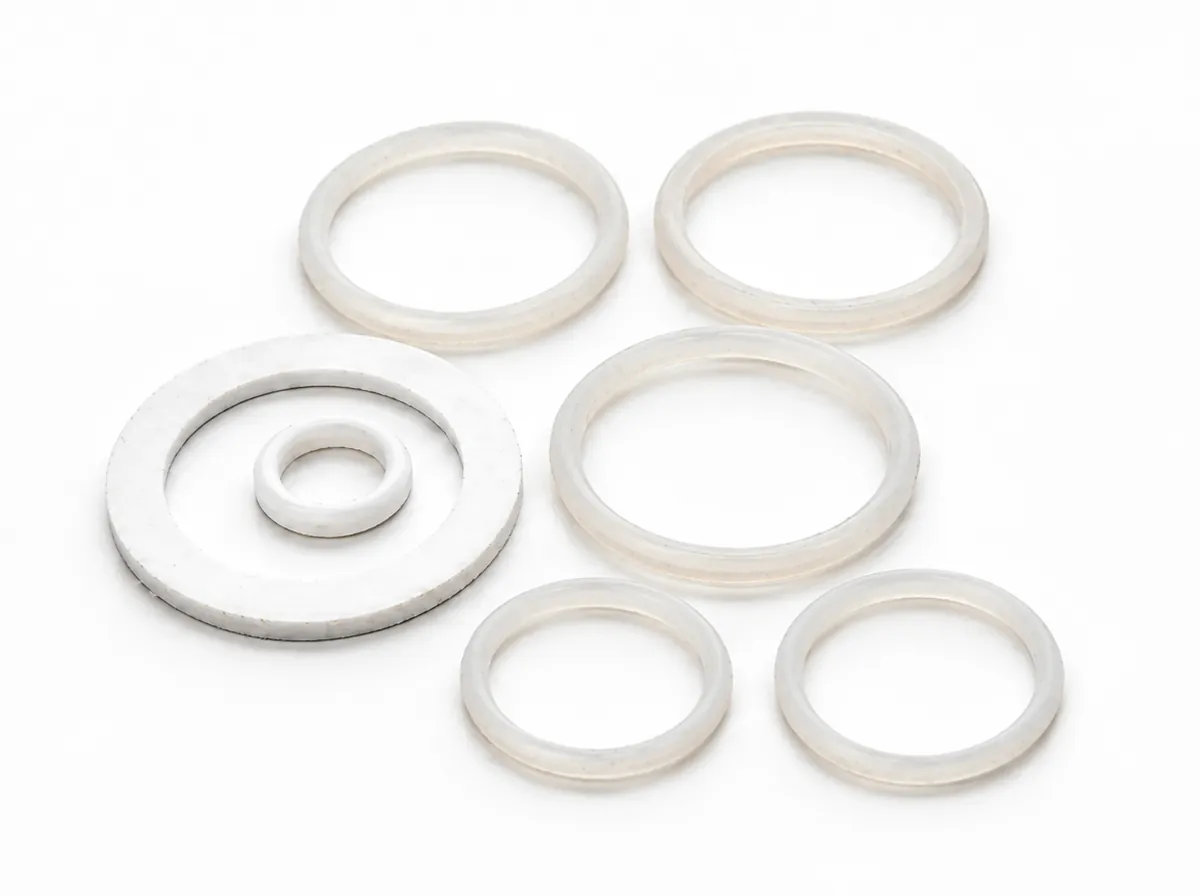
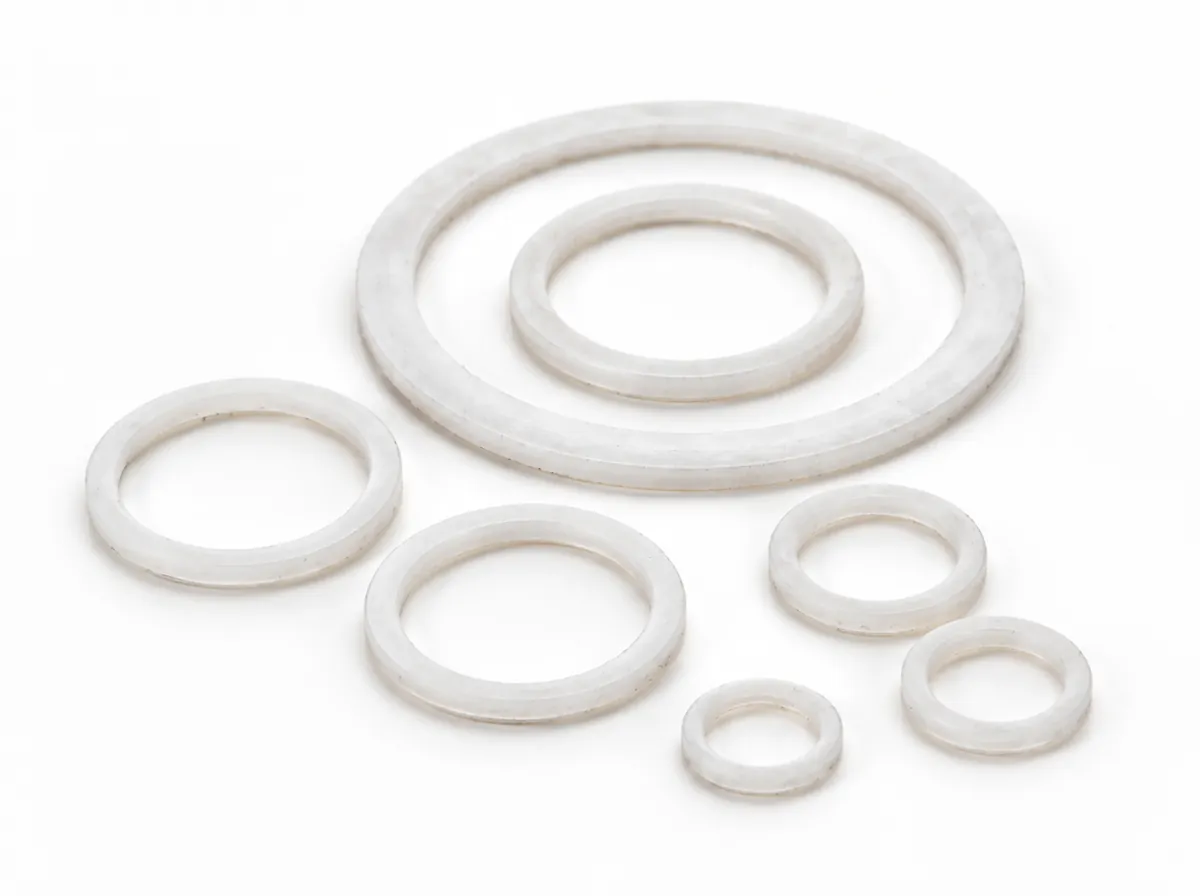
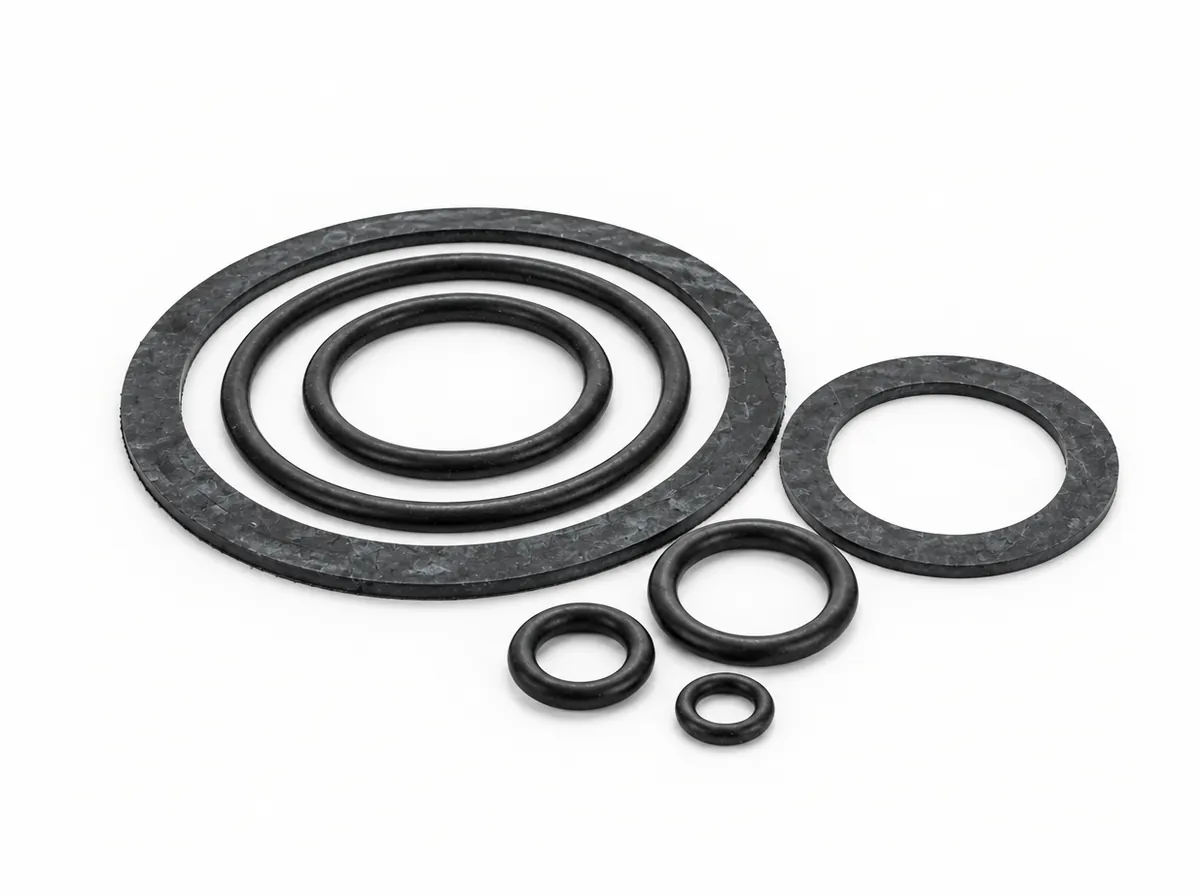
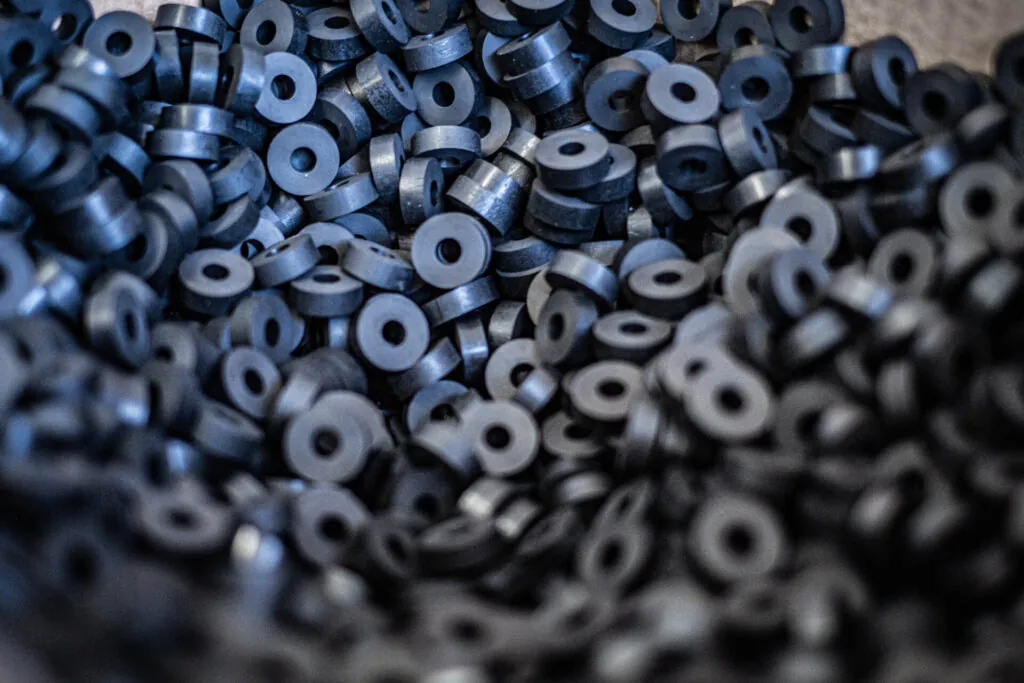
- Sealing rings/O-rings in valves and fittings, filters
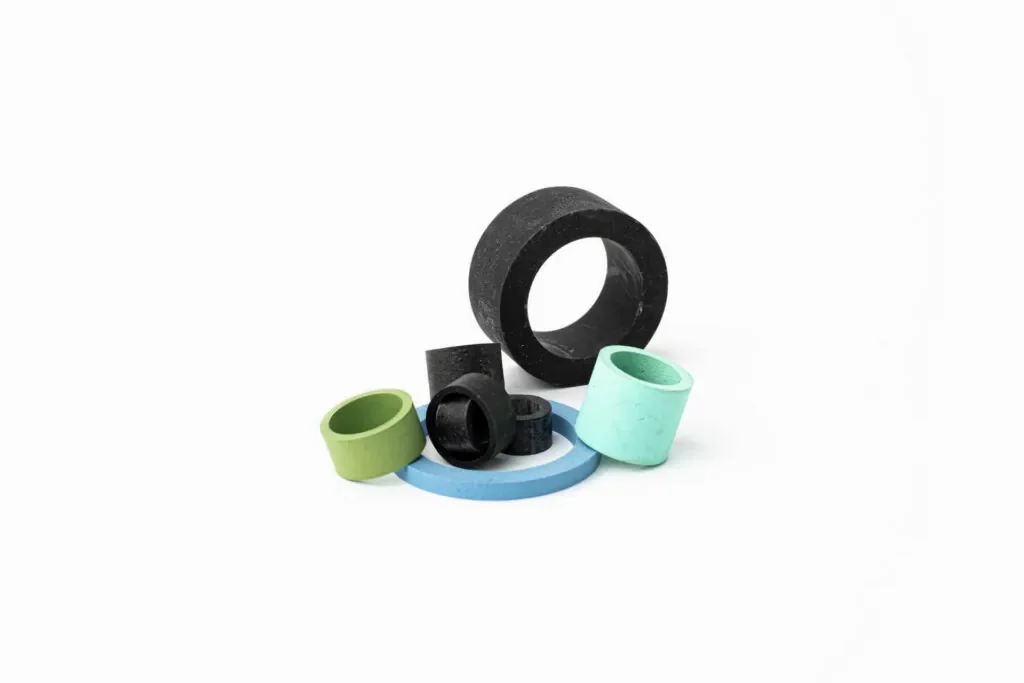
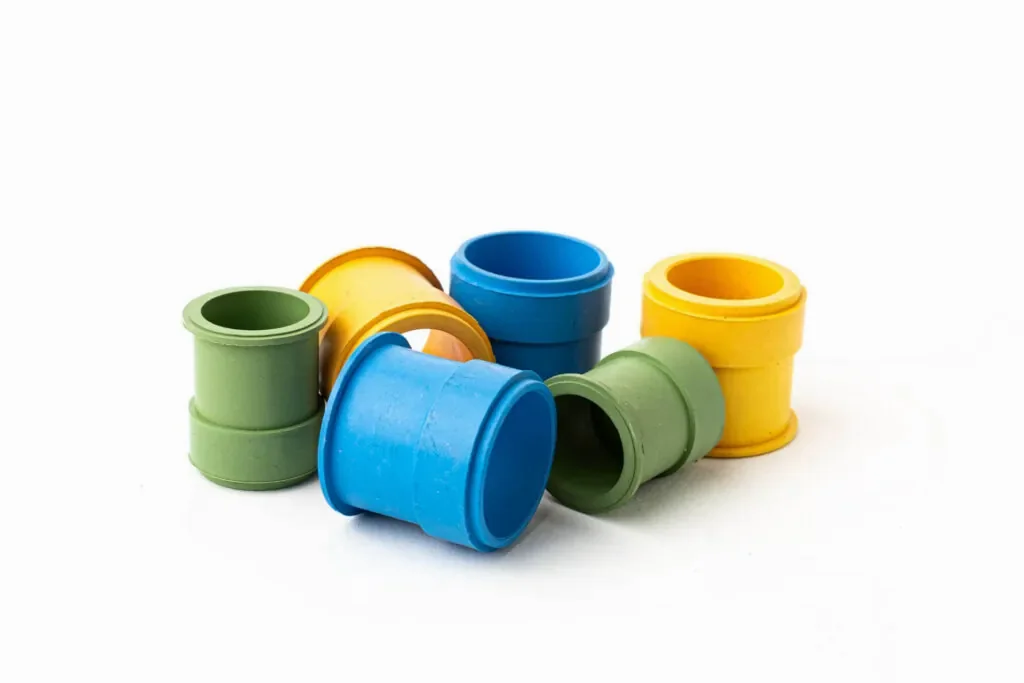
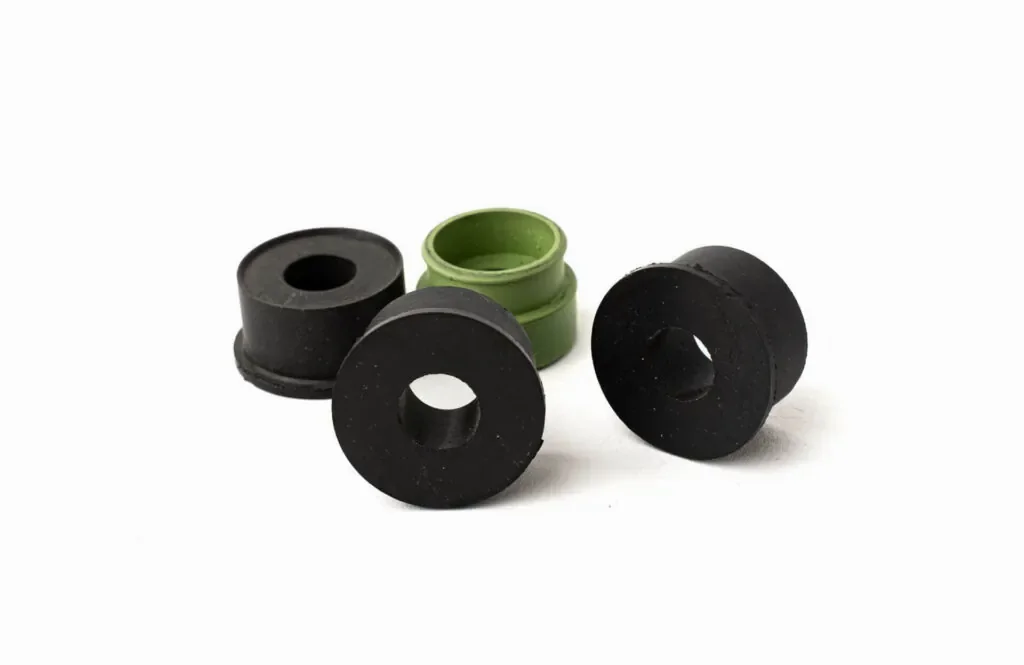
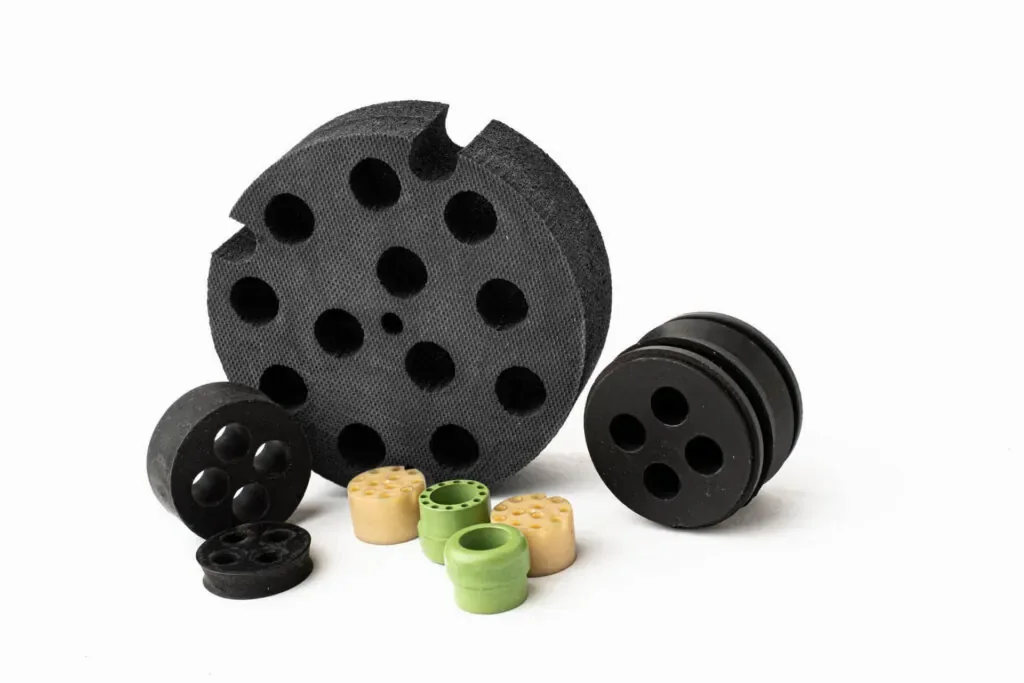
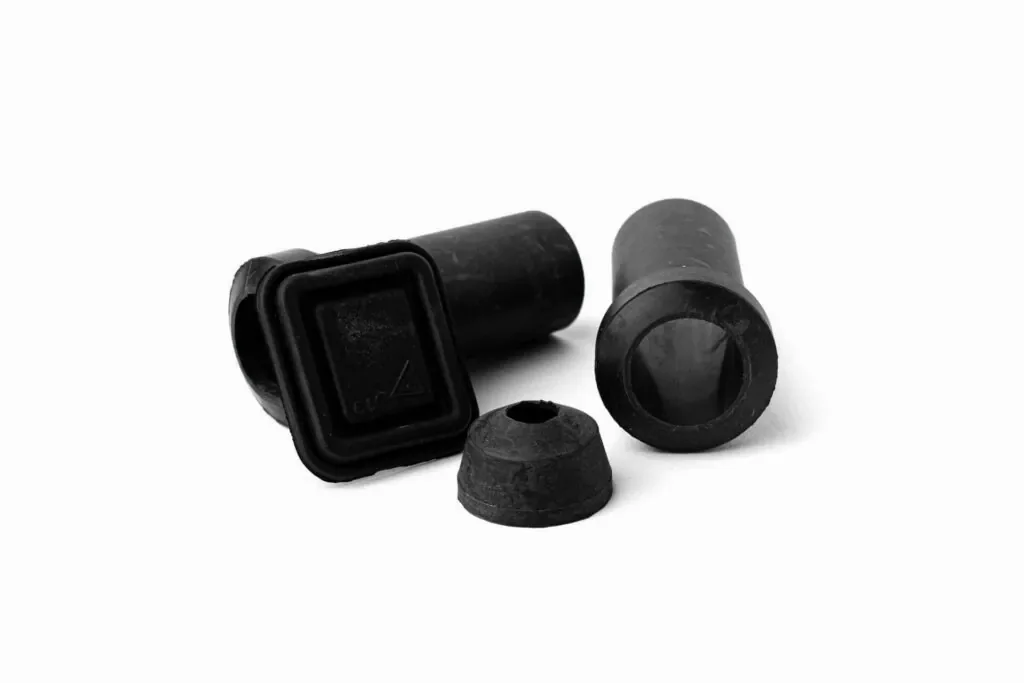
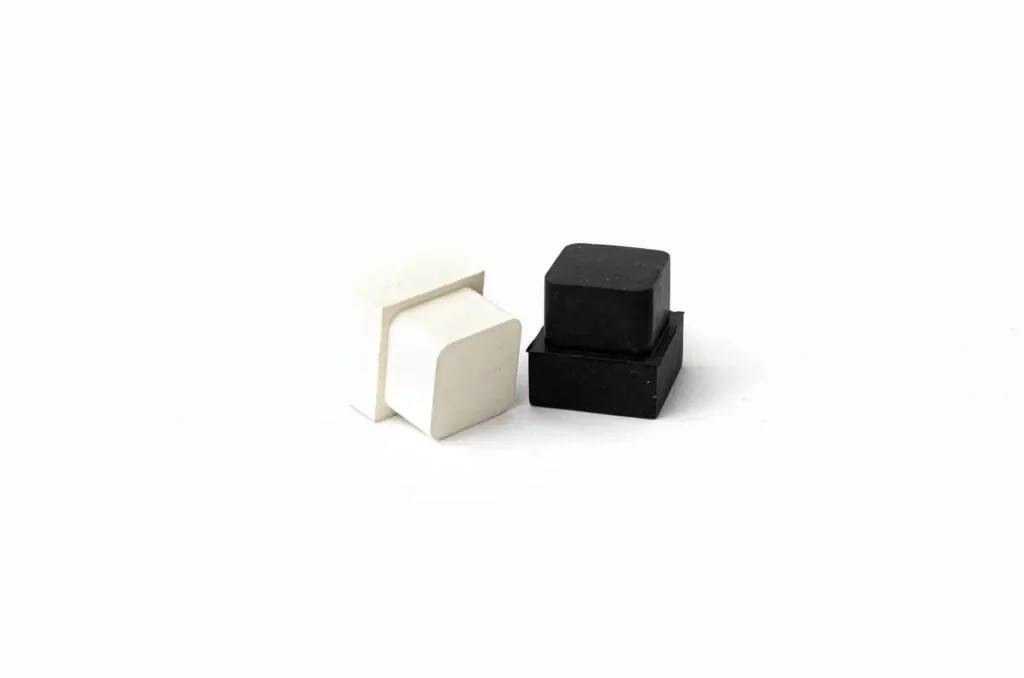
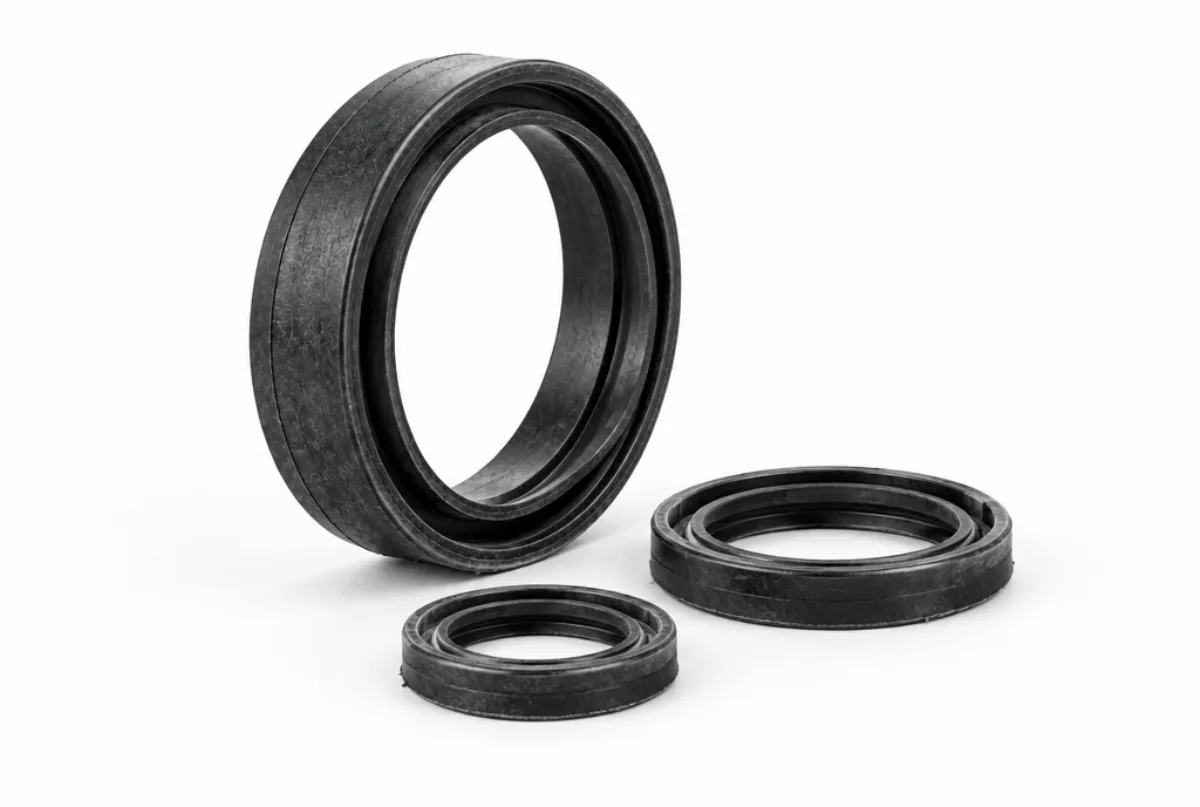
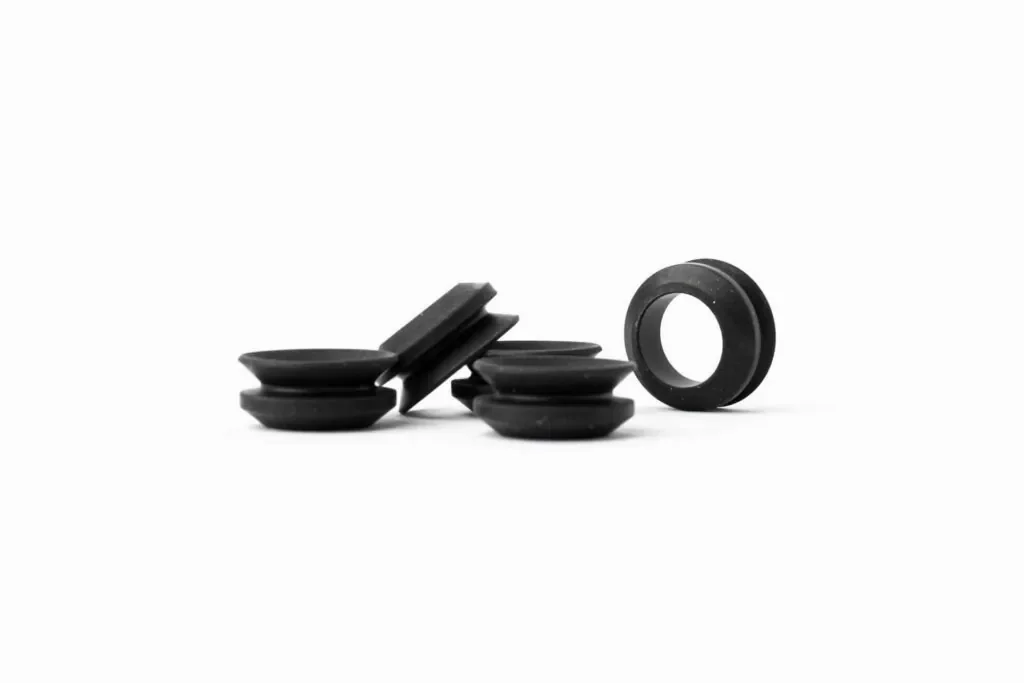
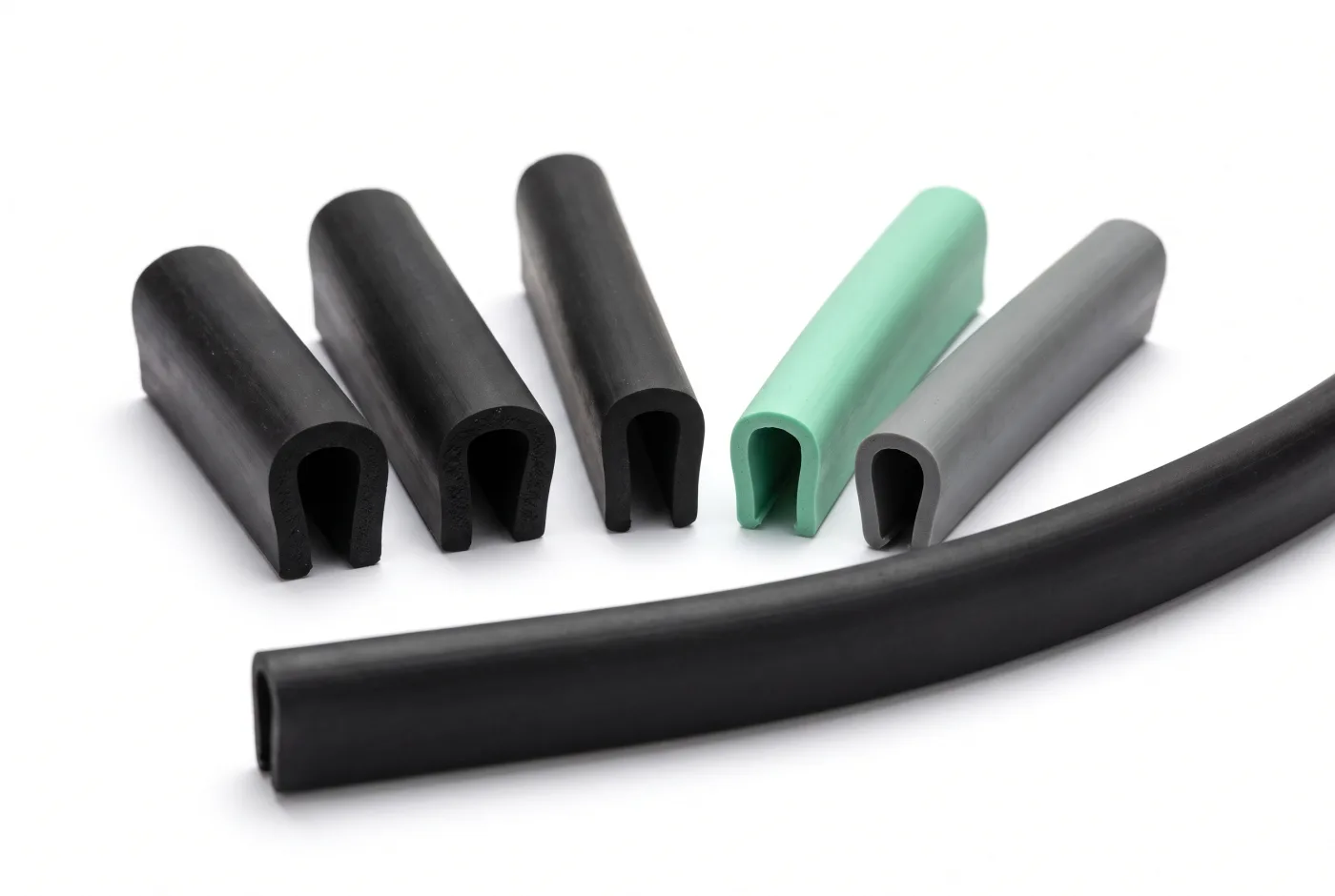
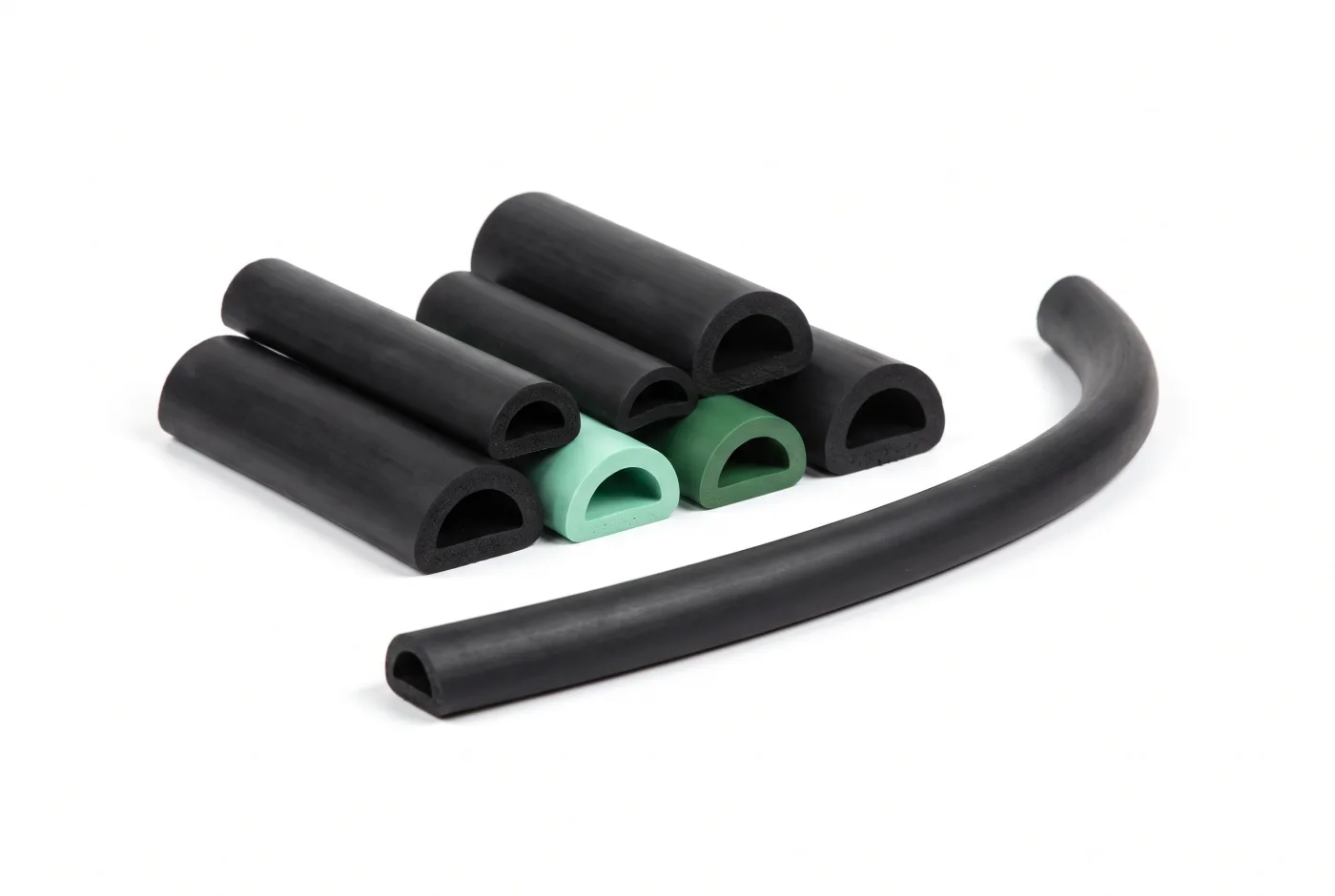
- Moulded articles such as diaphragms, sleeves, sealing lips
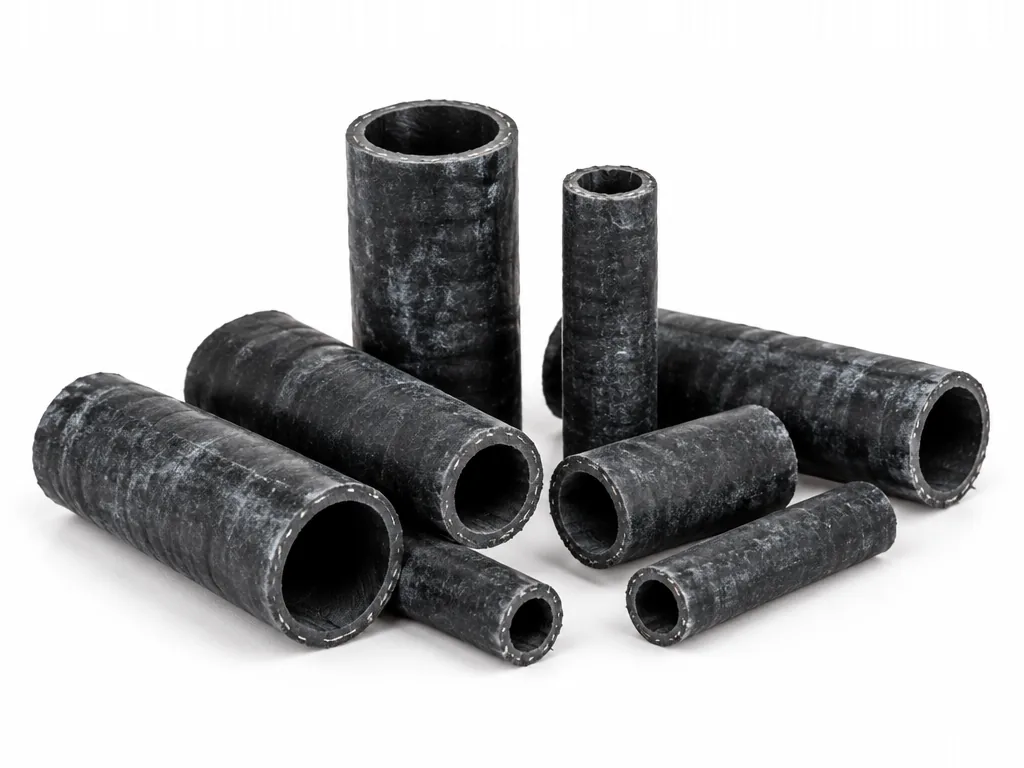
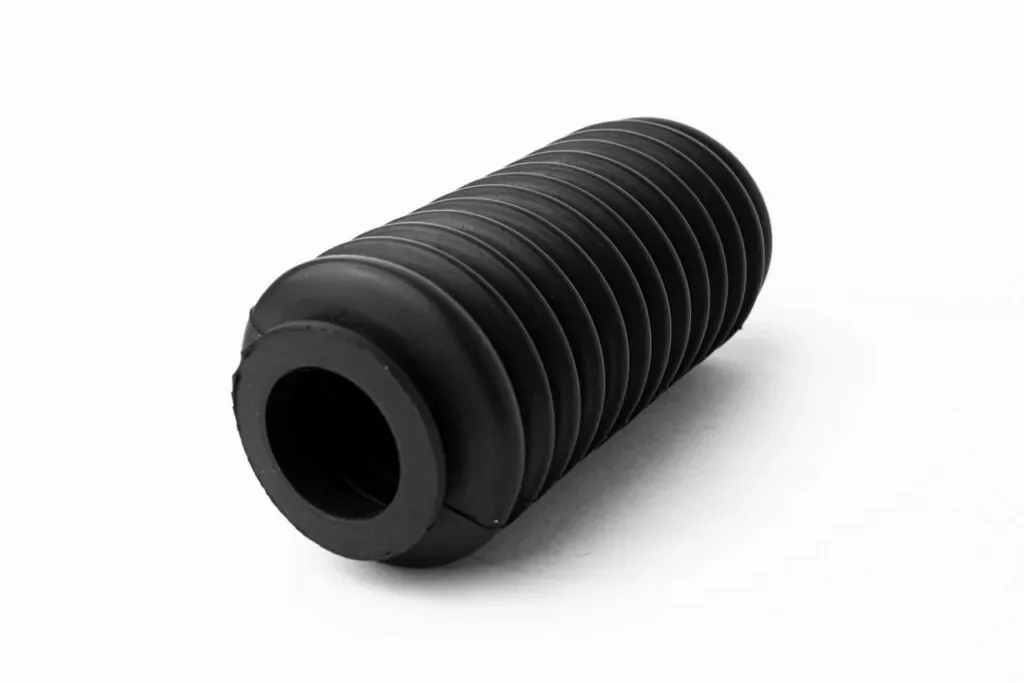
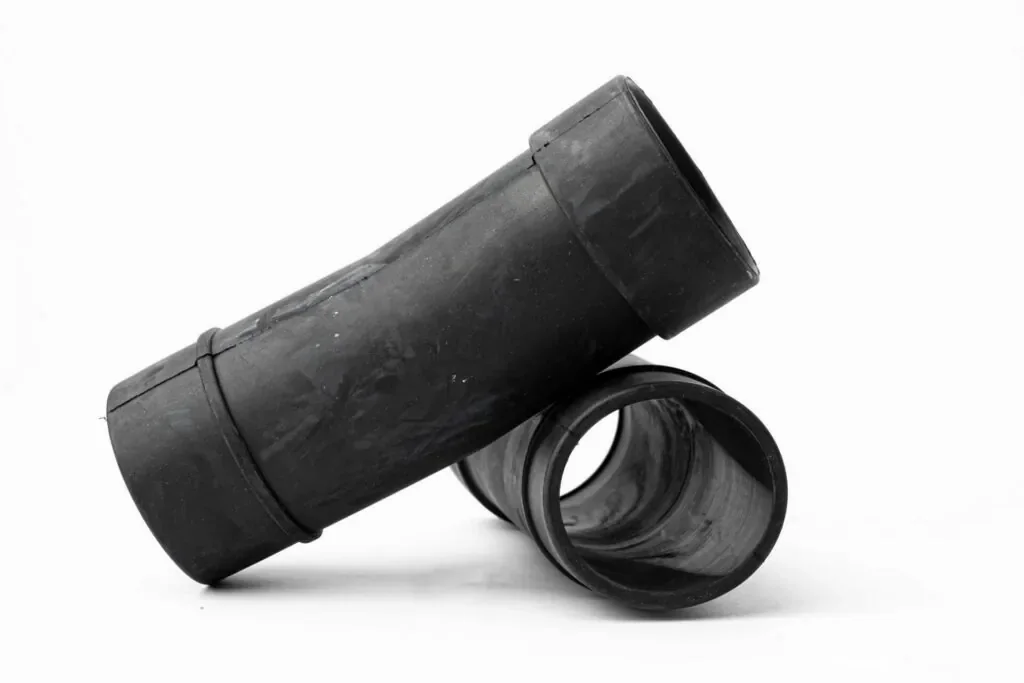
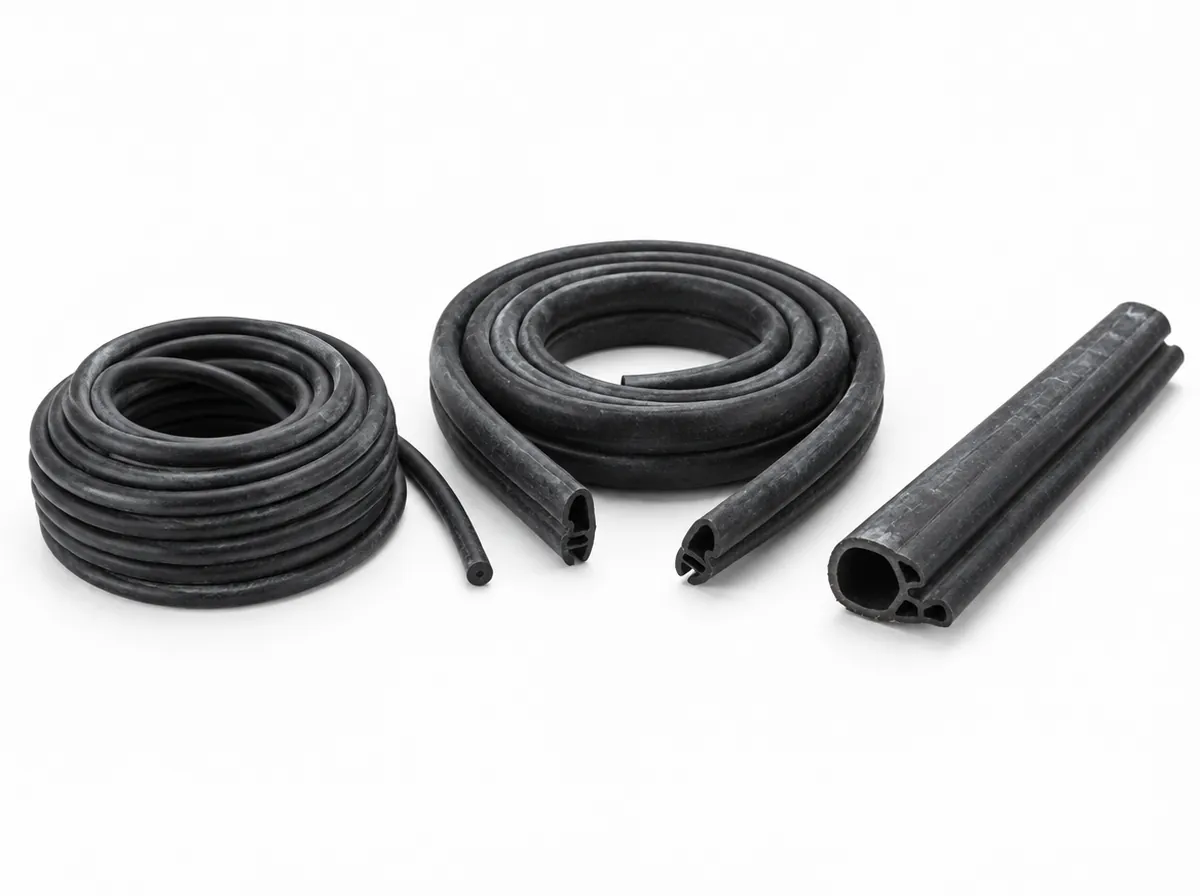
- Hoses/hose rings in water-carrying systems
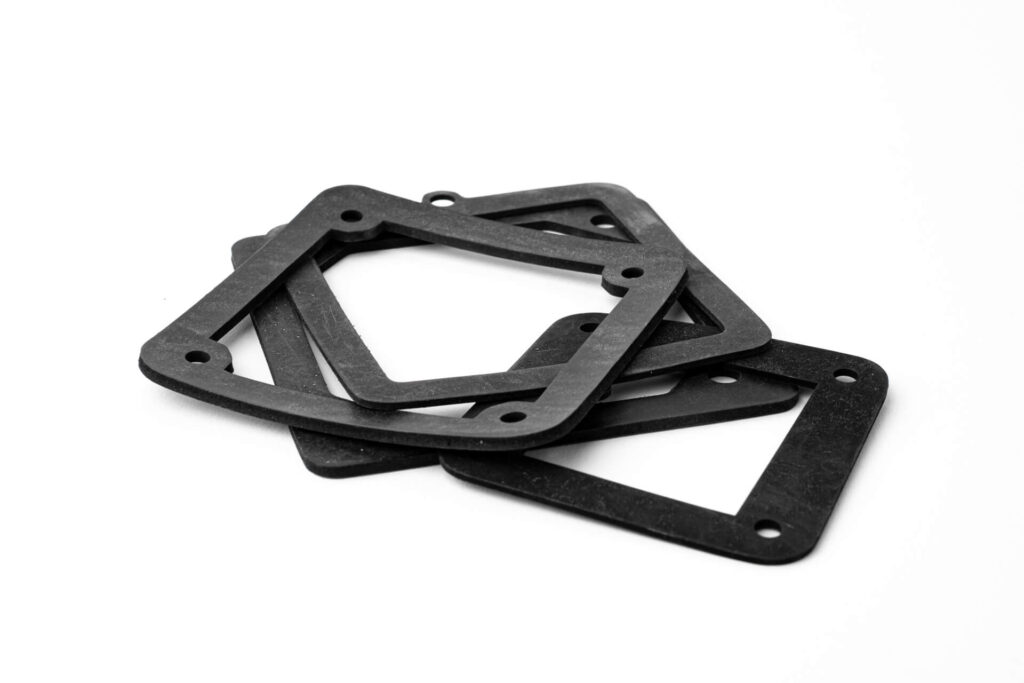
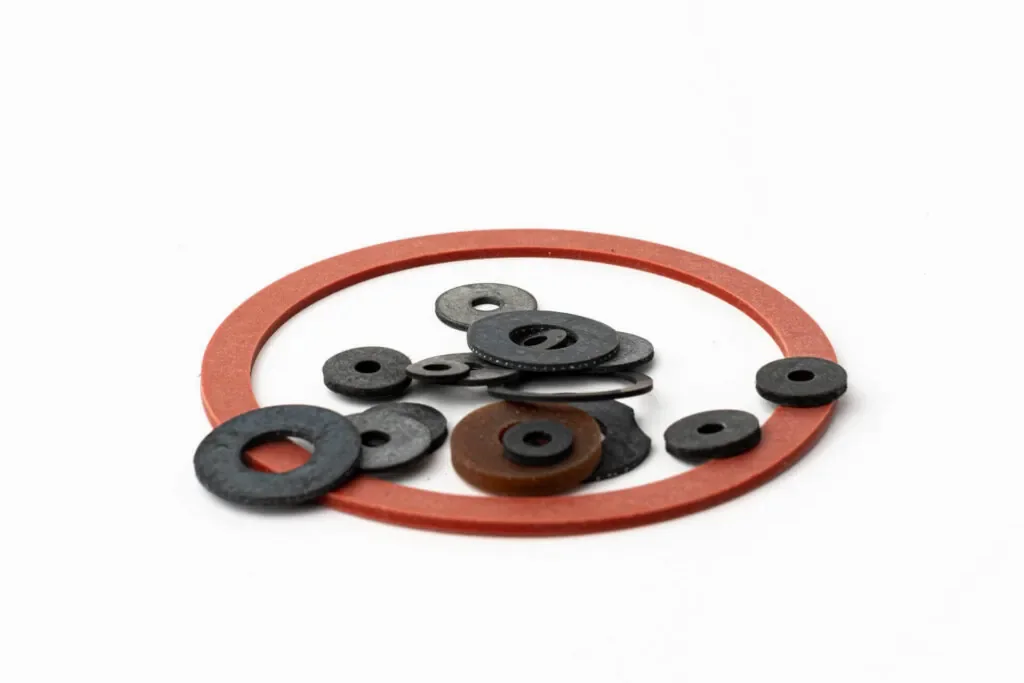
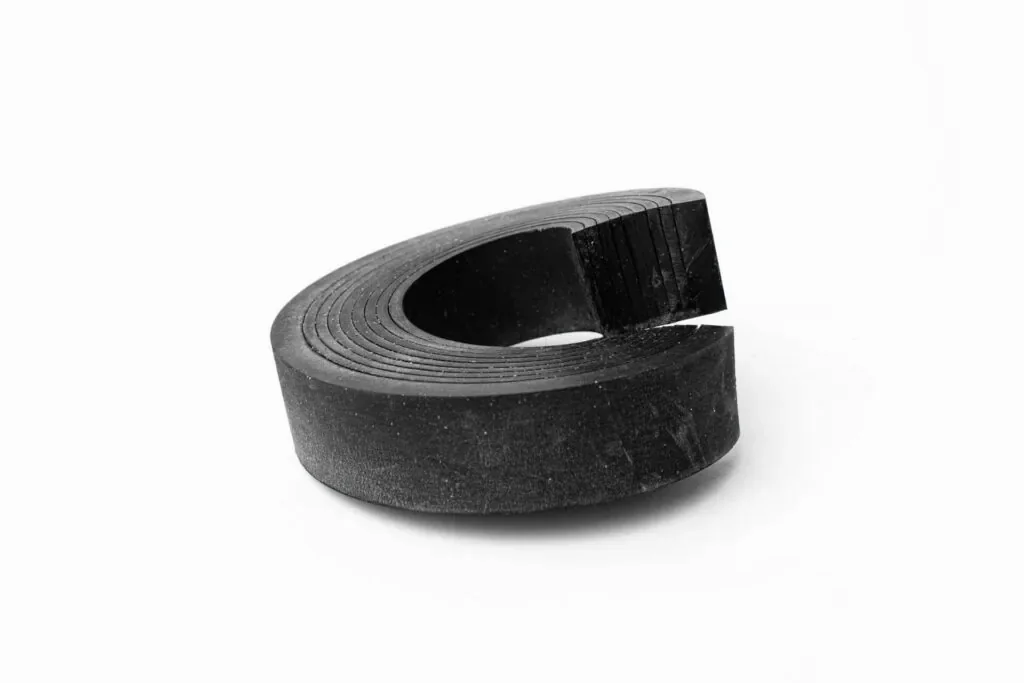
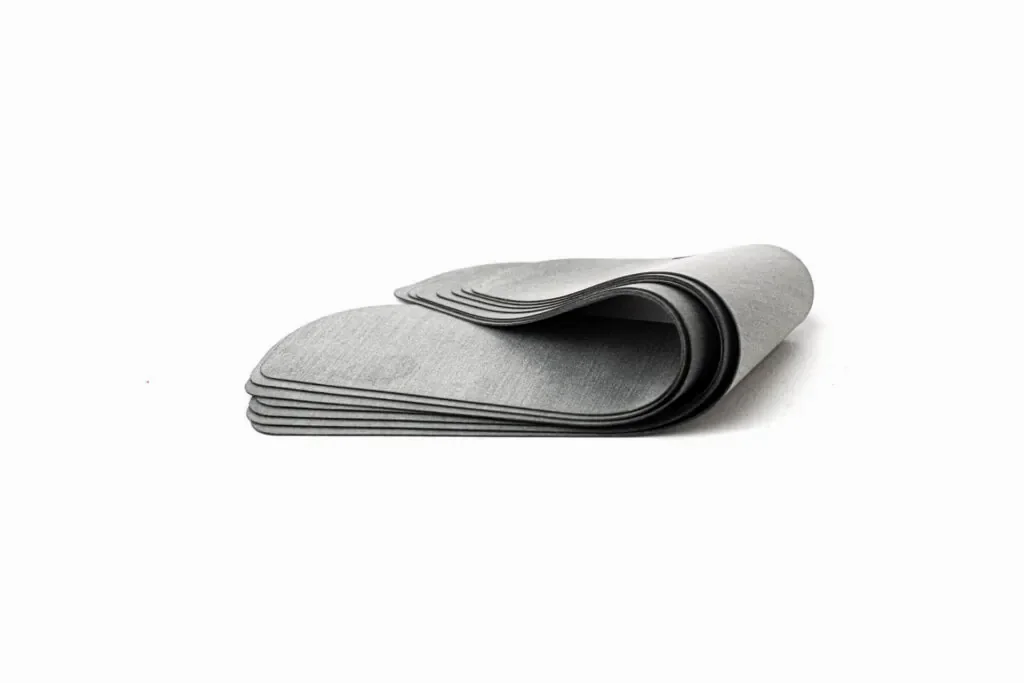
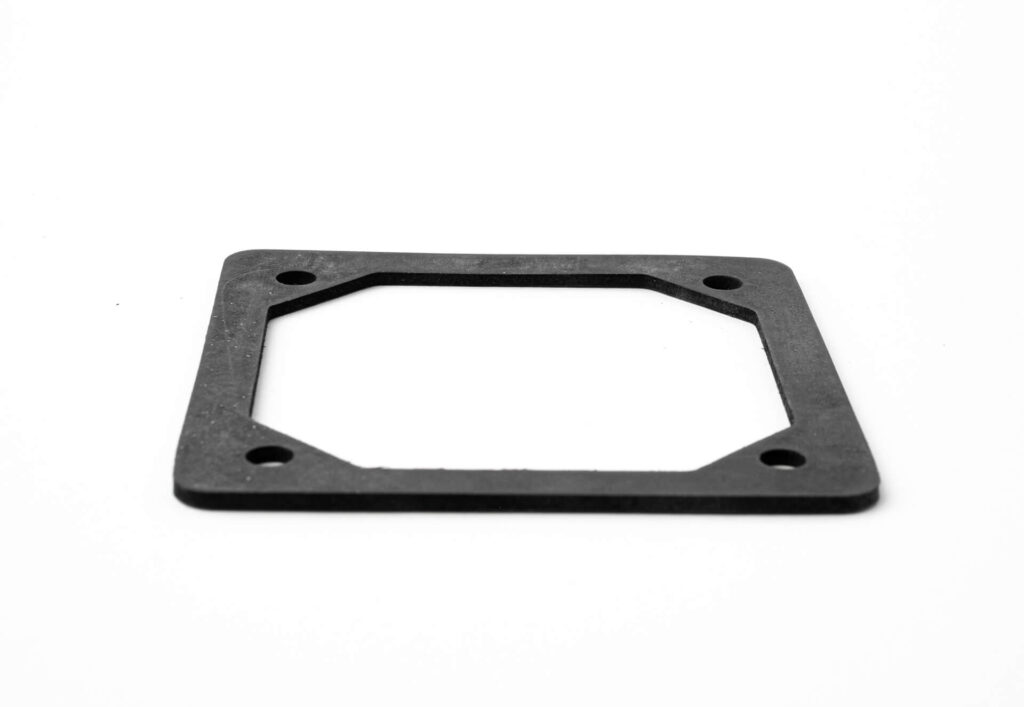
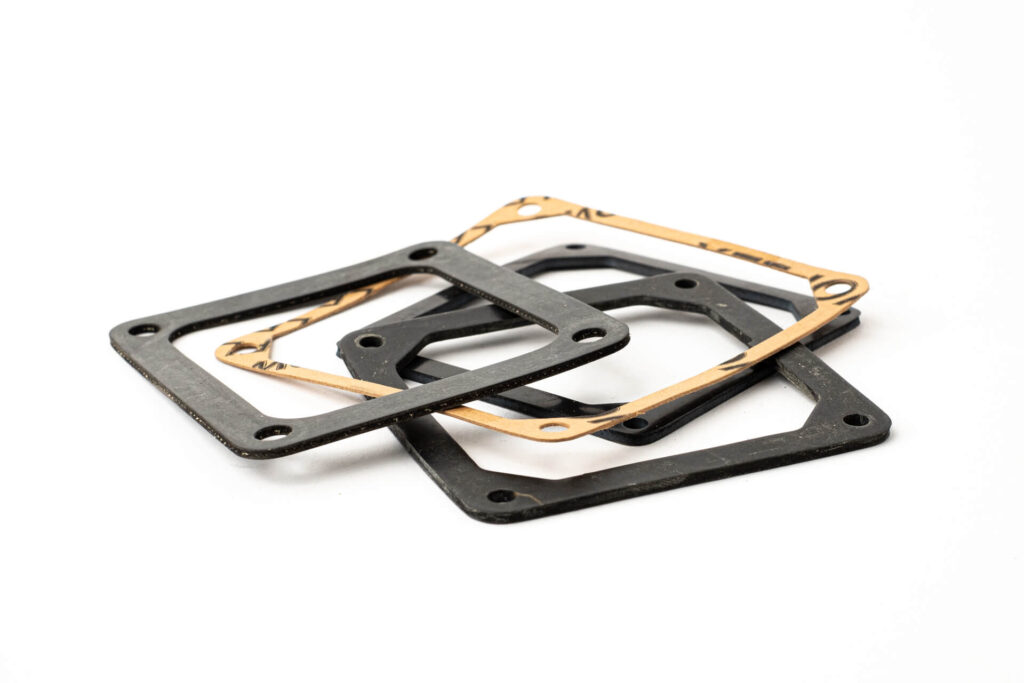
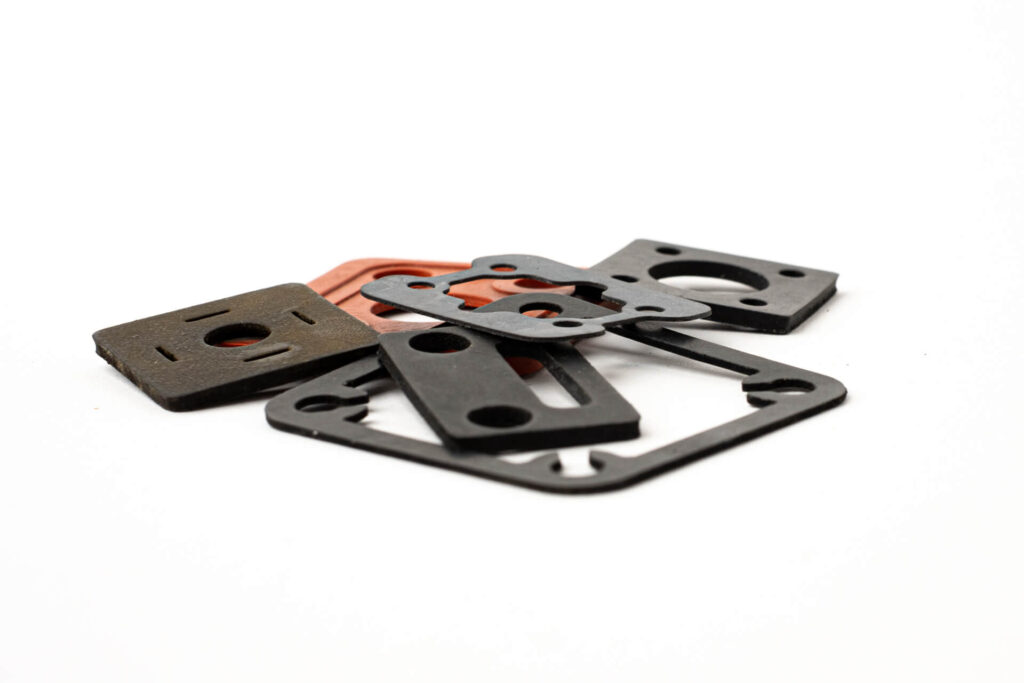
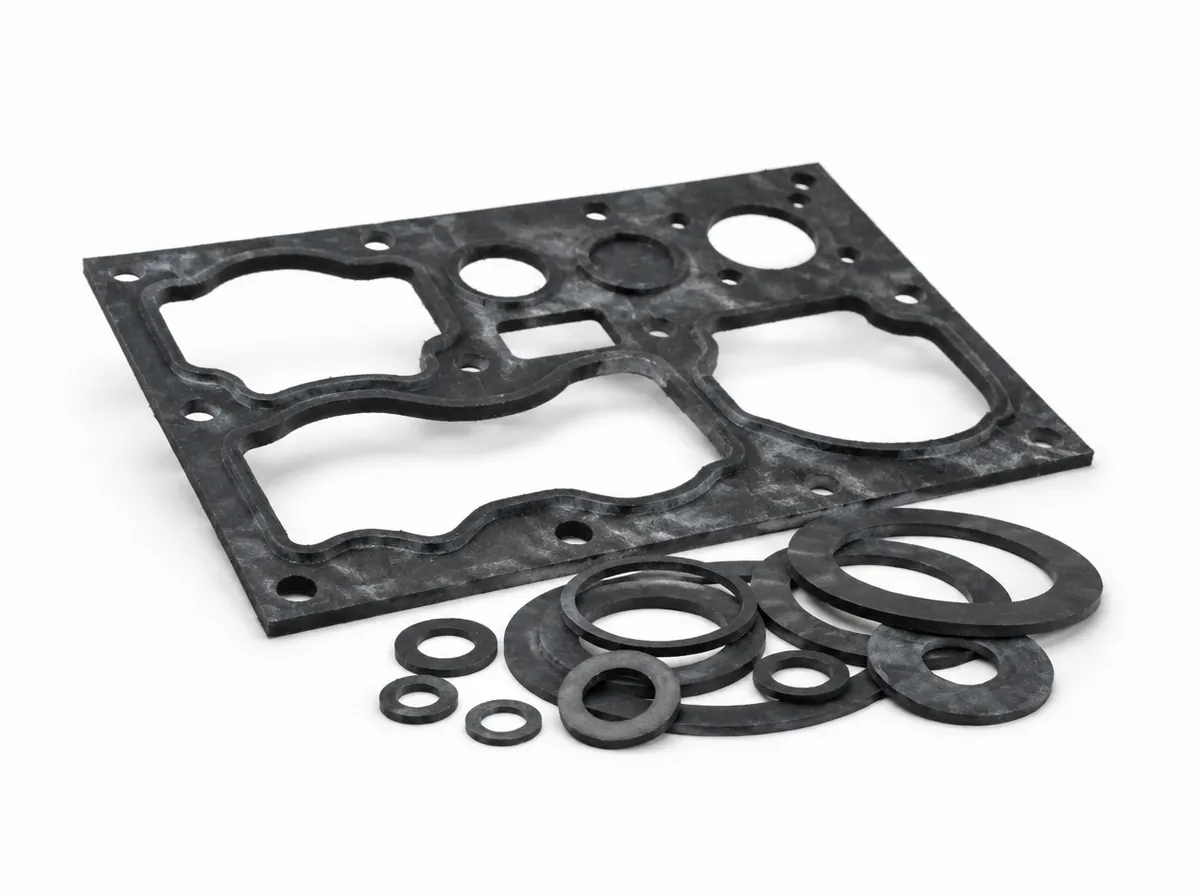
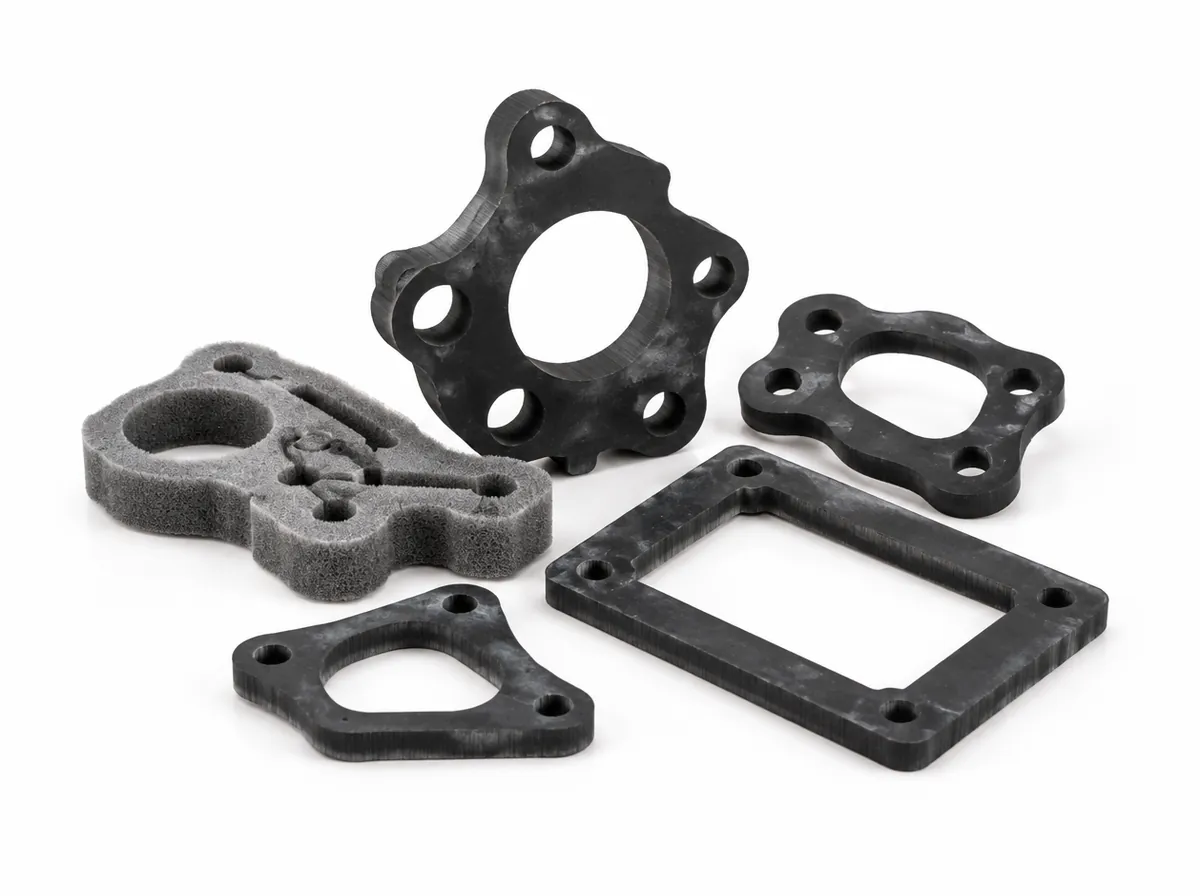
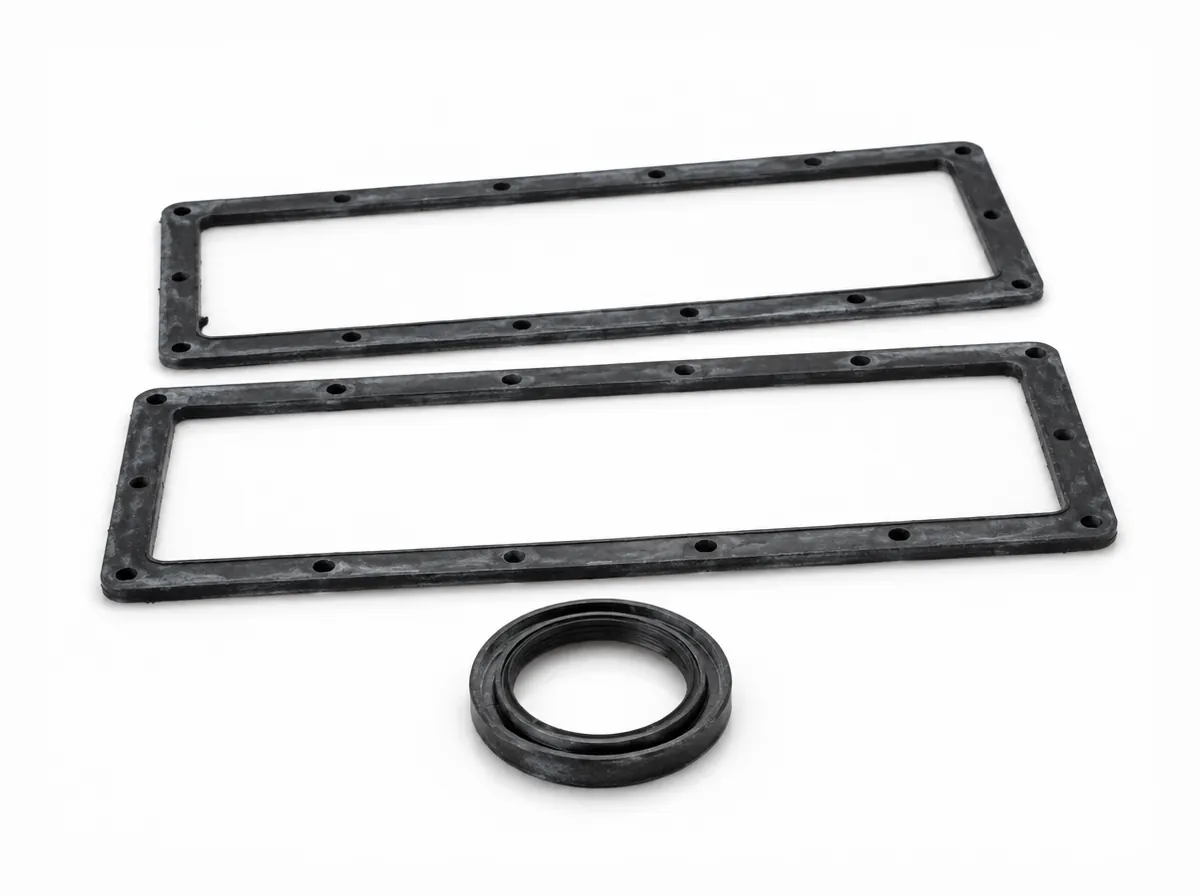
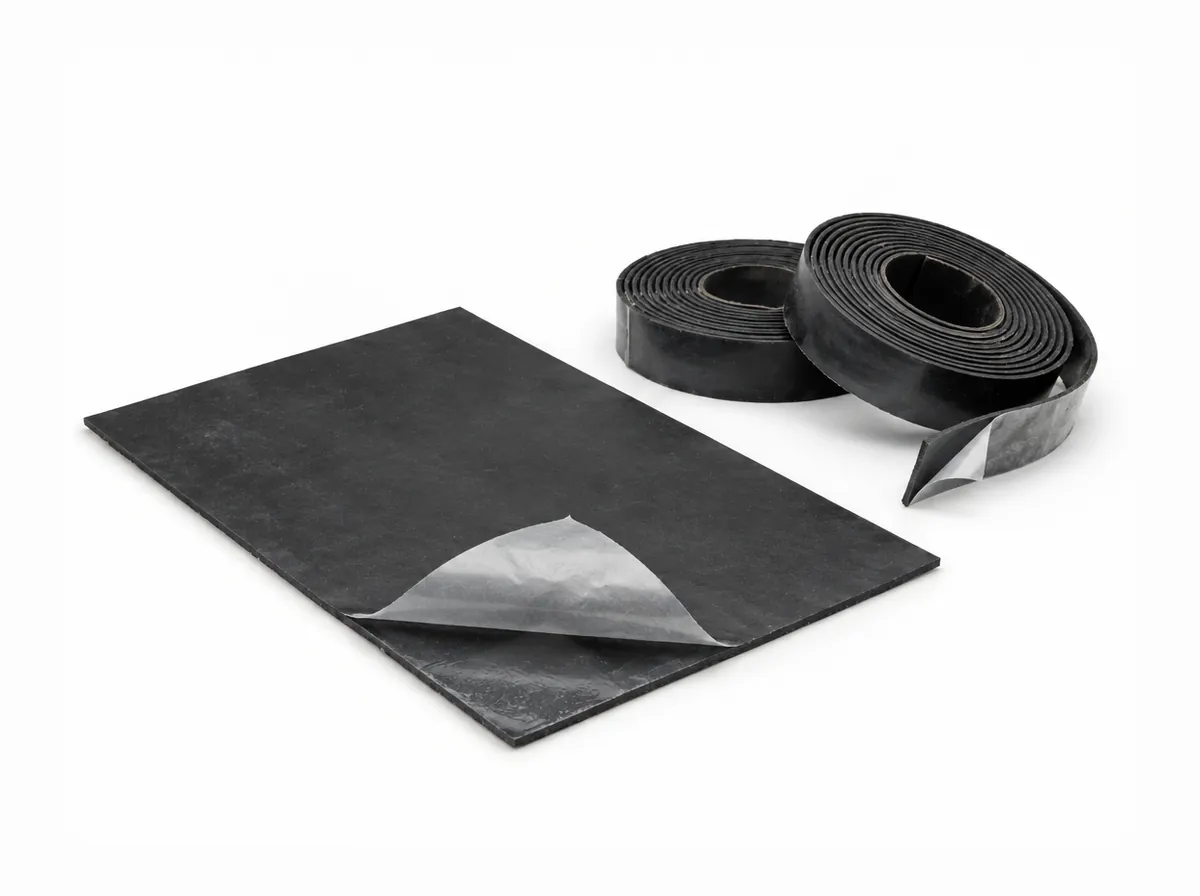
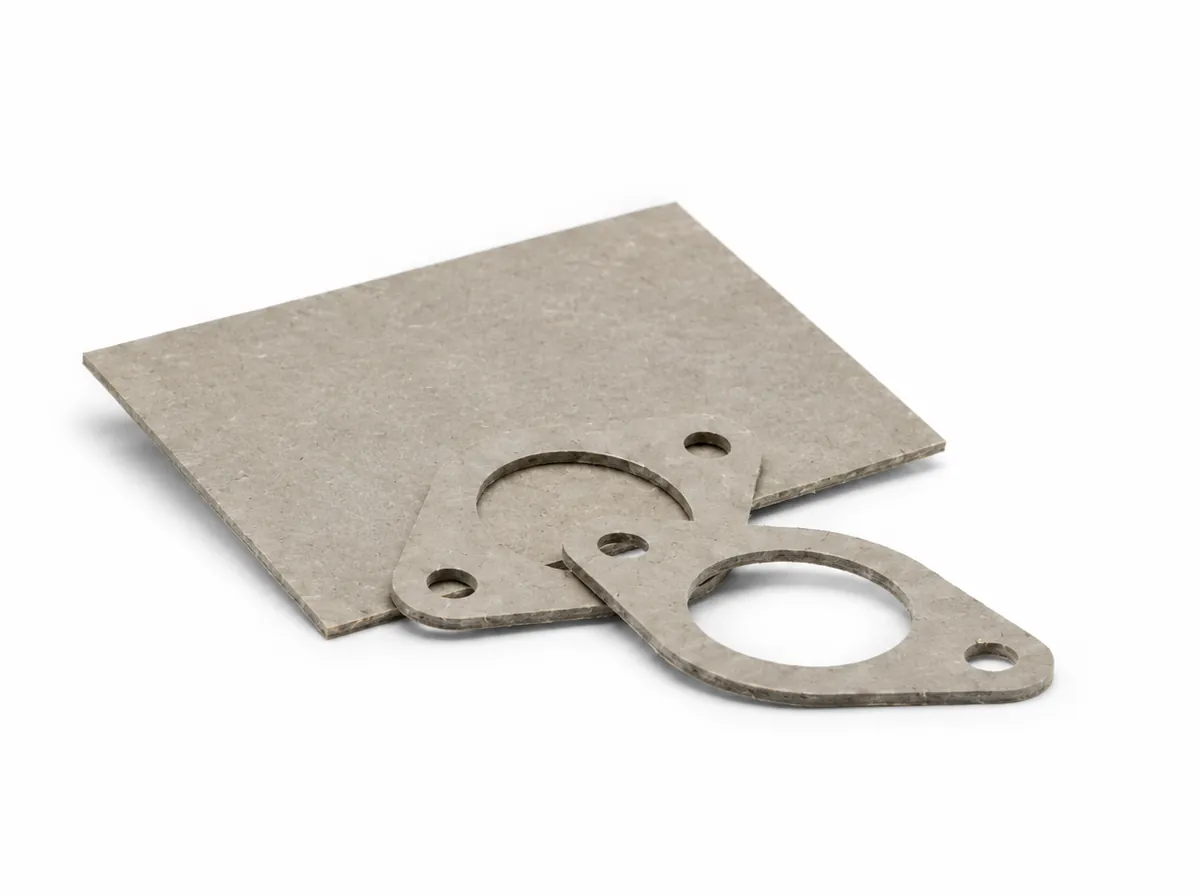
- Flat seals/punched parts made of EPDM, NBR, FKM and others
ELL vs. KTW-BWGL: what applies today?
The former ELL was superseded by the KTW-BWGL on 1 July 2026. For elastomers, Annex D now applies. For TPE (thermoplastic elastomers), Annex E applies; for coatings, Annex B; and for lubricants and auxiliary materials, Annex C. Silicones continue to be assessed under the KTW Guideline for Silicone.
Which requirements are tested?
| Category | Content | Objective |
|---|---|---|
| Migration | Total TOC, specific substances, metals/residual monomers where applicable | Health protection, no undesirable release |
| Sensory | Odour and taste testing under defined conditions | Water remains neutral |
| Material data | Formulation/positive list, hardness (Shore A), density, colourants | Transparent material assessment |
| Component testing | Worst-case geometry, surface/volume, installation scenario | Realistic assessment of the finished sealing element |
| Biofilm | Optional: microbial growth (e.g. to DVGW W 270) | Hygiene in networks/installations |
Test programme and scope (component/material)
- Material screening: comparison of the raw materials with the positive list of the KTW-BWGL (Annex D)
- Risk classification: determine application/temperature/surface-to-volume ratio (risk groups)
- Migration and sensory testing: defined test times/temperatures; TOC, specified substances, odour/taste
- Component testing: type testing on the finished sealing element (e.g. O-ring/flat seal)
- Conformity documents: test report, DoC/CoC, batch traceability (audit-ready)
How do products achieve conformity?
- Preliminary check: review of existing compounds/sheet grades for listability and test history
- Laboratory coordination: test planning with accredited laboratories (material and component tests)
- Series monitoring: production control, material releases, change management
- Documentation: test reports, declaration of conformity, audit file for market surveillance
Benefits for end customers and companies
| Benefit | End users | Manufacturers/OEMs |
|---|---|---|
| Safety | Neutral taste/odour, health protection | Reduced liability and risk |
| Proof | Transparent assessment | Audit-proof documents (DoC/test report) |
| Market access | Suitable materials in the drinking water system | Compliance with legal requirements and tenders |
Practical tips and common mistakes
- Material is not the same as component: a material certificate does not replace component testing.
- Thickness/colour: changes to geometry or colourants can affect the assessment.
- Formulation management: document and reassess every change to the formulation of a rubber compound.
- Think in systems: combined elastomers, plastics and coatings must be compatible (Annexes B to E).
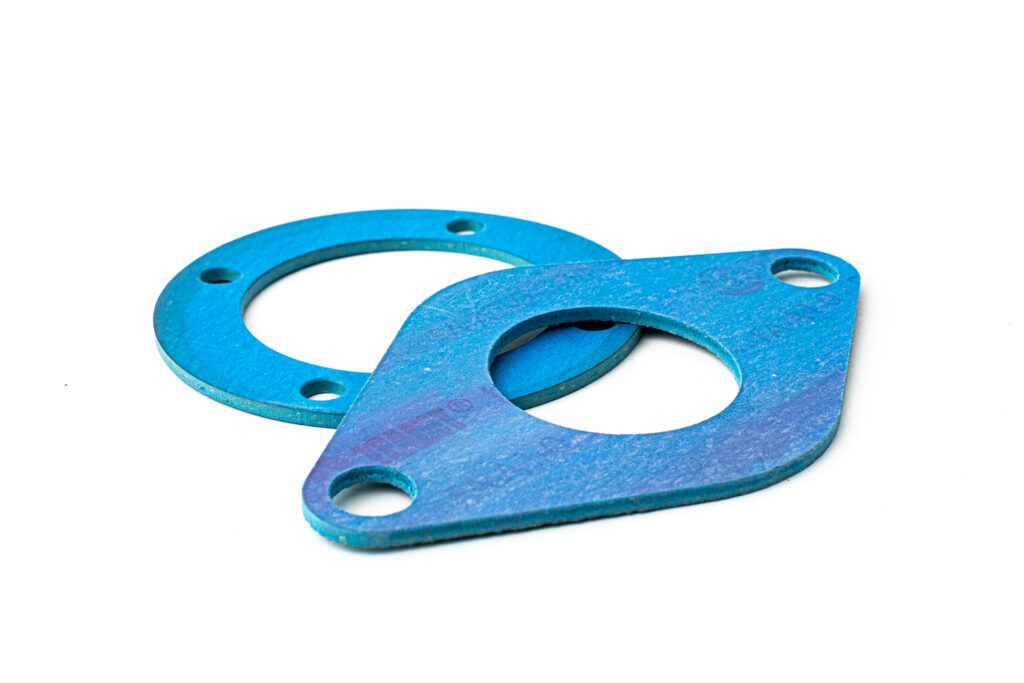
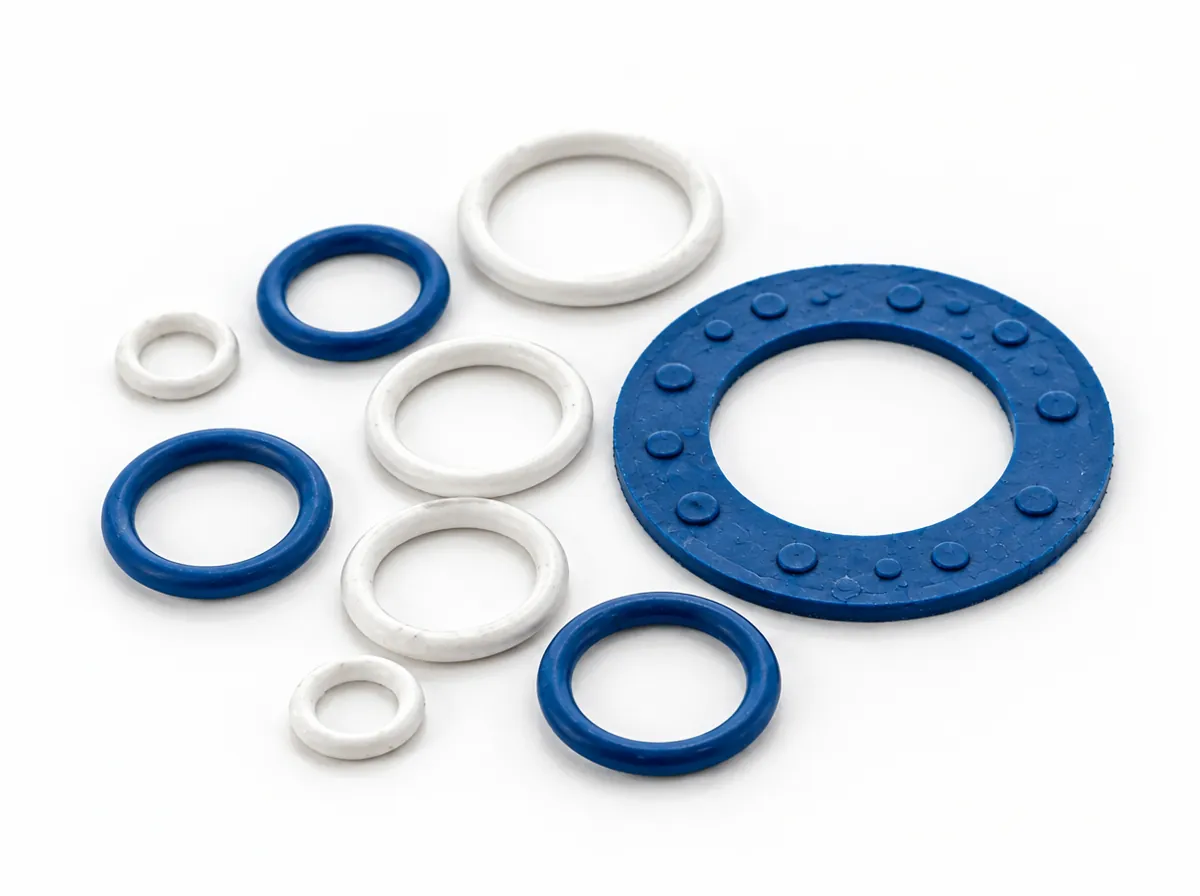
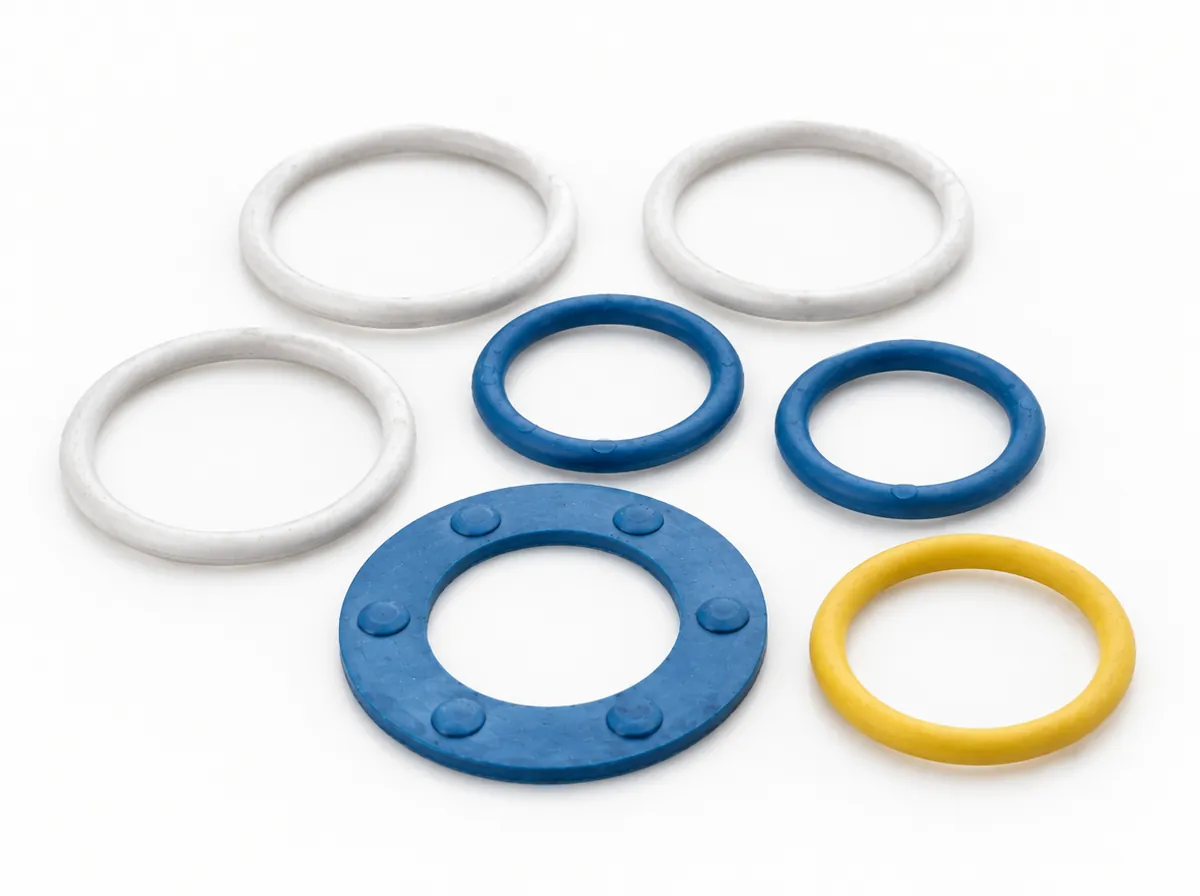
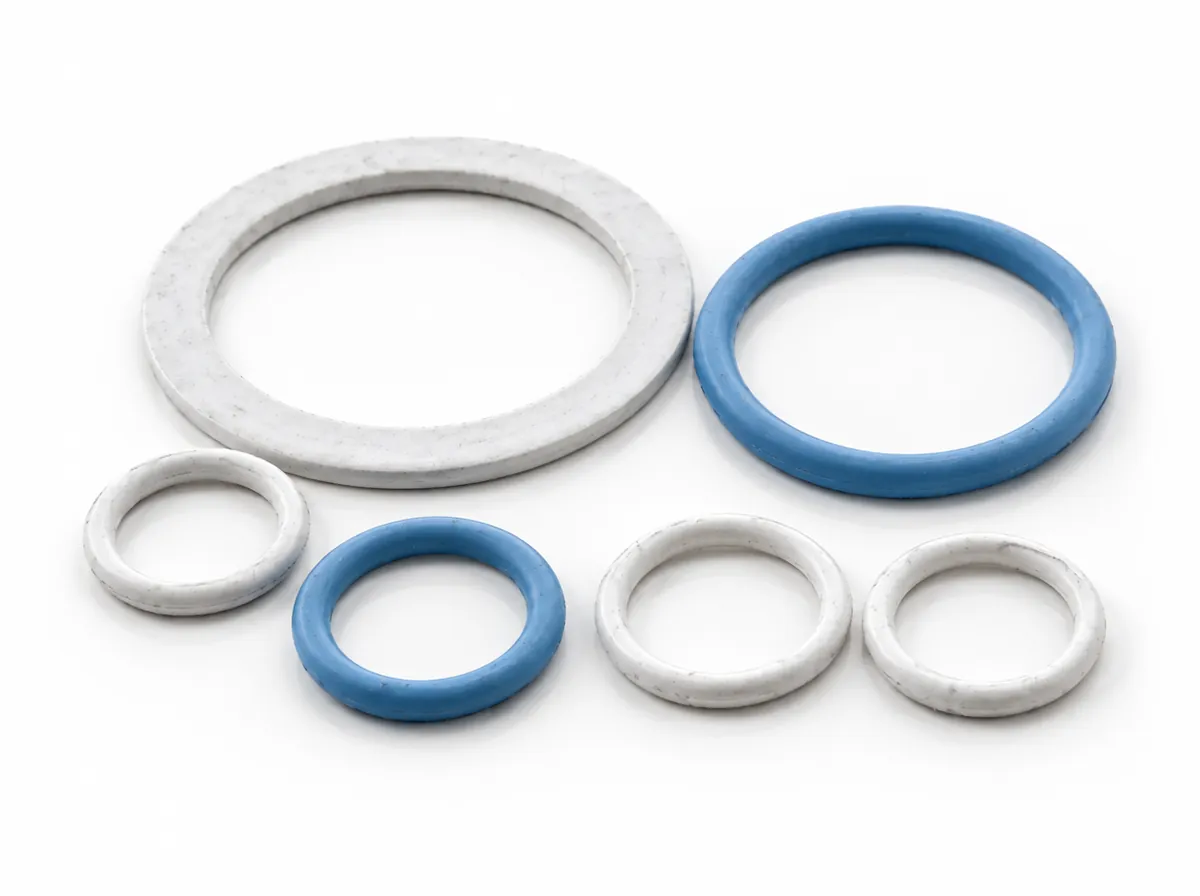
For drinking water seals we recommend our EPDM blue material. All applications relating to drinking water can be found under drinking water.
FAQ
The key questions
What is the Elastomer Guideline (UBA)?
Does the Elastomer Guideline still apply today?
Which seals need an assessment for drinking water contact?
Standards & approvals
Further standards
Cooperation
Seals according to ELL?
Tell us the application, medium and required standard. We will recommend the right material and the appropriate approval.